—— US Midterm Elections Put Trump’s Second Term to the Test; Apple Delivers Mixed Outlook as Margin Pressure Overshadows Sales Growth; US Job Openings Rise to Four-Month High; US and Iran Review New Mediated Proposals; Disney Weighs Thousands of Job Cuts; Starbucks Drops Impossible Sausage Sandwich; Trump Agreed to End $4 Billion in Annual US Aid to Israel
1. US Midterm Elections Put Trump’s Second Term to the Test
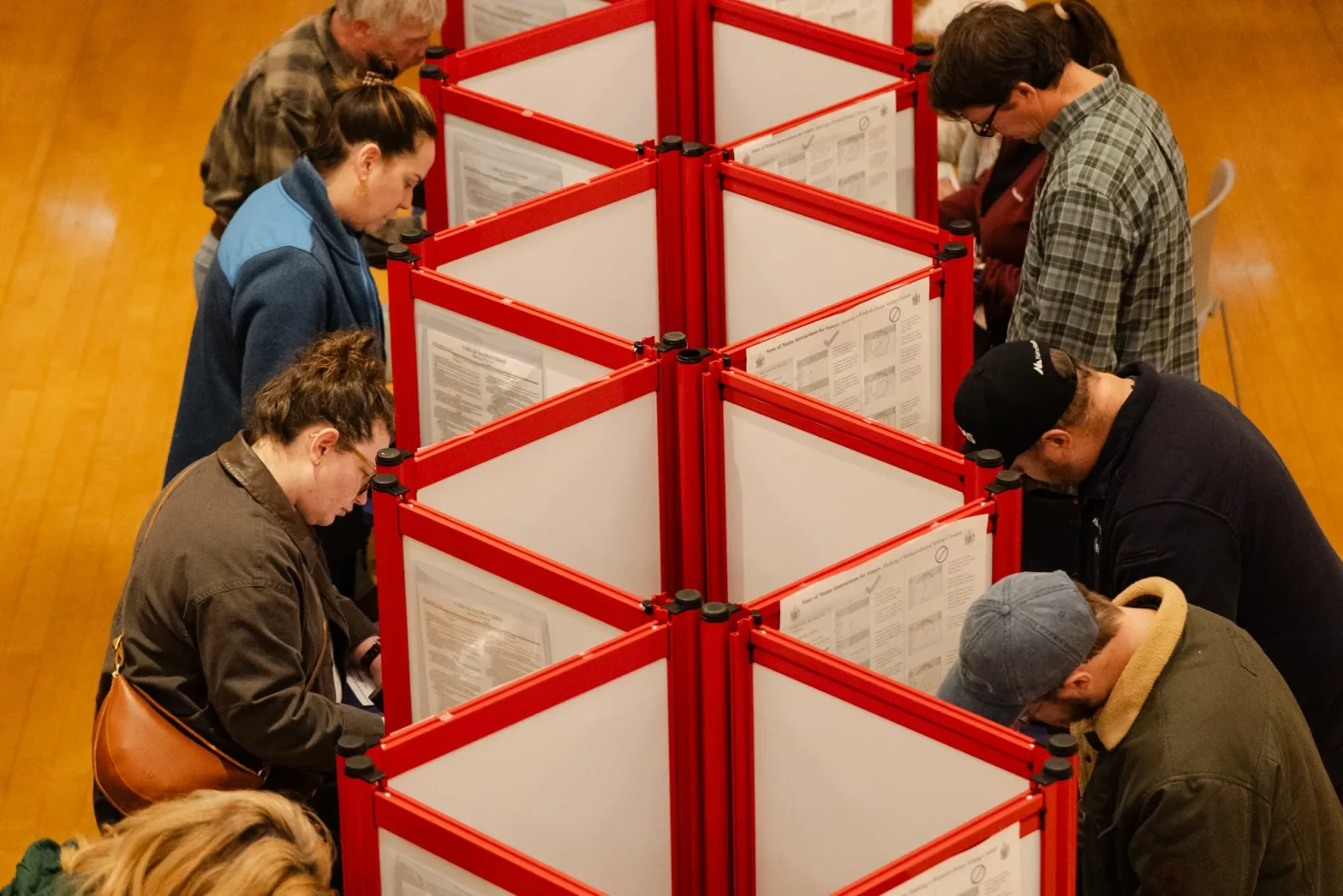
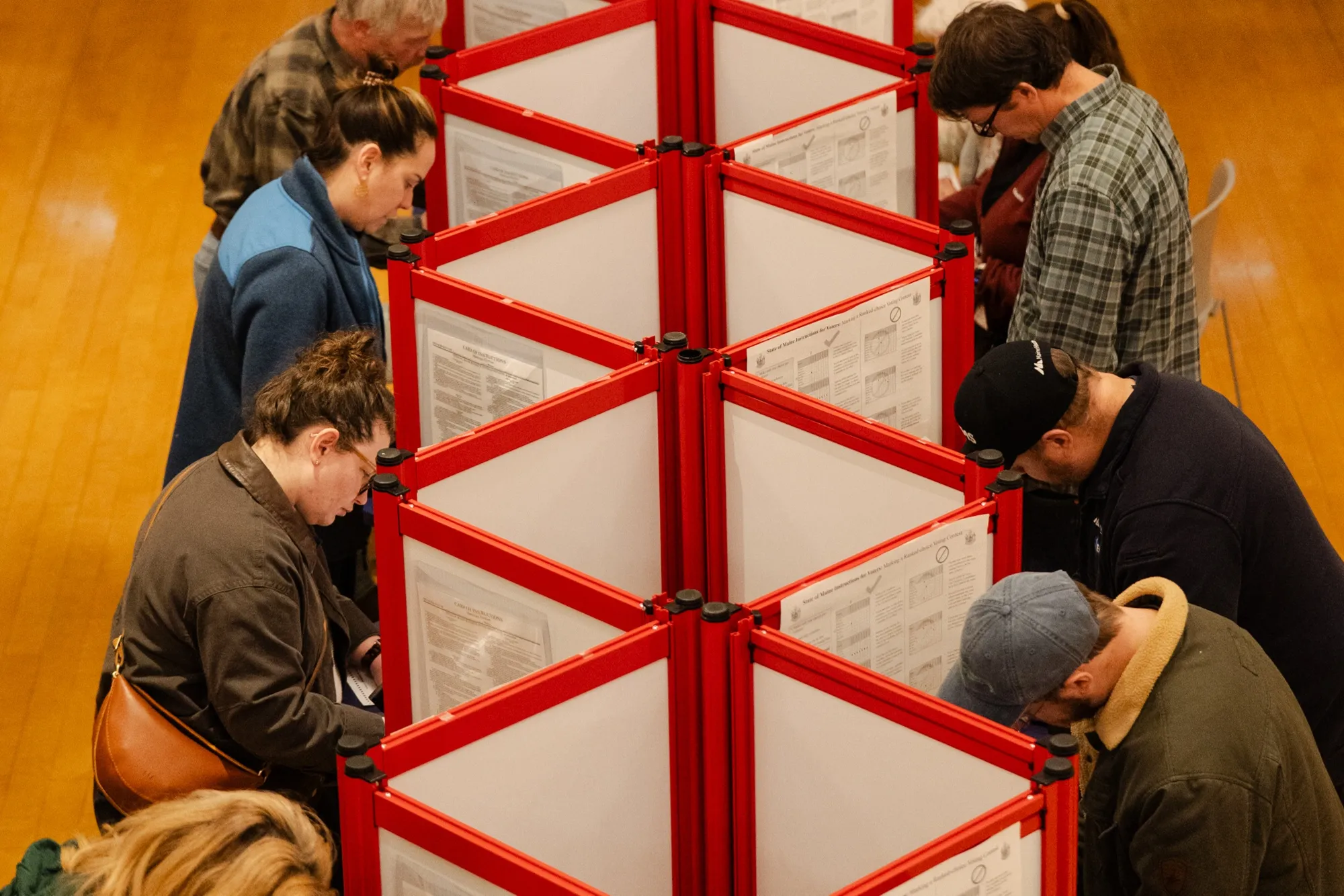
American voters are heading to the polls in an election that will serve as a referendum on President Donald Trump’s second term. As polling stations prepare to open Tuesday morning, tens of millions of ballots have already been cast through early voting. Voters have pointed to persistent cost-of-living pressures, a spike in fuel prices following the start of the Iran war, and uncertainty about jobs and the broader economy as artificial intelligence reshapes the workplace.
Democrats are widely expected to win control of the House of Representatives. Polls over the past several months have shown the party with a sufficient advantage among voters to overcome some of the obstacles created by Republican-led redistricting efforts. The Senate contest is less settled. A Democratic takeover, considered a long shot only months ago, has become a genuine possibility as Republicans find themselves defending seats in states that have traditionally been considered safe, including Kansas, Texas, Alaska and South Carolina.
Control of even one chamber of Congress would significantly change the political landscape for the remainder of Trump’s presidency. For nearly two years, a largely Republican-aligned Congress has advanced the president’s agenda, confirming controversial Cabinet nominees and passing his signature tax-cut legislation. Lawmakers have also done little to constrain his tariff policies or military operations against Iran. Democrats have said that if they regain control of congressional oversight committees, they will investigate Trump and his allies, both inside and outside the federal government.
Trump has responded by relying on his personal appeal to the Make America Great Again base and trying to win over independents dissatisfied with the political establishment. The strategy comes as his approval rating stands near a low point.
Speaking in Iowa over the weekend, he urged voters to treat the midterms as a direct judgment on his presidency, repeating a line he has used throughout the campaign: “Pretend I’m on the ballot.”
Bloomberg – Binance Outflows Reach $4.7 Billion After North Korea Hack
______
2. Apple Delivers Mixed Outlook as Margin Pressure Overshadows Sales Growth
Apple Inc. gave investors a mixed picture in its first quarterly report under new Chief Executive Officer John Ternus. While the company forecast stronger-than-expected sales for the holiday season, pressure on profit margins and supply constraints are emerging as challenges to its growth plans.
Apple expects revenue to rise 7% to 10% in the December quarter, which includes the holiday shopping season. That forecast is above Wall Street’s estimate of 6.1%. But the company cautioned that gross margins would come in below analysts’ expectations, while limited supplies of certain components could make it harder to meet demand for its latest products.
Ternus, who took over as CEO last month, is also stepping into the role at a time when investor expectations are particularly high. Apple’s shares have rallied in recent months, partly because investors have viewed the company as a relative safe haven amid turbulence in the artificial intelligence sector. The gains added roughly $1 trillion to its market value. Yet the latest results failed to satisfy the market: Apple shares fell about 5.1% in extended trading. Bloomberg Intelligence analysts Anurag Rana and Josh Christensen said in a note that deteriorating product gross margins remain a key near-term concern.
For the fiscal fourth quarter ended Sept. 26, revenue climbed 12% to $114.5 billion, topping the average analyst estimate of $113.5 billion. However, growth slowed from 16% in the previous quarter. Sales at the iPad, China and wearables businesses disappointed, while the iPhone — Apple’s largest source of revenue — continued to perform well.
The outlook for profitability was less encouraging. Apple expects gross margin, which measures the share of sales left after production costs, to range from 45% to 46% in the December quarter. That compares with analysts’ estimate of 47% and a level above 50% in the June quarter. The company cited higher memory costs and expenses associated with its new Siri AI digital assistant as factors weighing on margins.
The results highlight the balancing act facing Apple’s new chief executive. The company is entering a major selling season with a positive revenue outlook, but rising costs and constrained supply could limit how much of that demand translates into profit. With investor expectations elevated after the recent rally, Ternus will need to demonstrate that Apple can sustain growth without allowing profitability to deteriorate further.

Bloomberg – Apple’s Narrowing Margins Overshadow Upbeat Holiday Forecast
______
3. US Job Openings Rise to Four-Month High
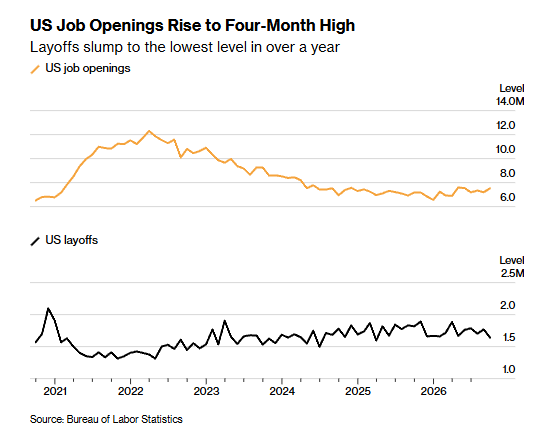
The US labor market showed signs of strengthening in September, with job openings unexpectedly climbing to a four-month high and layoffs falling to their lowest level in more than a year. The figures suggest employers were seeking more workers as the economy entered the fourth quarter.
Job openings increased by 333,000 to 7.52 million, up from a revised 7.19 million in August, according to data released Tuesday by the Bureau of Labor Statistics. The figure exceeded every estimate in a Bloomberg survey of economists.
Other measures of labor-market activity also pointed to improvement. Layoffs fell to their lowest level since March 2025, while the number of workers voluntarily leaving their jobs increased. The so-called quits rate, which tracks the share of employees who resign each month, rose to 2.1%, its highest level in more than a year. A rising quits rate can indicate that workers are becoming more confident about their ability to find other jobs.
The stronger readings are encouraging, but economists caution that a sustained increase over several months would be needed to establish that the labor market is moving into a stronger phase. For much of the past year, many employers have been reluctant to expand their workforces or reduce headcount amid elevated prices and geopolitical uncertainty. With economic growth accelerating and consumer spending holding up, however, businesses may be gaining confidence to add employees.
“For now, all signs point to a solid labor market, even if it is difficult for pockets of workers – namely those who are unemployed,” Matthew Martin, senior US economist at Oxford Economics, said in a note.
The increase in vacancies was spread across several industries, including professional and business services, state and local government, manufacturing, trade and transportation, and construction. Manufacturing job openings reached their highest level since late 2023, potentially reflecting a surge in business investment.
Bloomberg – US Job Openings Jump to Four-Month High, Layoffs Decline
______
4. US and Iran Review New Mediated Proposals
Washington and Tehran are reviewing fresh proposals from mediators aimed at resolving their differences and preventing a return to full-scale war, according to a diplomat briefed on the discussions. The diplomatic effort comes after limited US airstrikes on Iranian targets overnight, adding to tensions between the two countries.
Qatari mediators traveled to Tehran on Monday for further talks with Iranian officials, the diplomat said, asking not to be identified because the discussions are sensitive. The meetings in the Iranian capital were positive, the diplomat added, and Qatar expects to receive responses from both sides within two days. A spokesperson for Qatar’s foreign ministry later confirmed that deliberations between the two sides were continuing.
The diplomatic activity followed comments by President Donald Trump, who told Fox News on Tuesday that US forces had struck several Iranian targets overnight. He played down the scale of the operation, describing it as “just a minor attack, it wasn’t war.”
Iranian officials, meanwhile, said Tehran had already responded to Washington but warned that further escalation remained possible. Mohammad Bagher Ghalibaf, Iran’s parliament speaker and a senior negotiator with the US, said Tehran had delivered a “strong and rational response to the American side,” according to Iran’s Fars news agency. “The ball is now in America’s court to prevent a war,” he said, while reiterating that Iran was prepared to retaliate forcefully against any US or Israeli attacks.
Iran’s national security chief, Mohsen Rezaee, struck a less conciliatory tone, writing on X that the US response to Iran’s demands had so far been “not satisfactory.” The comments underscore that, despite ongoing diplomatic contacts, the two sides have yet to resolve their core disagreements.

Bloomberg – US, Iran Pursue Diplomacy Despite Limited American Strikes
______
5. Disney Weighs Thousands of Job Cuts
Walt Disney Co. is moving toward another round of significant cost reductions, with some managers being asked to identify ways to cut annual expenses by about 20%, according to people familiar with the discussions. The effort could result in thousands of job eliminations, alongside reductions in other operating costs.
The discussions are private, the people said, asking not to be identified. The impact is expected to vary across the company, with some businesses — including theme parks, television networks and the film studio — facing disproportionately large reductions.
Chief Executive Officer Josh D’Amaro plans to redirect part of the savings into areas the company considers important for future growth, including film and television programming, technology, theme parks and cruise ships, according to the people. Disney has pledged to deliver double-digit growth in adjusted earnings per share in the current fiscal year. A company representative declined to comment on the latest cost-cutting plans.
The move follows several years of restructuring at Disney, during which the company has eliminated thousands of positions and taken billions of dollars out of its cost base. Previous reductions have affected nearly every major division, including ABC, Pixar, ESPN, the film studio and the experiences business. Disney employed about 231,000 people worldwide at the end of its most recent fiscal year.
The latest effort also comes as the company continues to reassess its traditional television operations. The Wall Street Journal reported on Oct. 1 that Disney was planning a restructuring of its TV division, along with job cuts in its legal and global affairs unit.

Bloomberg – Disney Plans Thousands of Layoffs, Targeting 20% Cost Savings
______
6. Starbucks Drops Impossible Sausage Sandwich
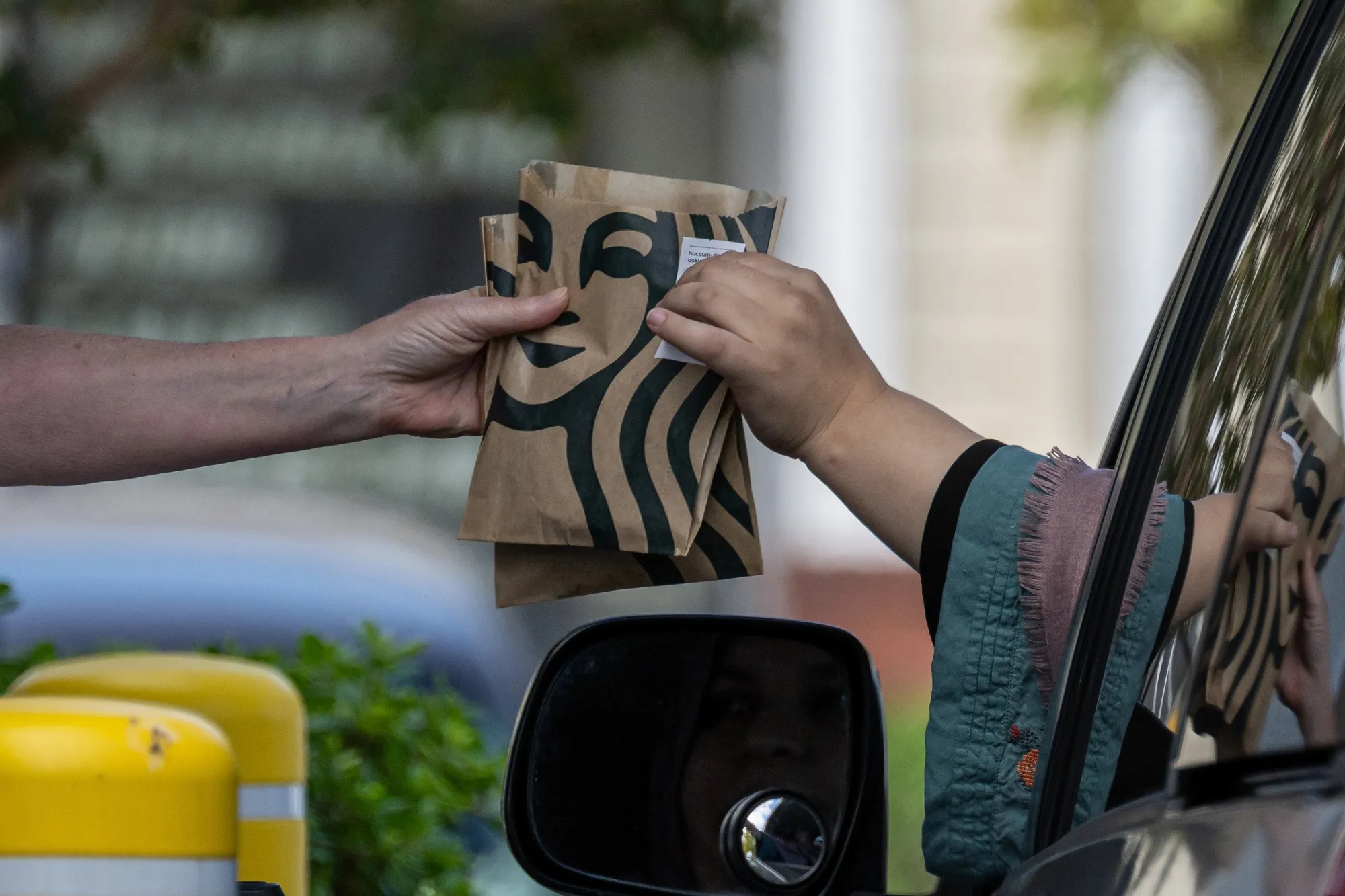
Starbucks Corp. is removing its breakfast sandwich made with Impossible Foods Inc.’s plant-based sausage from its US menu, adding to a growing list of restaurant chains scaling back their offerings of meat alternatives.
The Impossible Breakfast Sandwich, first introduced in 2020, will be phased out this month. It was the only item featuring plant-based meat on Starbucks’ advertised US menu. The coffee chain will continue to offer other meat-free options, including a sandwich with egg, pesto and mozzarella.
In an emailed statement, Starbucks said that although it no longer sells the Impossible sandwich, baristas can recommend other sandwich options. The company added that it regularly reviews its menu and evaluates products against various criteria to ensure they meet both customer needs and business objectives.
Impossible Foods said it was proud of its partnership with Starbucks, which lasted more than six years, and remained committed to making plant-based meat that is both appealing and nutrient-dense more widely available.
The decision is another setback for an industry that has struggled to maintain consumer interest. Restaurants have increasingly removed plant-based meat products from their menus as sales have fallen short of expectations. Although these products are designed to replicate the taste and texture of conventional meat, they have not consistently attracted enough customers to justify their place on restaurant menus.
Growing skepticism toward highly processed foods has added to the challenge. Some consumers have become more cautious about products with lengthy ingredient lists, including certain plant-based meat alternatives.
The category still has a consumer base, particularly in grocery stores, even as restaurant demand weakens. Impossible Foods expanded its retail presence in the UK in late September by launching products in Tesco supermarkets.
Bloomberg – Starbucks to Phase Out Impossible Breakfast Sandwich
______
7. Trump Agreed to End $4 Billion in Annual US Aid to Israel
American households that rely primarily on heating oil are facing significantly higher energy costs this winter. The US Energy Information Administration (EIA) expects heating bills for these households to rise about 21% from last winter.
The forecast adds to the energy-cost pressures facing the Trump administration. With the midterm elections just four weeks away, Republicans are expected to face voter dissatisfaction over higher gasoline, electricity and other energy costs.
Heating oil prices are closely linked to diesel, which has surged as the US-Iran war and Ukrainian drone strikes on Russian refineries have tightened fuel supplies.
The EIA expects heating oil prices across the US to rise about 30% this winter from a year earlier. However, milder weather in the Northeast is expected to partially offset the impact on household bills, as homeowners may consume less fuel.
About 3% of US households primarily rely on heating oil, with the vast majority located in the Northeast. Maine has the highest share of heating-oil-dependent households in the country. As of Sept. 28, heating oil prices in the state stood at $5.96 per gallon, nearly 80% above the level a year earlier.
The EIA also raised its forecast for crude oil prices. It now expects Brent crude to average $105 a barrel in the fourth quarter, $14 higher than its previous estimate. US retail diesel prices are expected to remain above $6 a gallon through October before falling toward $4.50 a gallon next year.
On the supply side, the agency expects Middle Eastern oil production and exports to gradually recover. Increased shipments through the Strait of Hormuz, combined with alternative transportation routes and other supply workarounds, could eventually ease pressure on global oil markets.
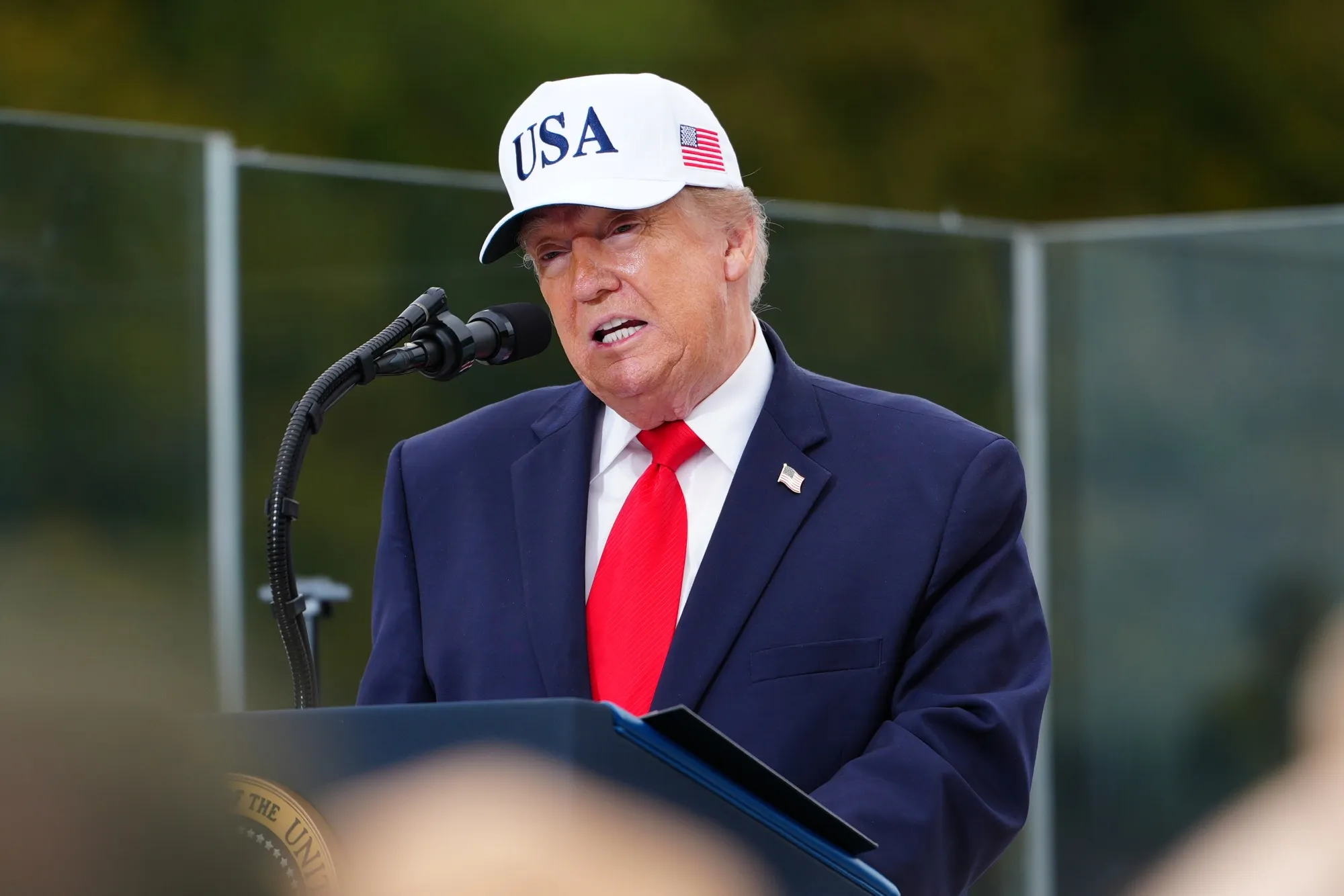
Bloomberg – Trump Says US to Cut $4 Billion in Aid to Israel This Year
______