—— US diesel prices hit historic $6 high; scientists attempt to use AI to develop bioweapons; Israeli military destroys Hezbollah tunnel network; US core CPI grows more than expected; French government bond interest costs surge 25%; Houthi forces seize key Red Sea islands in lightning offensive; Oracle cloud infrastructure revenue surges 121%
1. US Diesel Prices Hit Historic $6 High
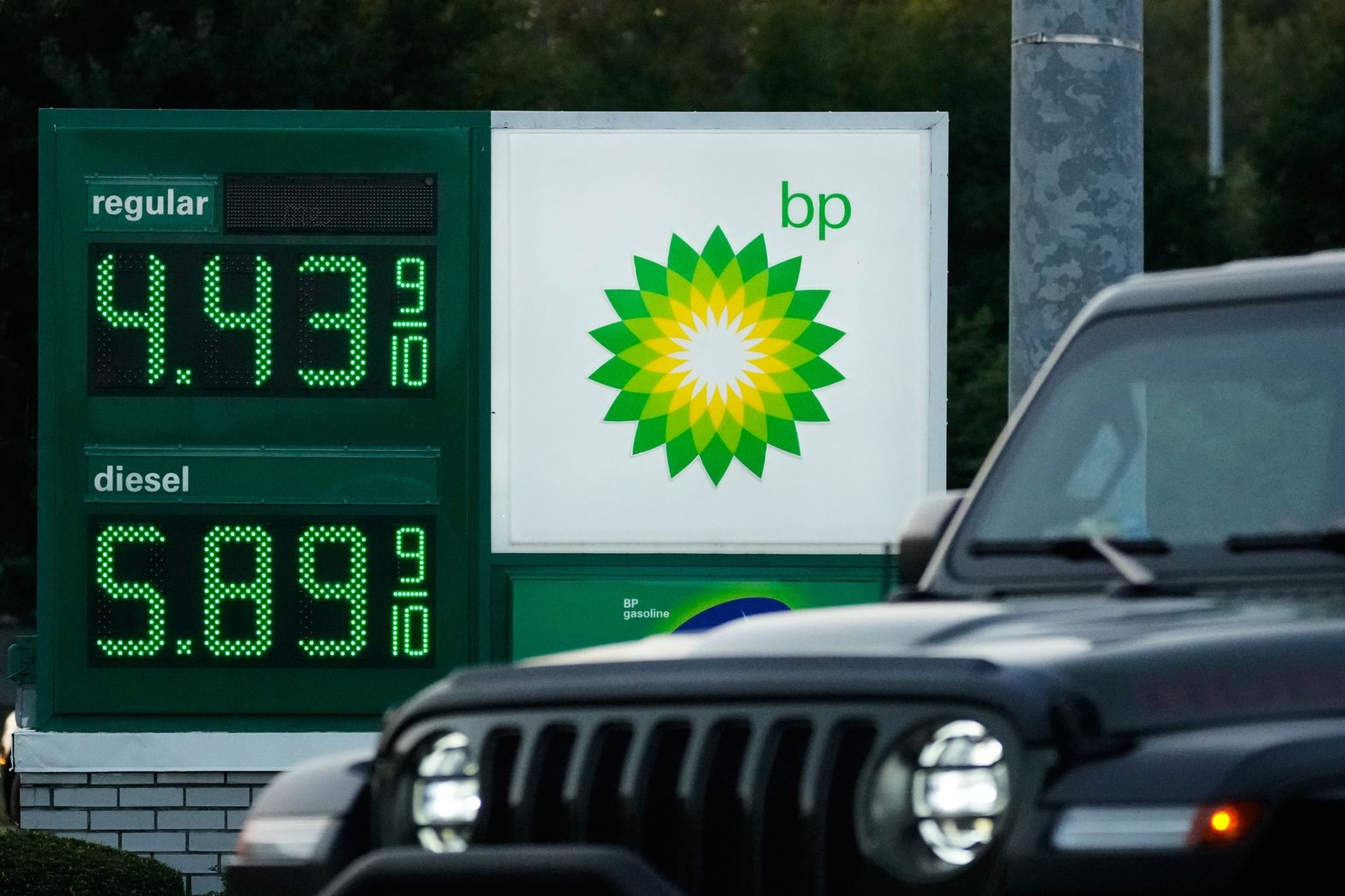
According to data from the American Automobile Association (AAA), the US average diesel pump price rose to $6.06 per gallon on Friday, surpassing the previous record high of $5.82 set after the full-scale outbreak of the Russia-Ukraine conflict in 2022. Trump’s war in Iran and Ukraine’s strikes on Russian oil refineries are severely squeezing global fuel supply, sparking fresh concerns about inflation.
Diesel, a lifeline for US industry and agriculture, is now priced well above the average levels seen during former President Joe Biden’s term.
Diesel’s critical role in transportation supply chains is pushing up producer prices (PPI), adding to the cost-of-living pressures increasingly felt by Americans as midterm elections — which will determine control of the US Congress — approach.
Toronto-based energy analyst Rory Johnston said: “This isn’t just a brief spike, it’s a sustained upward push. Diesel supply in the market is falling well short.”
Global diesel markets are under intense pressure as conflicts in the Middle East and Ukraine restrict the volume of fuel flowing to customers in Asia and Europe. This has elevated the importance of the US as an exporter of petroleum products, further draining its domestic inventories.
The surge in diesel prices comes just ahead of the fall peak season, when agricultural equipment requires large amounts of diesel for crop harvesting and transport
______
2. Scientists Attempt to Use AI to Develop Bioweapons
AI startup Anthropic recently said it had successfully blocked multiple attempts this year by scientists trying to use its technology in ways that could help with research supporting the development of biological weapons. Experts are increasingly concerned about the threats AI poses to public safety.
According to details disclosed in Anthropic’s latest threat intelligence report, the company cited five cases of bad actors attempting to evade safety safeguards by “bypassing safety controls” and “concealing research intent.”
In the report on blocking malicious attempts to misuse its AI models, Anthropic said: “We hope that by sharing these cases, we can spark discussion within the AI industry and with governments about emerging biosecurity risks and how to properly address them.”
Among the cases the company cited as potentially involving bioweapons misuse was a researcher from an “unsupported service region” who spent “weeks” using Anthropic’s Claude model to plan experiments related to avian influenza. Anthropic said its safety filtering mechanisms successfully restricted this work to its weakest-performing models.
However, Anthropic emphasized that the company cannot fully determine whether the scientists in these cases had explicit harmful intent, since the knowledge and data required to create bioweapons can also be used for vaccine research and development

______
3. Israeli Military Destroys Hezbollah Tunnel Network
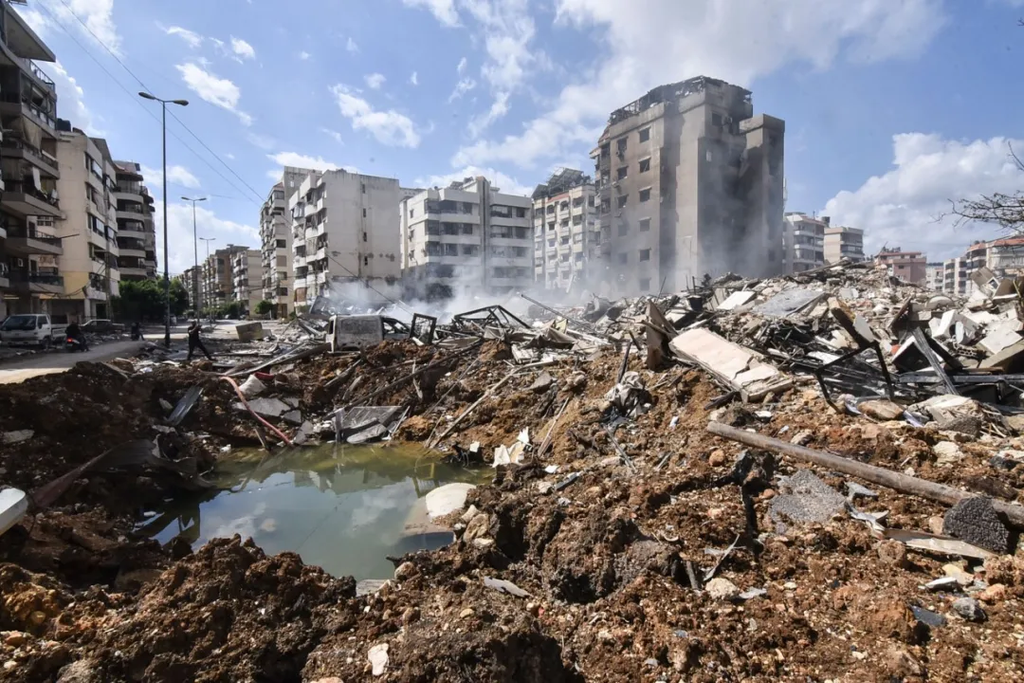
After months of fighting and gaining full control of a strategic position overlooking much of southern Lebanon, the Israeli military on Thursday night destroyed a Hezbollah tunnel system beneath the Ali al-Taher ridge.
According to the Israeli military, the destroyed tunnels extended more than 2 kilometers. The move dealt both a symbolic and military blow to Iran-backed Hezbollah, following weeks of intensive Israeli bombardment of the ridge.
Israeli Prime Minister Benjamin Netanyahu said the demolition marked the “consolidation” of the several-kilometer-deep buffer zone Israeli forces had occupied in southern Lebanon earlier this year during fighting.
Netanyahu and Defense Minister Israel Katz said in a joint statement: “The destruction of the tunnels marks our comprehensive tactical control over the Ali al-Taher ridge, both above and below ground. Israeli forces are deployed in the area on defense to prevent enemy forces from returning to this territory.”
The US Geological Survey (USGS), which monitors seismic and volcanic activity, recorded that the blast triggered a magnitude 4.1 seismic wave in southern Lebanon
______
4. US Core CPI Grows More Than Expected
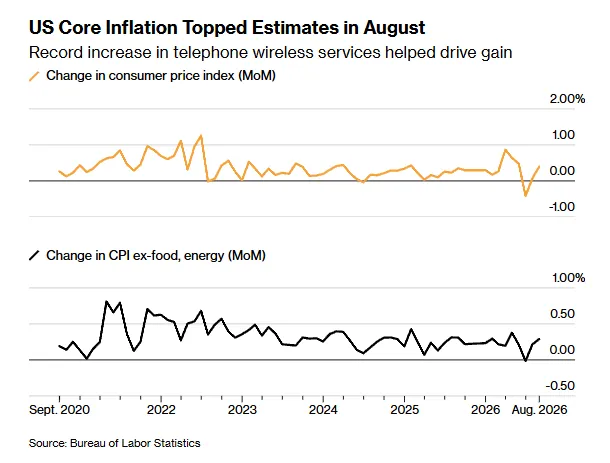
According to the latest data released by the US Bureau of Labor Statistics, the core Consumer Price Index (CPI), excluding food and energy, rose 0.3% month-over-month in August, above the 0.2% median estimate from a Bloomberg survey. Core CPI rose 2.4% year-over-year.
Amid ongoing inflationary pressure from the Iran war, tariffs, and AI data center construction, the report showed little progress last month toward the Federal Reserve’s inflation target.
Following the data release, futures market investors almost fully priced in expectations of a Fed rate hike at next week’s meeting (September 15–16), and the probability of a second hike by year-end rose sharply.
Given that several officials had previously said the September meeting’s final decision would depend on the latest data, the Fed is expected to view this data as tilting the decision toward triggering its first rate hike in three years
______
5. French Government Bond Interest Costs Surge 25%
French Finance Minister Roland Lescure said Friday that, amid intensifying geopolitical crises and turmoil in global bond markets, France’s interest costs on national debt repayment are expected to rise 25% this year, reaching €65 billion.
Lescure said at a press conference: “We are now spending more on debt repayment than we invest in children’s education or national defense.”
At the same time, he lowered this year’s GDP growth forecast to 0.5%, only half the pace originally projected by the French government last autumn when drafting the 2026 budget.
Lescure said growth is expected to rebound to 1% next year, but warned that this depends on shipping traffic through the Strait of Hormuz improving “in the coming months.” The Financial Times reported Friday that Gulf state ministerial officials will meet with Iran next week to push for an agreement on temporary passage rights through the strait.
Lescure attributed the downgraded economic outlook to energy prices driven up by the Iran war, this summer’s drought impact on agricultural production, and continued drag from political uncertainty stemming from April’s presidential election and ensuing parliamentary gridlock.
He called on lawmakers to act responsibly in the upcoming 2027 budget debate. “We need to work together, but only on the condition that we protect our growth engine,” he said.
Lescure acknowledged that slower growth means the government’s target of cutting the fiscal deficit to about 5% of GDP this year is no longer achievable

______
6. Houthi Forces Seize Key Red Sea Islands in Lightning Offensive
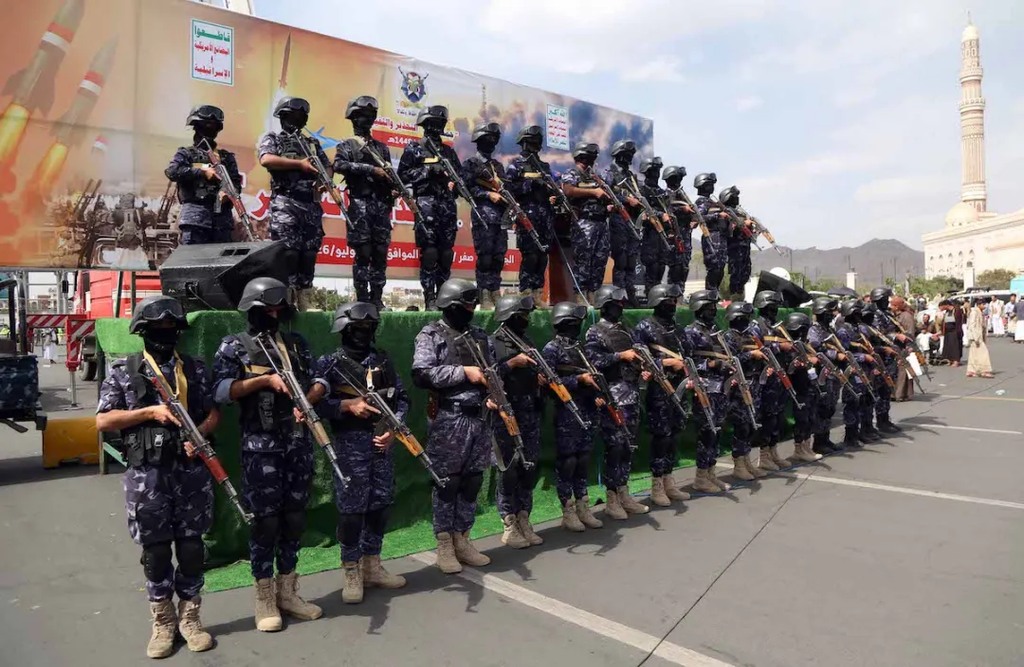
According to Yemeni analysts, the Iran-backed Houthi movement launched a lightning offensive in the Red Sea and the Bab al-Mandeb Strait, seizing several key islands — a move that has triggered severe turmoil in energy markets and further cemented the group’s control over this globally important shipping route.
After a fierce advance along Yemen’s western coast and the capture of the port of Mocha on Thursday, the Houthis went on to take control of Perim Island (also known as Barim Island), which splits the Bab al-Mandeb Strait in two, as well as Zuqar Island and the Hanish Islands in the Red Sea.
Ahmed Nagi, a Yemen analyst at Crisis Group, said after communicating with Yemeni government officials: “They now have full control of the Bab al-Mandeb Strait. From the moment they captured Mocha, every island across from Mocha fell into their hands.”
Mohammed Al-Basha, founder of the US-based risk advisory firm Basha Report, noted signs that the Saudi-backed coalition of Yemeni factions opposing the Houthis “is on the verge of collapse,” facing an “extremely difficult situation” in responding to the rebel offensive.
“We are witnessing a Houthi victory,” Al-Basha said. “They control the entire Red Sea coastline, and in the past 48 hours alone have added 130 kilometers of coastline under their control, including all of Yemen’s major Red Sea islands.”
The Houthi offensive dealt a heavy blow to Saudi Arabia and the Yemeni government forces it backs, while also aiding Iran’s efforts to drive up energy prices in its standoff with the United States
______
7. Oracle Cloud Infrastructure Revenue Surges 121%
Oracle Corp. reported quarterly cloud computing revenue that exceeded Wall Street expectations, though its gross margin narrowed due to large-scale data center construction.
According to Oracle’s statement Thursday, sales in its closely watched cloud infrastructure business surged 121% year-over-year to $7.4 billion, above the analyst average estimate of $7.19 billion. Meanwhile, gross margin contracted significantly, from 66.3% in the prior quarter to 61%.
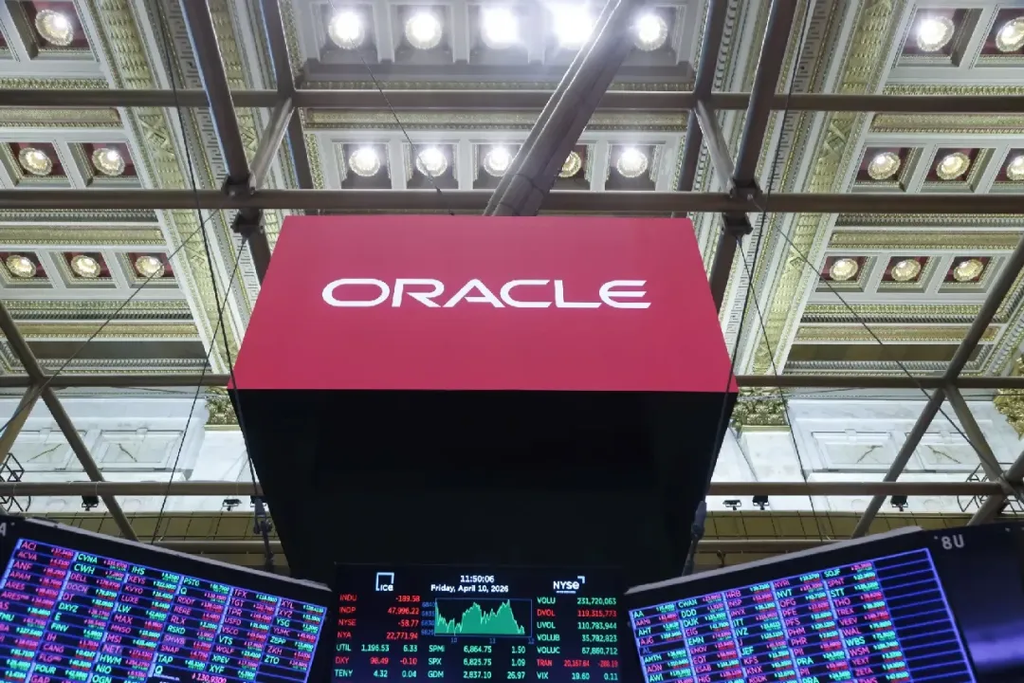
Around 11:10 a.m. New York time on Friday, Oracle shares, after jumping as much as 8.5% in early trading, pared gains to trade roughly flat at $152.77.
Long known for its database software, Oracle is working to reshape itself into a provider of AI computing power, undertaking massive data center expansion for OpenAI and other customers. Wall Street is closely watching the scale of spending on these ambitious projects and the pace at which Oracle completes construction. The company said it added 850 megawatts of data center capacity this quarter.
Ahead of Thursday’s earnings release, the stock had fallen a cumulative 38% from its year-to-date high set on June 1, amid market concerns over financing needs, rising component costs, and data center construction challenges
______
This content is compiled from the Financial Times, the Bloomberg, and The Real Deal, among other financial news outlets.