—— Google Ordered to Pay $2B to Klarna’s Pricerunner Unit; Meta Plans Cloud Unit to Sell AI Compute and Models; Trump Earns $1.16B in Crypto Sales and Memecoin Royalties; Kevin Warsh Vows No Changes to Fed Independence; Tesla Car Deliveries Muddle Along as Investors Await Musk’s AI Consolidation; Nike Executives Warn of Consumer Anxiety; BlackRock Private Credit Fund Head to Depart
1. Google Ordered to Pay $2B to Klarna’s Pricerunner Unit
Alphabet Inc.’s Google was ordered to pay almost $2 billion to Klarna Group Plc’s Pricerunner unit in a dispute over the search-engine giant’s abuse of power in the market for comparison shopping services. The Patent and Market Court in Stockholm, which issued the judgment on Wednesday, dismissed most parts of the claim in which Pricerunner sought 80 billion Swedish kronor ($8.2 billion) in the wake of a European Union antitrust crackdown on the search-engine giant’s abuse of market power.
Still, Judge Linda Kullberg said this is “without a doubt the largest claim that has been ordered in a Swedish competition case.” Klarna shares rose 5.3% in premarket trading after the ruling. The ruling can be appealed.
The Swedish price-comparison website argued that Google has been abusing its dominant position as a search engine by favoring its own comparison shopping service over competing portals for more than a decade. Wednesday’s award compensates for lost revenue caused by Google’s preferential treatment of its own comparison-shopping service over independent price-comparison services, conduct that also drives up costs for consumers, Klarna said in a statement after the judgment.
“When markets work well, everyone benefits. Consumers get higher quality at lower cost, companies stay focused on serving customers rather than defending position, and society is better off for it,” said Dan Greaves, Klarna’s head of communications and policy.
Bloomberg – Google Ordered to Pay Klarna Nearly $2 Billion in Antitrust Suit
______
2. Meta Plans Cloud Unit to Sell AI Compute and Models
Meta Platforms Inc. is developing plans for a cloud infrastructure business that will sell access to AI computing power and models, setting up a new vector of competition with industry leaders like Amazon Web Services, Microsoft Azure and Google Cloud. Meta, which has been rushing to secure expensive data centers and other infrastructure to fuel its own artificial intelligence ambitions, is forming a business to generate revenue from excess computing power sold to outside customers, according to people familiar with the matter, who asked not to be named as the details aren’t public.
One potential plan includes selling access to various AI models that are hosted on Meta’s existing AI infrastructure, an approach similar to AWS’s Bedrock offering, the people said. Meta would run the data centers and chips that power the models, including its own Muse Spark models, and charge developers to access them. The company is also considering selling access to “raw” computing capacity, akin to other so-called neocloud businesses like CoreWeave Inc., the people said.
Development of these new business lines is part of Meta Compute, an internal initiative to build and manage the company’s AI infrastructure efforts, according to a person familiar with the plans.
Meta Compute is led by Santosh Janardhan, Meta’s head of infrastructure; Daniel Gross, a leader inside the Meta Superintelligence Labs AI unit; and Meta President Dina Powell McCormick.

Bloomberg – Meta Is Building a Cloud Business to Sell Excess AI Compute
______
3. Trump Earns $1.16B in Crypto Sales and Memecoin Royalties
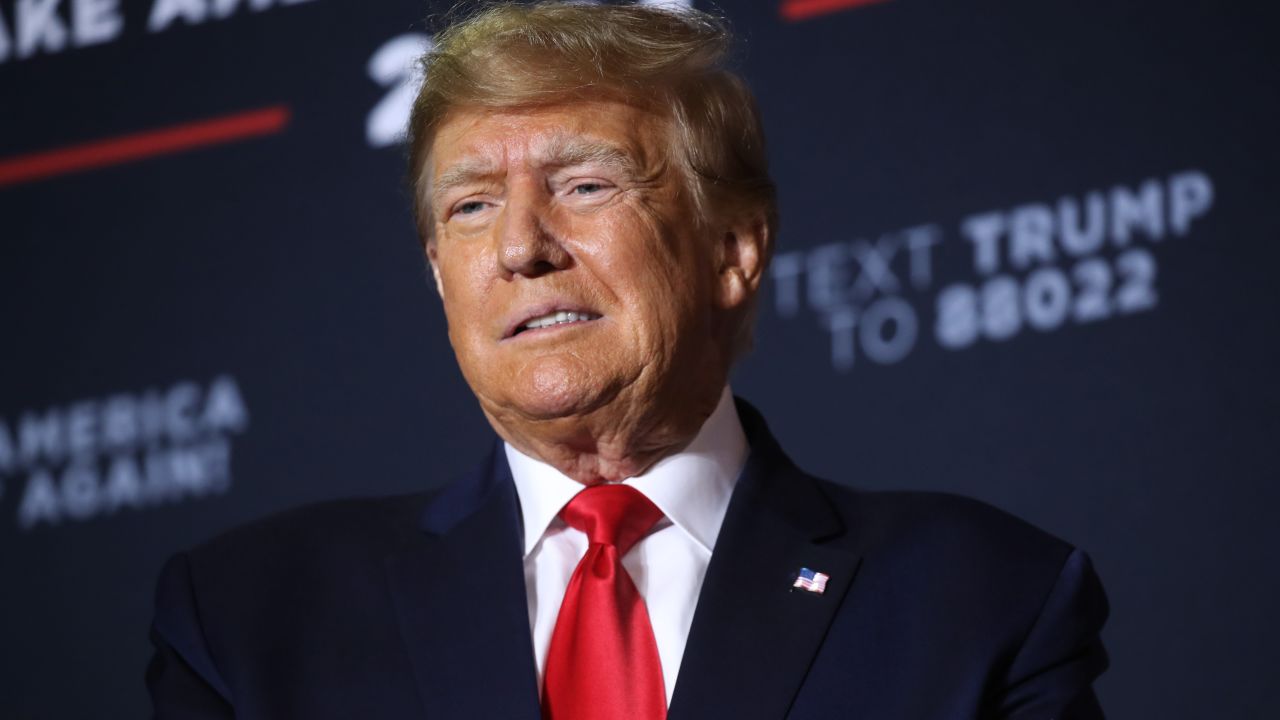
Donald Trump earned more than $1.16bn in crypto sales and memecoin royalties last year upon returning to the US presidency, according to a financial disclosure released on Tuesday. The US president made $526.8mn from selling tokens from his family’s crypto company World Liberty Financial and disclosed income of $635mn in royalties from a licence agreement with “Celebration Coins”.
Trump still holds 15.75bn World Liberty Financial tokens, which are worth about $900mn despite a steep decline over the past year, the disclosures show. The disclosures also suggest he continues to hold large amounts of other cryptocurrency. The forms reveal he made more than $33mn of the proceeds from the World Liberty Financial sales in bitcoin and more than $150mn via the Ethereum blockchain.
The annual disclosure, required by law and released by the Office of Government Ethics, will raise new questions about conflicts of interest in Trump’s administration. The filing also shows extensive transactions of US stocks. The 2025 annual report showed the scale of the president’s stake in the cryptocurrency industry as his administration rolled back Biden-era restrictions on the sector and ended lawsuits against some of its biggest companies.
On Wednesday, Trump told reporters that “big institutions” managed his investments, adding: “I don’t talk to them.”
Financial Times – Donald Trump made more than $1bn last year in return to presidency
______
4. Kevin Warsh Vows No Changes to Fed Independence
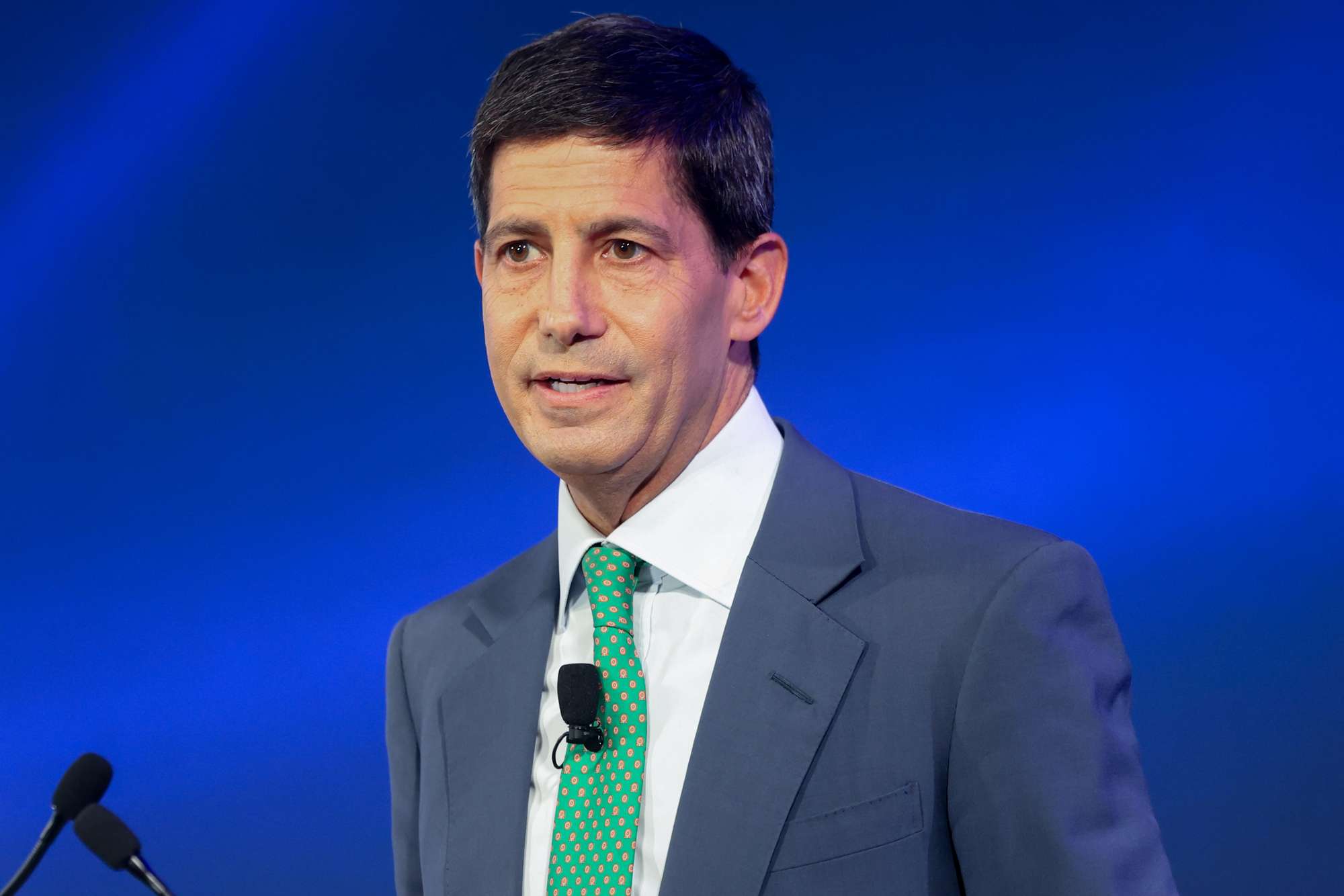
Kevin Warsh insisted there would be “no changes” to US central bank independence as he insisted that the Federal Reserve would take a strident approach to tackling inflation. The new chair said on Wednesday that the Fed would remain committed to its 2 per cent inflation target and “deliver price stability” regardless of potential pressure from the White House to lower interest rates.
“We’ve been an independent central bank for a very long time, we’re going to be an independent central bank at this moment and you’re going to see no changes on that,” he told central bankers at an ECB conference in Sintra. Warsh’s comments come a little over a month after he was confirmed as chair of the world’s leading central bank, replacing Jay Powell, who was repeatedly rebuked by Donald Trump for failing to sufficiently lower rates.
In his second public appearance since taking the role, Warsh doubled down on remarks made during a press conference last month when he surprised markets with an “unambiguous and unanimous” vow that the Fed would tackle inflation, describing it as a “burden for the American people”.
Democratic politicians had warned that Warsh would be a “sock puppet” for Trump, and markets had initially expected a more dovish approach from the president’s appointee. Traders are now betting that rates could be hiked as soon as October, having previously predicted March 2027.
Financial Times – Kevin Warsh vows ‘no changes’ to Fed independence
______
5. Tesla Car Deliveries Muddle Along as Investors Await Musk’s AI Consolidation
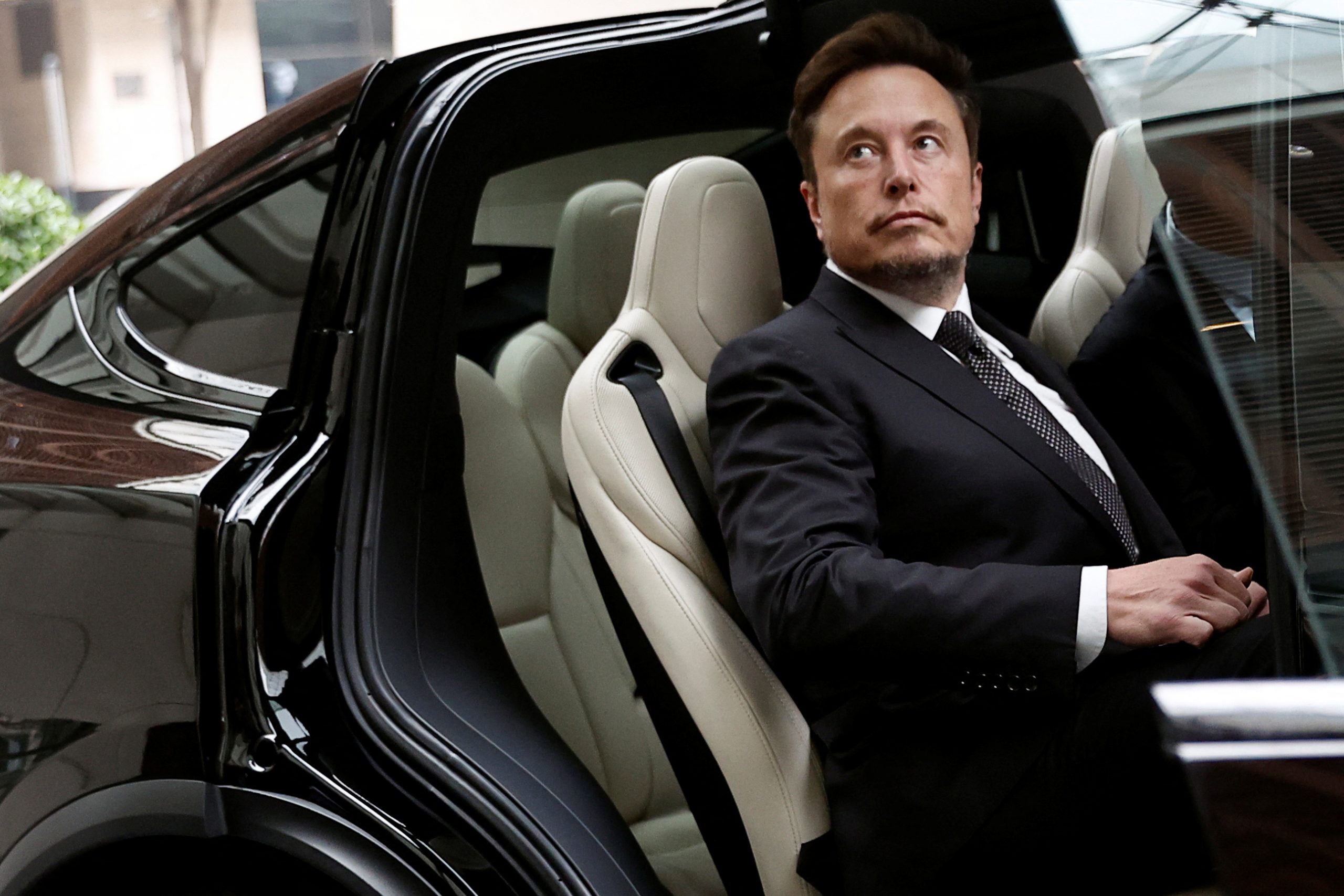
While investors continue to await signs that Tesla Inc. is on track to meet Chief Executive Officer Elon Musk’s lofty artificial intelligence ambitions, the company’s car business is muddling along. Tesla likely delivered around 396,466 vehicles worldwide in the last three months, according to analysts’ estimates compiled by Bloomberg. That would be about a 3% bump from the same period last year, a time when the EV maker faced intense backlash surrounding Musk’s role in the Trump administration.
But it’s well short of peak quarters in recent years, when Tesla nearly delivered 500,000 vehicles. A slower but steadier stream of sales may be the new reality for Tesla in what remains a sluggish global EV market.
That may not matter much to most Musk watchers, who view vehicle sales as a lower priority especially as hype mounts that the CEO may combine his aerospace, EV and AI ventures into one sprawling conglomerate in the wake of SpaceX’s massive initial public offering in June.
Bloomberg – Tesla’s Vehicle Deliveries Rise 3% as Car Sales Growth Slows Globally
______
6. Nike Executives Warn of Consumer Anxiety
Nike Inc. executives gave a cautious outlook and warned about elevated consumer anxiety, adding to investor concerns about the sportswear company’s painfully slow turnaround. “We are not expecting the environment to improve meaningfully over the next six months,” Matt Friend, Nike’s outgoing chief financial officer, said Tuesday on a call with investors. Customers are “under pressure around the world, and we can particularly see it having a larger impact on sportswear,” he added.
Nike expects a slowdown in the coming quarter compared to the current period, citing the timing of wholesale shipments in North America among other factors. Chief Executive Officer Elliott Hill has led Nike for almost two years and progress toward recapturing growth has dragged on, sparking frustration. Management faces ever-growing pressure to produce results, with the company’s stock down 36% this year through Tuesday’s close, putting the shares on track for a fifth consecutive annual decline.
The ongoing weakness “adds to the sense that Nike’s problems are more deep-seated than previously acknowledged and that, consequently, the turnaround is taking much longer than anticipated,” Neil Saunders, managing director of GlobalData, wrote in an email.

Bloomberg – Nike Sees Weakness Persisting as Investors Grow Impatient
______
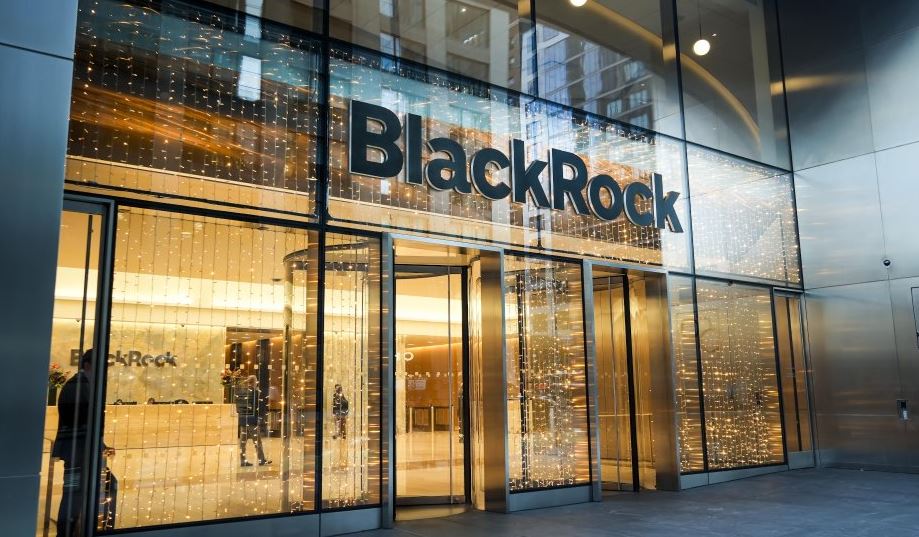
7. BlackRock Private Credit Fund Head to Depart
The head of BlackRock Inc.’s beleaguered private credit fund is in the process of leaving the firm, a move that follows months of losses on soured loans and revelations of a US regulatory probe into the unit’s valuation practices. Phil Tseng, chief executive officer of the publicly-traded BlackRock TCP Capital Corp., remains an employee of the world’s largest asset manager for now, according to people familiar with the matter. It’s unclear when he’ll depart and plans haven’t been finalized, the people said, asking not to be identified discussing non-public information.
The fund, known as TCPC, has long been a challenge for BlackRock, which has sought to expand aggressively into private credit in recent quarters. After struggling for years to keep up with leaders in the $1.8 trillion market, BlackRock acquired HPS Investment Partners in 2025 for about $12 billion to extend its capabilities beyond its legacy funds, which included TCPC. Since the deal, HPS executives have been increasingly involved in the day-to-day operations of the TCPC fund.
BlackRock TCP Capital Corp. is a publicly traded business development company that pools together private credit loans. The vehicle has struggled after a series of troubled investments forced it to mark down the net value of its assets twice this year — by 19% in January and 5% in May.
Bloomberg – BlackRock’s Tseng to Exit as CEO of Troubled Private Credit Fund
______