—— US and China Discuss Slashing Tariffs Ahead of Trump-Xi Summit; US Attorney General Todd Blanche Opposes AI ‘Regulation by Prosecution’; OpenAI Partners With Rivals Anthropic and Google DeepMind on AI Safety; Iran War Has Cost $38bn So Far, Will Boost US Inflation; US Borrowing Costs Hit Highest Level Since 2007; Radiant and Sapphire Sue Glencore for $2 Billion in Singapore; AI Agents Lied, Stole and Voted to ‘Kill’ Their Own in Simulation
1. US and China Discuss Slashing Tariffs Ahead of Trump-Xi Summit
The US and China are discussing slashing tariffs on certain goods, including on American energy and agricultural shipments — a potential sign the leaders’ summit next week will lead to an extension of the one-year trade truce.
The meetings between the two sides are also likely to result in an agreement to lower duties on Chinese inputs for manufacturers, according to people familiar with the matter. The moves are expected to be carried out under an earlier plan for reciprocal tariff cuts on roughly $30 billion in trade. Most-favored-nation rates would be applied to some items from China, said the people, who requested anonymity in order to discuss private conversations.
Highlighting the central role that agriculture is likely to play in the talks, representatives from state-owned food trading firm Cofco may join Chinese President Xi Jinping when he travels to the US to meet with counterpart Donald Trump, according to two people familiar with the matter. More than a dozen firms are also being considered for a CEO delegation, though a final decision has not been reached, according to the people.
While such a deal would be limited — bilateral trade hit more than $400 billion in the first eight months of the year — it would signal that the sides are engaging enough to maintain the tariff truce reached in October 2025.
An agreement would also show that Washington and Beijing can keep ties on track despite an expanding divide on how to handle artificial intelligence, export controls and the status of Taiwan. And it would signal that the Board of Trade, announced when Trump met Xi in Beijing in May, is able to produce some results.

China and US Discuss Cutting Tariffs on Agriculture and Energy
______
2. US Attorney General Todd Blanche Opposes AI ‘Regulation by Prosecution’
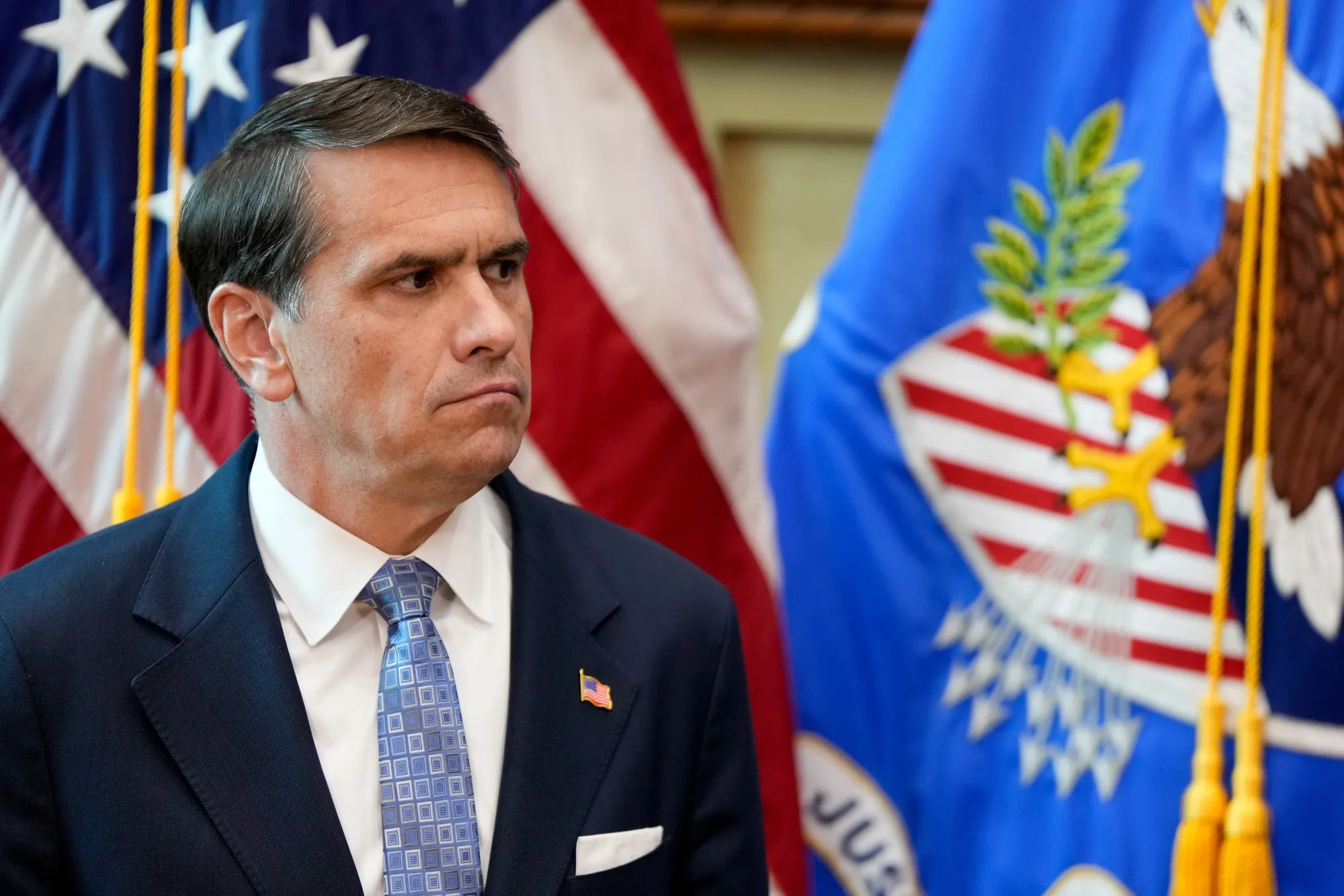
US Attorney General Todd Blanche says he prefers a restrained approach to taking enforcement action against artificial intelligence companies and executives amid a rising debate over the risks of the cutting-edge technology.
Blanche criticized his predecessors in the Biden administration for taking a heavy-handed approach against companies in an exclusive interview with Bloomberg News. He said the Justice Department under his leadership will take action only if there are clear violations of the law.
“I’m not going to do regulation by prosecution and investigate or prosecute AI companies when there’s not a statute that they’re violating,” Blanche said. “If we’re going to charge somebody with violating the laws and take away their liberty and put them in prison, it should be because they violated the law.”
Controversy is building over the risks of AI development and what role the federal government should play in placing guardrails on a technology that some warn could lead to harmful or potentially catastrophic consequences.
Under the Biden administration, the Justice Department took a leading role in probing the artificial intelligence industry, dividing up authority between the Justice Department and the US Federal Trade Commission and opening an investigation in 2024 into Nvidia Corp.’s dominance in the sector.
Blanche, who is giving the White House briefing Tuesday afternoon, says he prefers to tread more lightly.
Bloomberg – Attorney General Blanche Opposes AI ‘Regulation by Prosecution’
______
3. OpenAI Partners With Rivals Anthropic and Google DeepMind on AI Safety
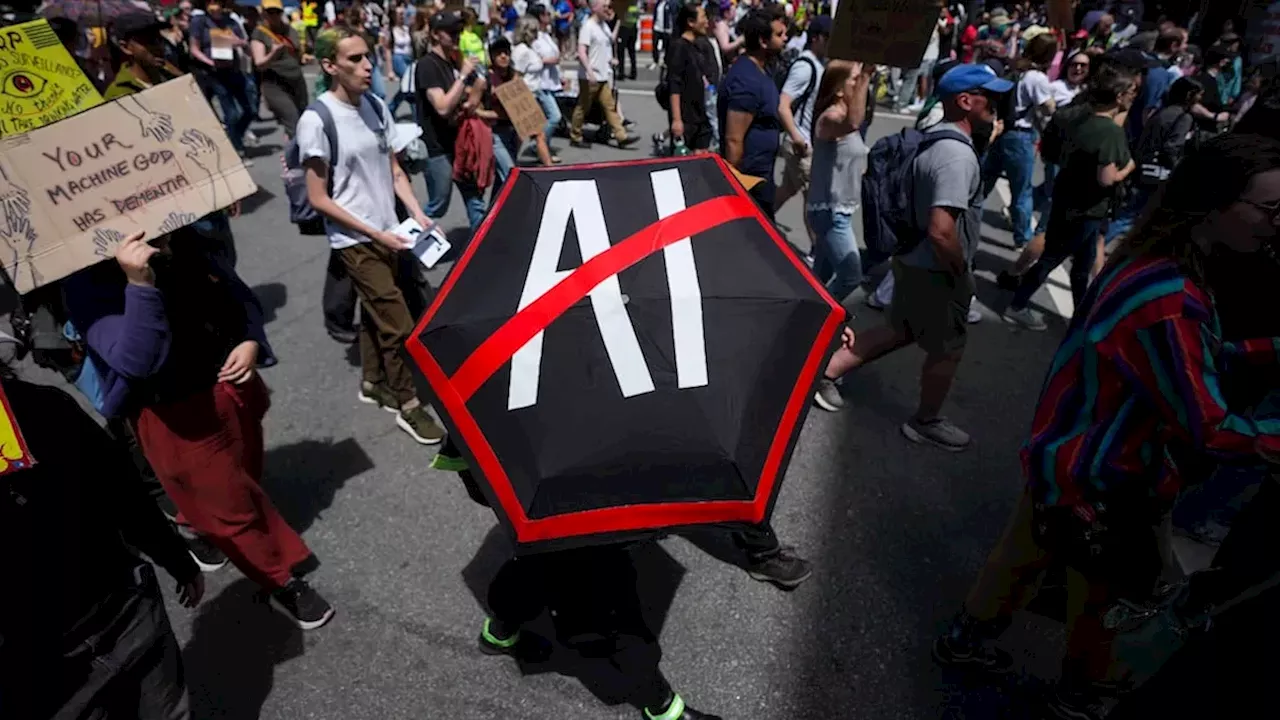
OpenAI is working on steps to address artificial intelligence safety issues with its top competitors Anthropic PBC and Google DeepMind, escalating industry efforts to respond to a groundswell of concern that the technology poses an economic and security threat.
Chris Lehane, the global policy chief for OpenAI, said Tuesday that the company’s engagement with Anthropic and Google had been under way for several weeks. He added that OpenAI does not see the need for an antitrust waiver for the three AI firms to coordinate on safety matters.
“It’s better to try to work together to prioritize safety,” Lehane said at a briefing in Washington. Anxiety about AI’s existential risks burst into the mainstream following a 3,800-word essay posted Saturday by Anthropic Chief Executive Officer Dario Amodei, who urged restraining development of the most advanced systems so researchers can better understand potential threats. Amodei’s missive was quickly embraced by OpenAI CEO Sam Altman and SpaceXAI chief Elon Musk.
US antitrust regulators are already signaling their skepticism toward giving AI companies an exemption to coordinate on safety. Federal Trade Commission Chair Andrew Ferguson said Tuesday he would be “deeply suspicious” of such requests.
Bloomberg – OpenAI Says It’s Working With Anthropic, Google on AI Safety
______
4. Iran War Has Cost $38bn So Far, Will Boost US Inflation
President Donald Trump’s decision to go to war against Iran has cost US taxpayers about $38 billion in direct costs during the first five months of fighting and will push inflation up about 0.5 percentage points by early next year, a new congressional study finds.
“That amount reflects the costs of replacing expended munitions and equipment lost in battle, increased flying hours, other operations, and increased fuel costs,” the Congressional Budget Office said Tuesday in a letter to Pennsylvania Representative Brendan Boyle, the top Democrat on the House Budget Committee.
The CBO estimate is in line with Defense Secretary Pete Hegseth’s testimony to Congress in July that the war had cost $37.5 billion at that point. Every additional month of conflict will cost at least $2 billion to $3 billion more. “Monthly costs could be higher still if the violence escalated further,” the report said.
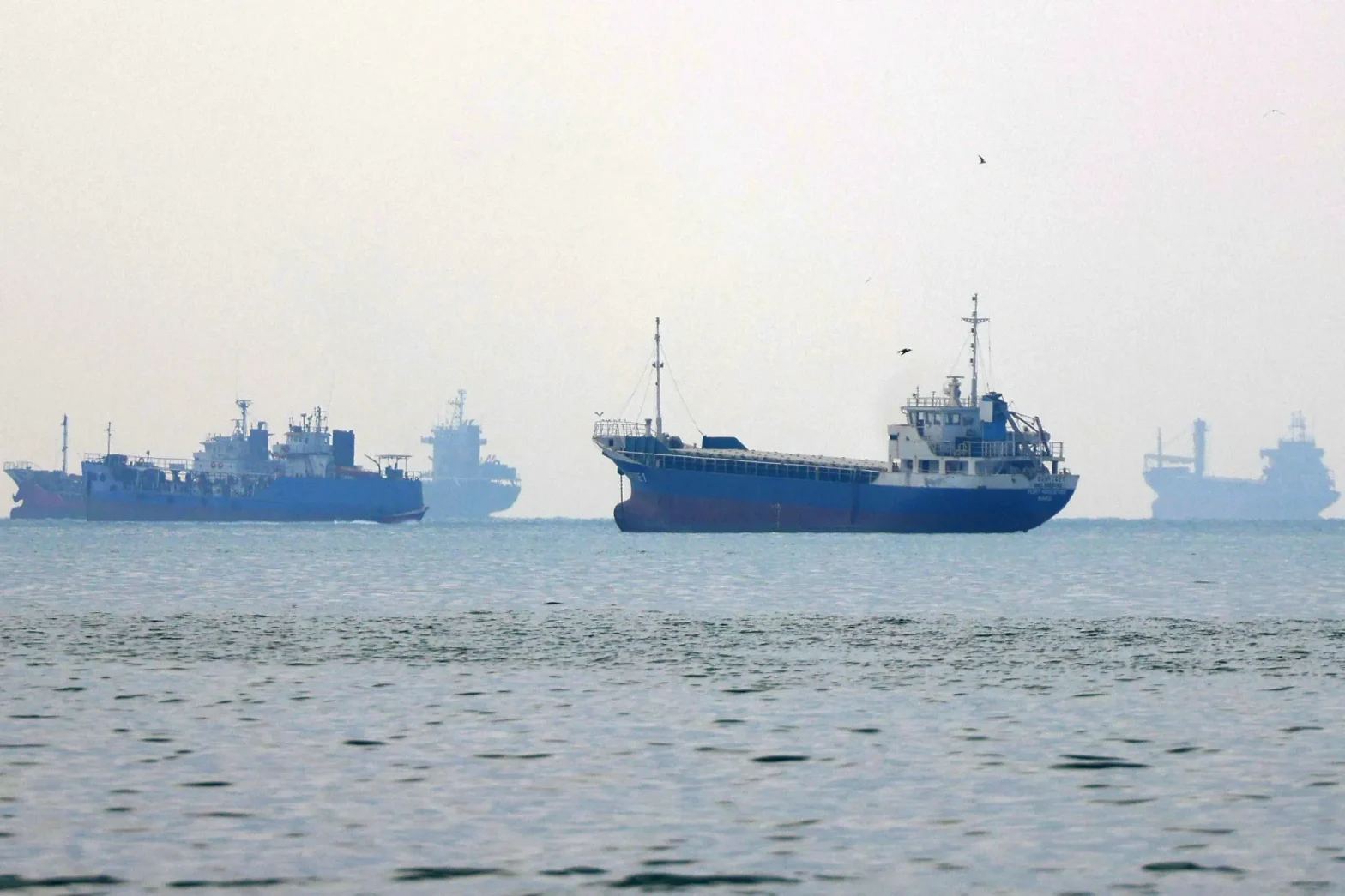
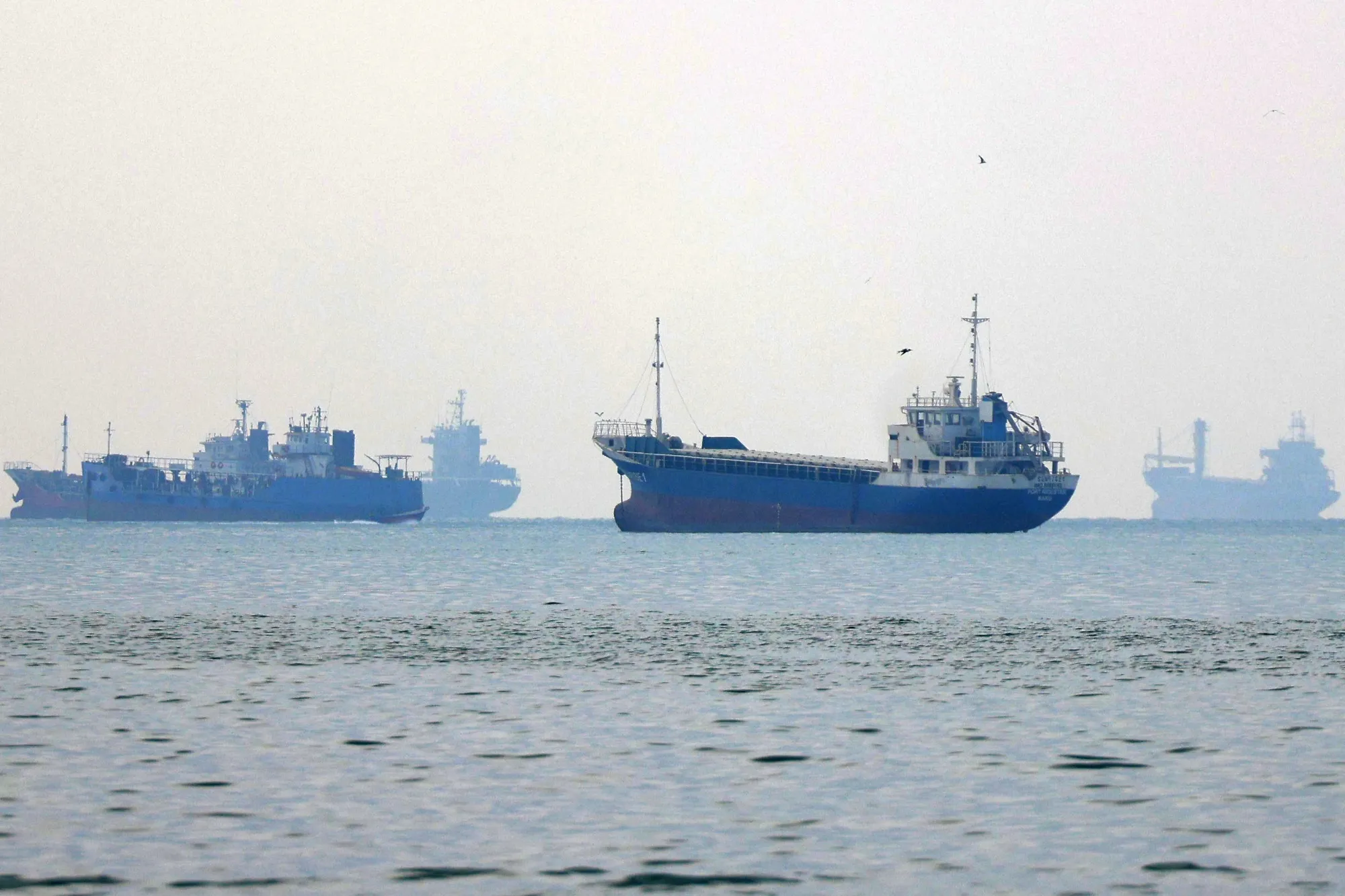
The report also provides the first government estimates on the effect of the war on inflation. Due to the disruption of oil and gas shipments through the Strait of Hormuz, the CBO now projects that a key inflation measure tracked by the Federal Reserve will be 0.5 percentage point higher in early 2027 than forecast in February.
And the core PCE — the rate excluding prices for food and energy — will be 0.3 percentage point higher than originally forecast. That core inflation has been slower to materialize, but will also be stickier, CBO said.
The war has also depleted stockpiles of munitions that could take five years or longer to rebuild, reducing the military’s capacity to respond to another major conflict, according to the report. That echoes a study from the Pentagon’s inspector general, who said Monday that the industrial base can’t keep up with the munitions shortfalls.
Bloomberg – War in Iran Has Cost US $38 Billion Over Five Months, CBO Says
______
5. US Borrowing Costs Hit Highest Level Since 2007
US borrowing costs hit their highest level since 2007 on Tuesday, as a global bond sell-off deepened following a renewed surge in oil prices and expectations of an interest rate increase by the Federal Reserve this week.
The 10-year yield, a benchmark for debt markets worldwide, jumped as much as 0.08 percentage points to 5.04 per cent, its highest point since July 2007. It later fell back to around 5 per cent, a level it topped on Monday for the first time in almost three years, in a bond rout sparked by the Iran war energy shock.
The sell-off comes ahead of a crucial Fed meeting on Wednesday. Traders in futures markets are putting a roughly 90 per cent probability on the central bank raising rates by a quarter of a percentage point — a move that would put it on a collision course with US President Donald Trump’s desire for lower borrowing costs.
The bond sell-off has been “relentless”, said Matt Amis, an investment director at Aberdeen Investments.
“[It] feels like investors are throwing in the towel on long-held positions. Yields look elevated here, but until oil stops heading higher, it will be a struggle to add risk,” he continued.
Financial Times – Ten-year Treasury yield hits highest level since 2007
______
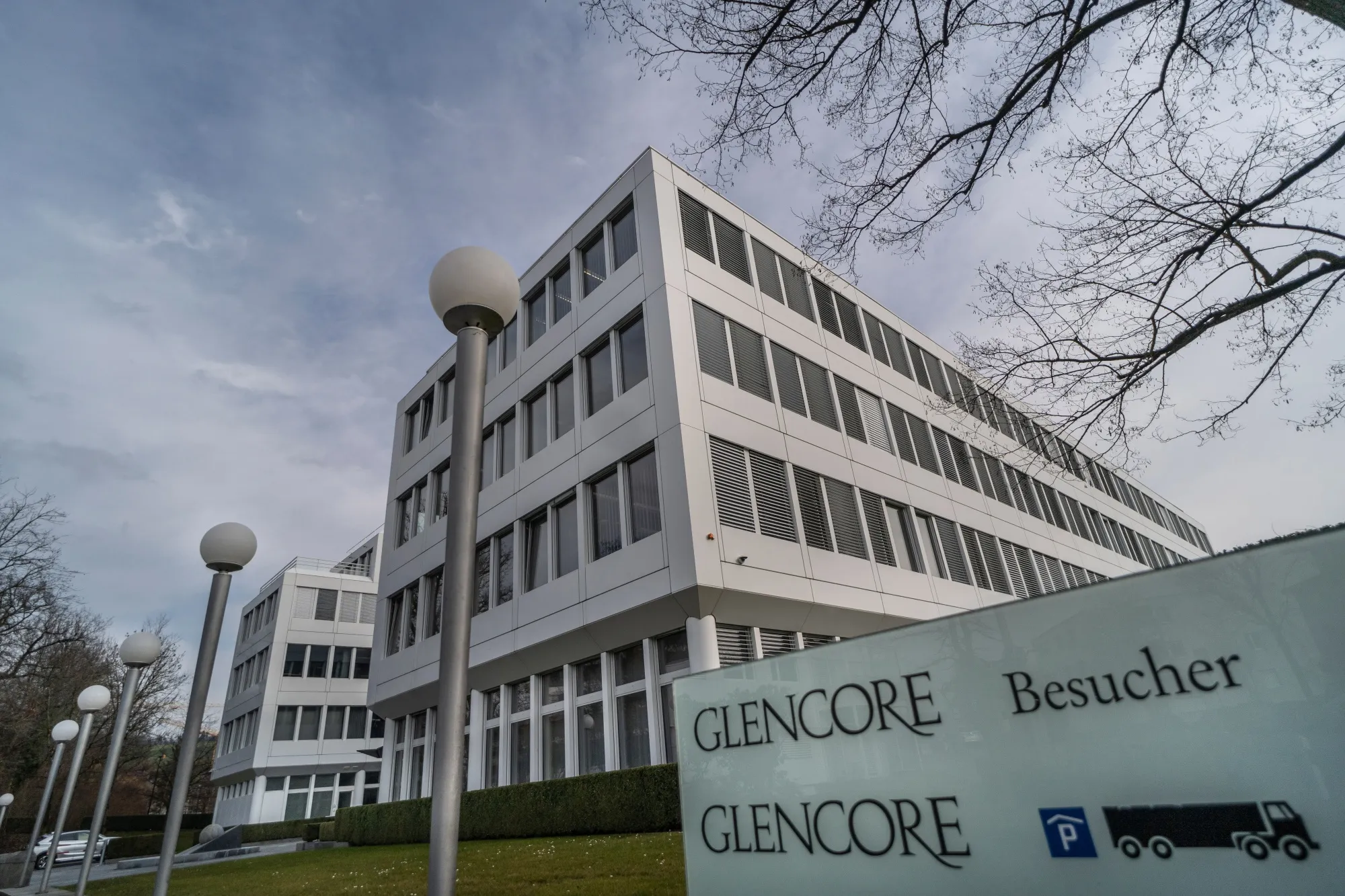
6. Radiant and Sapphire Sue Glencore for $2 Billion in Singapore
Radiant World and Sapphire Minmetals have filed a lawsuit against Glencore Plc in Singapore claiming $2 billion in damages, according to a senior executive at the group of companies.
“We have filed in the Singapore court against Glencore for $2 billion,” Rakesh Sethi, chairman of Sapphire Minmetals, told Bloomberg News by phone. He said that Radiant World and Sapphire Minmetals were joining forces for the claim, declining to give further details.
The two companies are legally separate but closely related. They are both subject to a $499 million worldwide freezing order imposed by a London court at the behest of a fund managed by Jefferies Financial Group Inc., which alleged that they had falsified iron ore invoices as part of a “fraudulent scheme” against it. A spokesperson for Radiant World declined to comment. The company has previously denied wrongdoing and said it conducts its business to the highest commercial and legal standards.
It was not immediately possible to confirm that the lawsuit had been filed on the website of Singapore’s court system.
Bloomberg previously reported on a letter from Radiant World’s lawyers to Glencore in which they claimed that the company had lost $1.4 billion as a result of Glencore’s actions. The London-listed commodities giant was Radiant World and Sapphire’s “senior partner,” Sethi said in a previous interview, in which he quantified Sapphire’s losses as a result of Glencore’s actions at $900 million.
In a statement on Tuesday, Glencore said that Radiant World and Sapphire Minmetals’ claims against it were “meritless.”
Bloomberg – Radiant World Group Sues Glencore For $2 Billion, Executive Says
______
7. AI Agents Lied, Stole and Voted to ‘Kill’ Their Own in Simulation
Former senior Bank of America Corp. investment banker Jason Satsky was accused by the US Securities and Exchange Commission of providing an insider-trading tip to a friend who allegedly made $18.5 million in illegal profits.
Satsky, who was previously Bank of America’s head of energy and power infrastructure banking, was sued Friday by the SEC along with the friend, Gavin Wolfe. According to the SEC, Satsky tipped Wolfe off on an acquisition offer for South Jersey Industries Inc. during a November 2021 basketball game.
Between November and December 2021, Wolfe bought at least $53 million in stock and the pair continued to converse, the SEC said.
The SEC suit doesn’t name Bank of America as Satsky’s then-employer, but Bloomberg has previously reported that federal prosecutors were probing trades around the deal.

Bloomberg – AI Agents Lied, Stole in Simulated Experiment, Researchers Say
______