
—— Warner Bros. Discovery Q4 Revenue Slides 6%; eBay to Slash 800 Jobs; US Weekly Jobless Claims Edge Up to 212,000; Nvidia’s Blowout Results Fail to Ignite Tech Rally; US Applications for British Citizenship Hit All-Time High; First Insider Trading Crackdown in Prediction Markets; China Weighs Nationwide Sugar Tax.
1. Warner Bros. Discovery Q4 Revenue Slides 6%
Media titan Warner Bros. Discovery Inc. reported lower fourth-quarter sales and earnings on Thursday, highlighting the structural headwinds facing its traditional cable business amidst a high-stakes takeover battle. Quarterly revenue declined 6% to $9.46 billion, while adjusted EBITDA shrank to $2.22 billion—though both figures surpassed tempered Wall Street expectations. The company’s networks segment, which houses CNN, TNT, and HGTV, saw a 12% revenue drop to $4.2 billion due to eroding ad sales and distribution fees, leading to a 27% plunge in the division’s adjusted EBITDA.
The financial results arrive as the company navigates a contentious bidding war between industry rivals. In the past week, Paramount Skydance Corp. hiked its buyout offer to $31 per share, a move designed to scuttle Warner Bros.’ existing agreement to sell its studios and HBO Max business to Netflix Inc. for $27.75 per share. Warner’s board is currently weighing whether the new Paramount bid represents a superior proposal. Should the board flip its recommendation, Netflix will have a four-day window to either sweeten its terms or walk away from the deal.
The outcome will likely reshape the entertainment landscape for 2026, as either potential merger would create a dominant force in global streaming and content production.

Bloomberg – Warner Bros., Weighing Rival Bids, Posts Lower Sales and Profit
______
2. eBay to Slash 800 Jobs
E-commerce pioneer eBay Inc. announced Thursday that it is cutting approximately 800 full-time roles, or roughly 6% of its global workforce, in its third major round of layoffs in three years. The San Jose-based company stated that the reductions are necessary to align its organizational structure with strategic priorities, particularly its push toward AI-powered operational efficiency. The move follows similar workforce reductions in early 2024, when eBay cut 1,000 jobs, and 2023, which saw 500 departures. Despite the cuts, management indicated that the firm will continue to hire selectively in high-growth focus categories.
The downsizing comes just one week after eBay announced a high-profile $1.2 billion cash acquisition of Depop from Etsy, a strategic move aimed at capturing the Gen Z “recommerce” market. The deal, expected to close in Q2 2026, targets a demographic where nearly 90% of active buyers are under age 34. Ironically, the layoffs coincide with robust financial performance; eBay recently reported Q4 2025 revenue of $3 billion—a 15% year-over-year increase that topped analyst estimates. CEO Jamie Iannone credited the strong quarter to a 19% surge in advertising revenue and the integration of generative AI tools that simplify the listing process for sellers.
Investors are closely watching how the consolidation of staff and the integration of Depop will impact eBay’s competitive stance against disruptors like Vinted and Temu in the evolving 2026 resale landscape.

Bloomberg – EBay Is Laying Off About 800 Workers, 6% of Global Workforce
______
3. US Weekly Jobless Claims Edge Up to 212,000
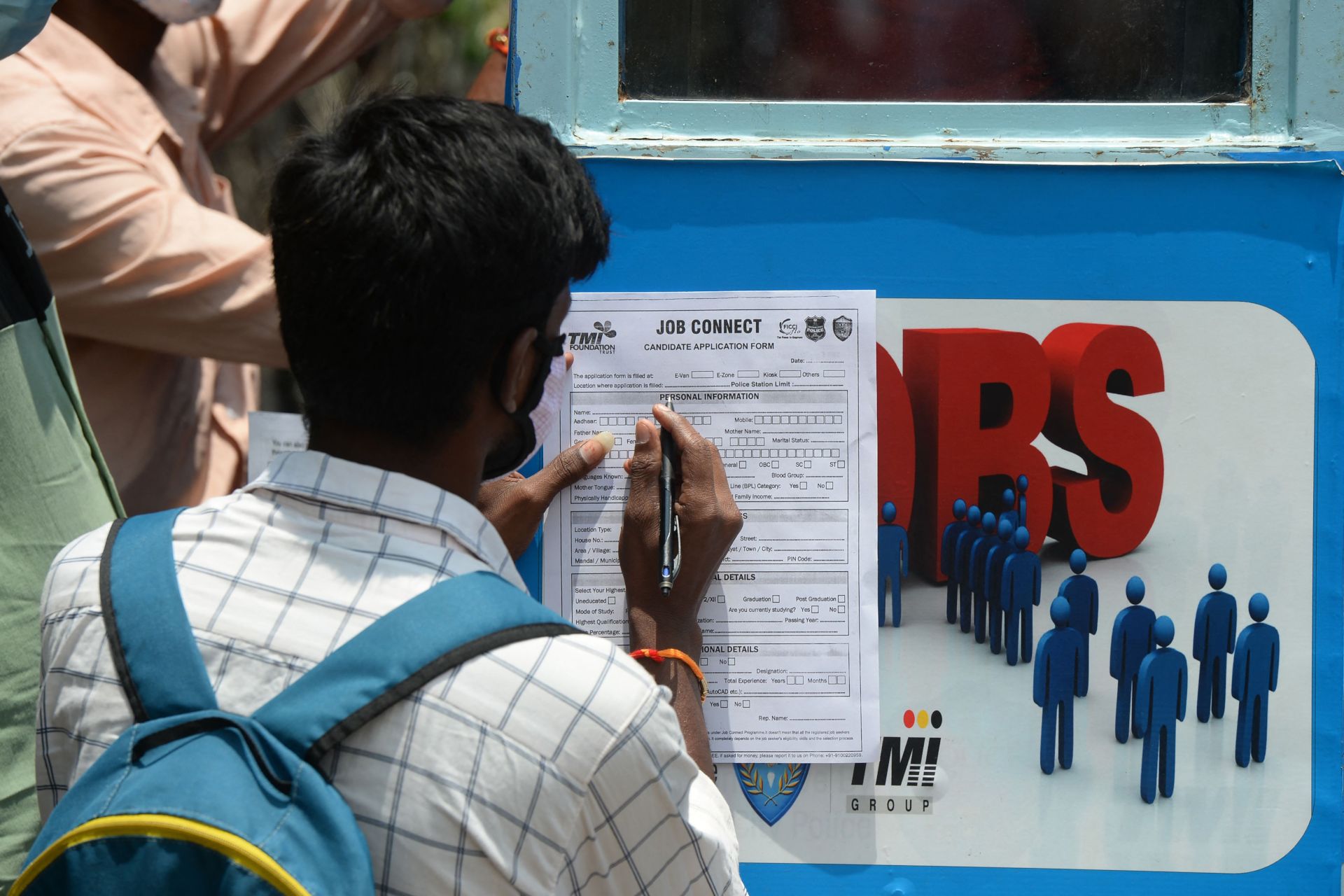
Initial applications for US unemployment benefits rose less than anticipated last week, suggesting that the broader labor market remains resilient despite headline-grabbing job cuts in specific sectors. According to Labor Department data released Thursday, initial claims increased by 4,000 to a total of 212,000 for the week ending Feb. 21. This figure came in below the median forecast of 216,000 in a Bloomberg survey of economists. The reporting period included the Presidents’ Day holiday, a factor that often introduces volatility into weekly metrics, leading analysts to emphasize the four-week moving average, which remained largely unchanged at 220,250.
Continuing claims, which serve as a proxy for the total number of people receiving ongoing state benefits, declined to 1.83 million for the week ending Feb. 14, outperforming market expectations of 1.858 million. This decrease indicates that displaced workers are still finding new employment with relative efficiency. On a non-seasonally adjusted basis, initial filings fell to their lowest level since September, led by significant declines in Michigan, New York, and Ohio.
Policymakers are now awaiting the February employment report, due March 6, to determine whether the robust payroll gains seen in January represent a sustainable trend or a temporary blip, as they calibrate the next steps for monetary policy.
Bloomberg – US Jobless Claims Edged Higher to 212,000 in Holiday Week
______
4. Nvidia’s Blowout Results Fail to Ignite Tech Rally
A sharp sell-off in chipmakers weighed heavily on Wall Street Thursday as Nvidia Corp.’s stellar quarterly report failed to provide the long-term reassurance investors sought regarding the AI revolution. While 300 stocks within the S&P 500 managed to advance, the benchmark index fell 1.1%, and the tech-heavy Nasdaq 100 lost 1.8%. Despite beating expectations across revenue, net income, and future guidance, Nvidia shares plunged 5%. Analysts at Fundstrat noted that while “blowout” numbers are now standard for the firm, management failed to ease concerns about a narrowing competitive moat or provide a clear roadmap for navigating AI’s potential disruption across broader sectors like finance and cybersecurity.
The software sector saw mixed results: Snowflake Inc. surged 6% on robust growth prospects, while Salesforce Inc. traded lower following a tepid forecast. In a significant portfolio shift, HSBC strategists led by Max Kettner halved their overweight position in US equities, rotating capital into emerging markets and Europe. While remaining “risk-on” due to strong US cyclical indicators such as manufacturing and consumer spending, the team cited overstretched valuations in American tech as a primary reason for the pivot. On the economic front, weekly jobless claims rose to a lower-than-expected 212,000, signaling a resilient labor market.
Meanwhile, the 10-year Treasury yield eased to 4.01%, and oil prices stabilized after erasing early losses, reflecting a market increasingly focused on the “monetization phase” of the AI cycle rather than mere infrastructure build-out.

Bloomberg – Chip Stocks Get Hit as Nvidia Sinks After Earnings: Markets Wrap
______
5. US Applications for British Citizenship Hit All-Time High
The number of US nationals applying for British citizenship reached an unprecedented high during the first year of President Donald Trump’s second term. According to Home Office data released Thursday, a total of 8,790 Americans sought citizenship through registration or naturalization in 2025—a 42% surge compared to the previous record of 6,192 set in 2024. The data peaked in the final quarter of last year, with 2,490 individuals filing applications as the new administration stepped up efforts to reshape US institutions and economic policy.
Immigration lawyers cite the “political climate in the US” as a significant motivator for those seeking a more predictable environment abroad. Nick Rollason, head of immigration at Kingsley Napley, noted that while a 2022 rule change allowing citizenship claims via a British grandmother helped boost numbers, the broader trend reflects a desire for global mobility among high earners. This exodus is also visible in education and labor sectors, with British universities reporting a rise in US student interest and UK job postings seeing increased traction from American professionals.
The UK government, while tightening net migration overall, has signaled it welcomes these “high-value” applicants to help fuel national economic growth.

Bloomberg – British Citizenship Applications by US Nationals Hit Record High
______
6. First Insider Trading Crackdown in Prediction Markets
Prediction market platform Kalshi issued one of the industry’s first public disciplinary actions for insider trading on Wednesday, targeting an employee of the world’s most popular YouTuber, MrBeast. According to a notice on Kalshi’s website, Artem Kaptur was suspended for two years and fined approximately $20,000 after placing bets in August and September related to the outcomes of MrBeast videos. Kaptur allegedly used non-public information to net around $5,000 in profits. MrBeast, whose real name is Jimmy Donaldson, currently commands over 460 million subscribers and has several live contracts on Kalshi tied to his Amazon Prime series, Beast Games.
A representative for Beast Industries stated that the company had initiated its own investigation prior to Kalshi’s announcement. While welcoming the platform’s serious stance on integrity, the spokesperson urged Kalshi to be more communicative regarding its findings in the future. The incident highlights growing regulatory scrutiny over prediction markets, which allow users to wager on a vast array of events, from elections to pre-recorded reality shows. The sector previously drew attention in January when an anonymous trader made massive profits betting on the capture of Venezuela’s Nicolás Maduro.
Kalshi’s decision to penalize Kaptur signals an aggressive push by major platforms to curb information leakage and maintain market credibility in 2026.

Bloomberg – Kalshi Fines, Suspends MrBeast Employee for Insider Trading
______
7. China Weighs Nationwide Sugar Tax
Chinese policymakers are considering the implementation of a nationwide tax on sugar-sweetened beverages as a means to generate new fiscal revenue and address mounting public health concerns. According to people familiar with the discussions, officials are evaluating a plan to tax drinks with high sugar content ahead of the nation’s annual political meetings. If implemented, China would join at least 116 countries that have already introduced such levies. The World Health Organization (WHO) has previously urged all nations to impose a tax of at least 20% on the retail price of sugary drinks, aiming for a 50% price increase by 2035.
Yang Zhiyong, president of the Chinese Academy of Fiscal Sciences, noted that China is unlikely to escape this global trend, driven fundamentally by severe health challenges. High sugar intake is linked to increased risks of obesity, cardiovascular disease, and type-2 diabetes. China’s 2025 food and nutrition guidelines set a target to reduce average daily added sugar intake to below 25 grams per person by 2030, down from the current average of 30 grams. In the domestic market, a 500ml bottle of Coca-Cola typically retails for Rmb3.5 (approx. $0.50), while local brands like Eastroc Super Drink sell for Rmb3.
A sugar tax could net billions of renminbi annually while supporting national health objectives.

Financial Times – China targets ‘happy fat water’ soft drinks for economic sugar fix
______