—— Wall Street Giants Enable $1.8 Trillion Private Credit Shorts; Fed Proposes Landmark Bank Capital Cuts; MTA Unveils Record $4 Billion Subway Order; TP-Link Founder Seeks “Trump Gold Card”; Wall Street Braces for $5.7 Trillion “Triple-Witching” Cliff; Meta to Pivot Toward AI-Led Content Moderation; Micron’s Record AI Growth Overshadowed by Capex Surge.
1. Wall Street Giants Enable $1.8 Trillion Private Credit Shorts
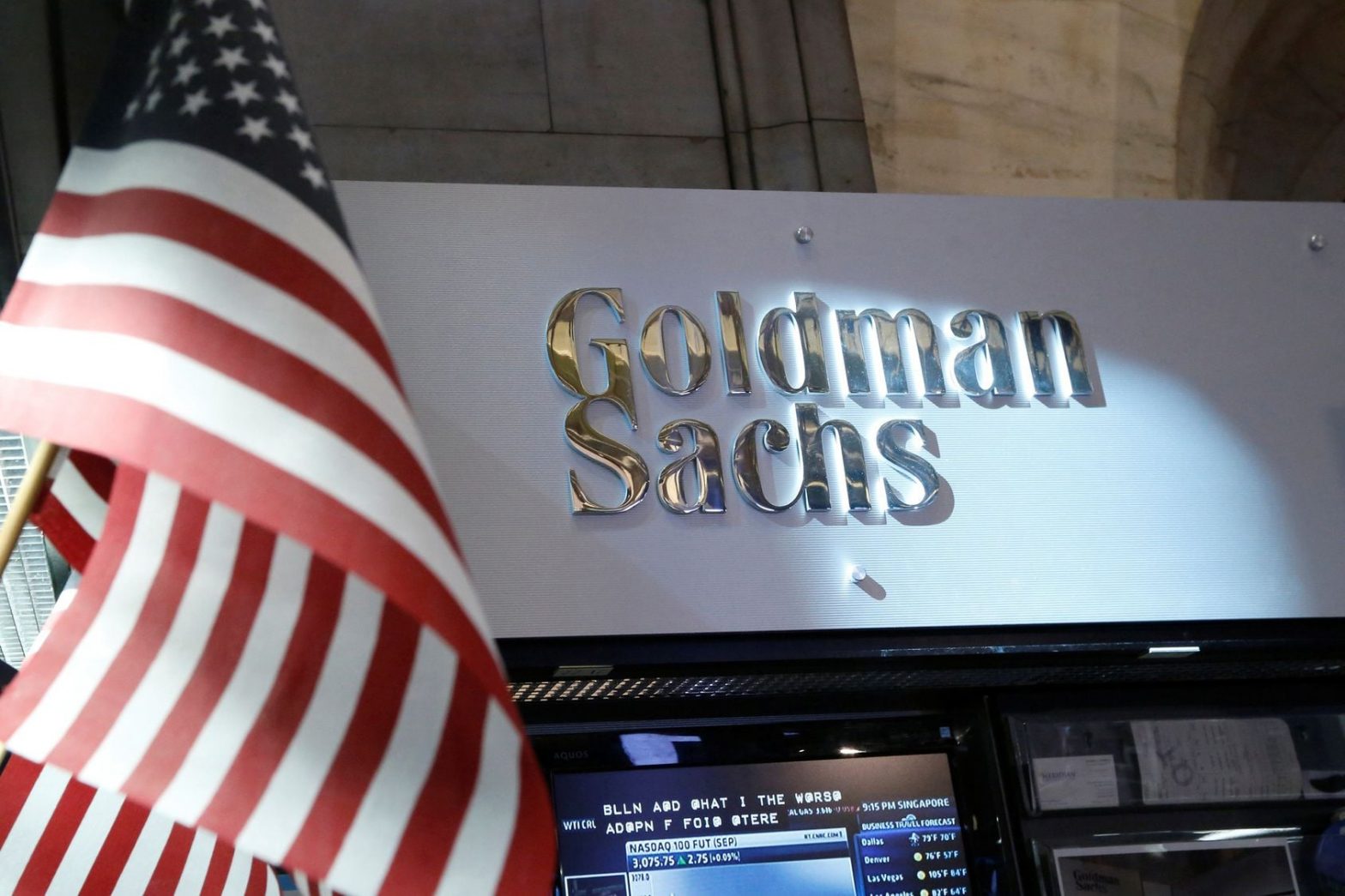
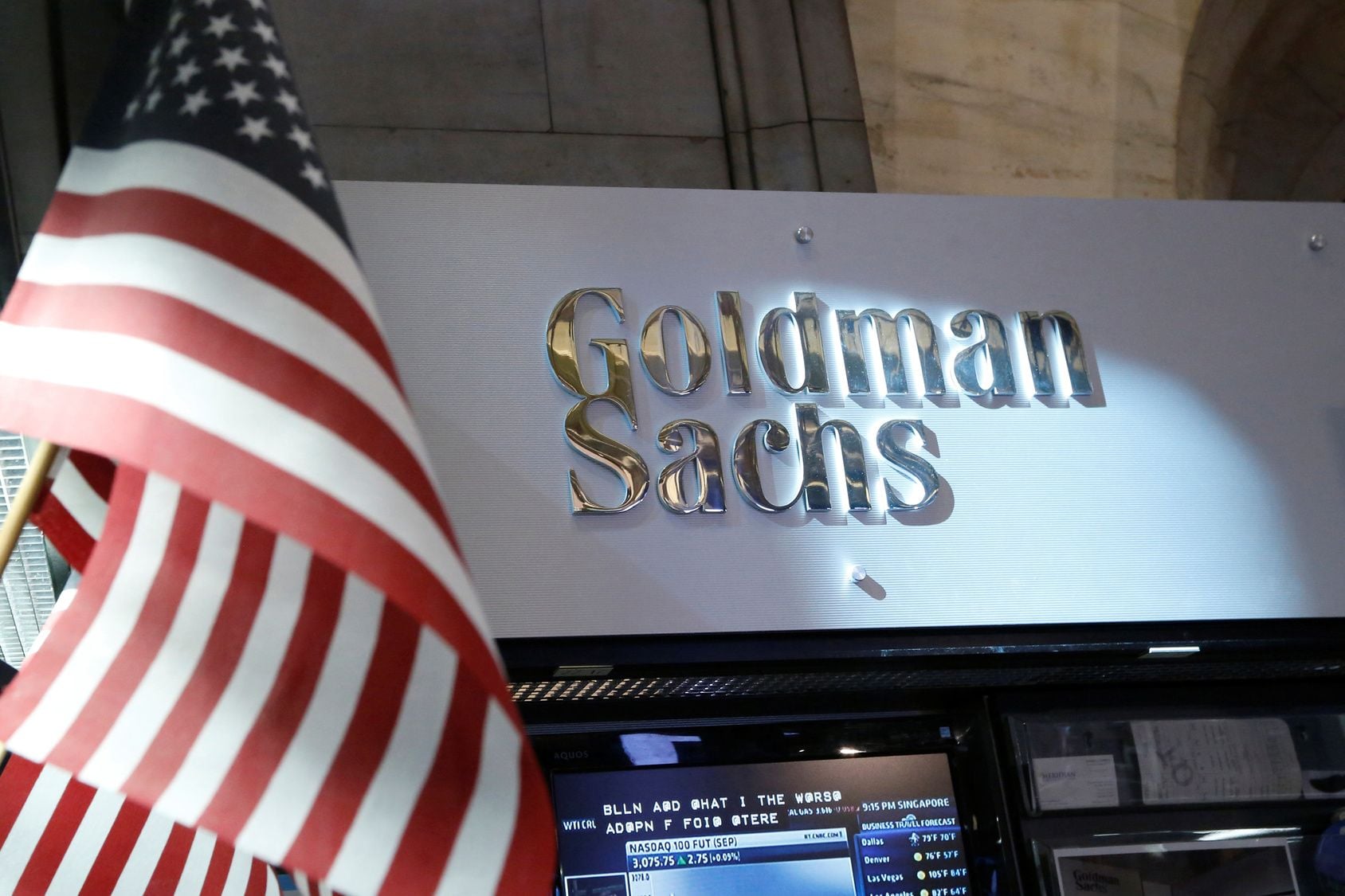
Investment banks including Goldman Sachs and JPMorgan Chase are equipping hedge fund clients with new tools to bet against the sprawling $1.8 trillion private credit market. People familiar with the matter say the firms have assembled bespoke baskets of listed business development companies (BDCs) and alternative asset managers, allowing sophisticated investors to hedge against potential defaults. Bank of America briefly issued a similar recommendation targeting European financial firms like Partners Group and Deutsche Bank before withdrawing the call on Thursday.
Concerns over the software sector’s vulnerability to artificial intelligence are driving this tactical pivot. Private credit lenders, heavily concentrated in SaaS and enterprise software, now face the specter of mass revaluations as AI renders legacy software models obsolete. A wave of investor redemptions is further straining the asset class, which until recently was considered a stable alternative to public markets.
The sudden availability of these shorting instruments signals a turning point for 2026 credit markets.
By bundling BDCs and alternatives managers into tradable indices, Goldman and JPMorgan are facilitating a massive shift in sentiment away from the “private credit gold rush.” Market participants are now scrutinizing the underlying loan books of major lenders, bracing for potential shocks as the liquidity that fueled the sector’s growth begins to dry up.
Bloomberg – JPMorgan, Goldman Offer Hedge Funds Way to Short Private Credit
______
2. Fed Proposes Landmark Bank Capital Cuts
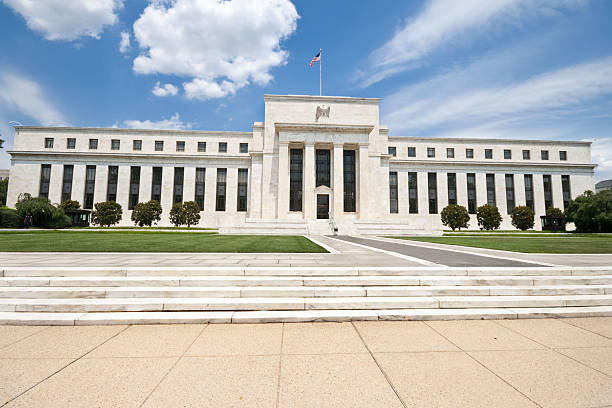
Wall Street’s largest lenders are poised for a significant reduction in capital requirements under a sweeping proposal unveiled by the Federal Reserve on Thursday. The plan, co-authored by the FDIC and OCC, would slash aggregate common equity tier 1 capital requirements by 4.8% for the nation’s biggest banks and 5.2% for midsize firms. Fed Vice Chair for Supervision Michelle Bowman characterized the move as a way to “strengthen the overall capital framework” while removing unnecessary regulatory friction.
The shift represents one of the most substantial rollbacks of banking rules since the 2008 global financial crisis. By overhauling stress tests and easing supplementary leverage ratios, officials aim to harmonize capital standards and unlock billions of dollars for lending and shareholder payouts. A 90-day public consultation period begins today, setting the stage for a formal adoption later this fiscal year.
Investors are already recalibrating bank valuations in anticipation of massive share buybacks and dividend hikes. The projected decrease in high-quality regulatory capital offers a stark contrast to the tightening seen over the past decade.
Market analysts view the proposal as a strategic pivot by the Fed to bolster economic liquidity in early 2026, even as broader geopolitical tensions persist in the energy and tech sectors.
Bloomberg – US Regulators Unveil Plans to Ease Big Bank Capital Rules
______
3. MTA Unveils Record $4 Billion Subway Order
The Metropolitan Transportation Authority (MTA) launched the largest rolling stock procurement in its history Thursday, issuing a request for proposals for up to 2,390 new subway cars. This massive order, exceeding the combined fleets of Chicago and Boston, aims to retire breakdown-prone railcars dating back to the 1980s. CEO Janno Lieber framed the move as the centerpiece of a “public transit renaissance,” emphasizing the need to replace 50-year-old equipment with modern technology to meet rider expectations in 2026 and beyond.
A shift toward “open-gangway” architecture marks the next generation of New York transit. Governor Kathy Hochul noted that the new design would enhance both passenger safety and capacity across the system’s busiest arteries. The procurement includes a base order of 1,140 cars, funded by $4 billion from the current capital budget, with an option for an additional 1,250 units. Initial deployments are slated for the 1, 3, and 6 lines starting in the early 2030s. Global manufacturers have until September 8 to submit bids, with the MTA expecting to award the contract by early 2028. This $12 billion initiative is a critical pillar of the agency’s broader $68 billion modernization strategy, targeting infrastructure that has long outlived its intended lifespan.
Market analysts view this RFP as a high-stakes battle for international rail giants, as New York’s commitment to historic investment provides a rare long-term anchor for the global transit manufacturing sector.

Bloomberg – NYC’s Transit System to Replace One-Third of Its Subway Cars
______
4. TP-Link Founder Seeks “Trump Gold Card”
Jeffrey Chao, the founder and CEO of California-based router giant TP-Link Systems Inc., has applied for an expedited visa under the “Trump Gold Card” program, according to people familiar with the matter. The move comes as the Commerce Department intensifies its national security investigation into the company’s links to China. Under the controversial program’s requirements, successful applicants must provide a $1 million “unrestricted gift” to the Commerce Department in exchange for permanent residency—a pathway Chao is reportedly pursuing to secure his U.S. status.
The intersection of personal immigration and corporate regulation marks a new frontier in tech lobbying. While TP-Link confirmed that Chao and his wife are pursuing U.S. citizenship, the company declined to comment on the specific Gold Card application. A spokesperson maintained that TP-Link’s security practices align with industry standards and expressed a commitment to resolving any federal concerns. This dual-track process creates a unique dynamic, as the same department evaluating TP-Link’s potential threat to national infrastructure is also overseeing the CEO’s million-dollar residency bid.
Market analysts and legal experts are closely watching the case, as it sets a precedent for how high-profile foreign tech executives navigate 2026’s aggressive regulatory environment.

Bloomberg – Chinese Founder of Router-Maker TP-Link Seeks a Trump Gold Card
______
5. Wall Street Braces for $5.7 Trillion “Triple-Witching” Cliff
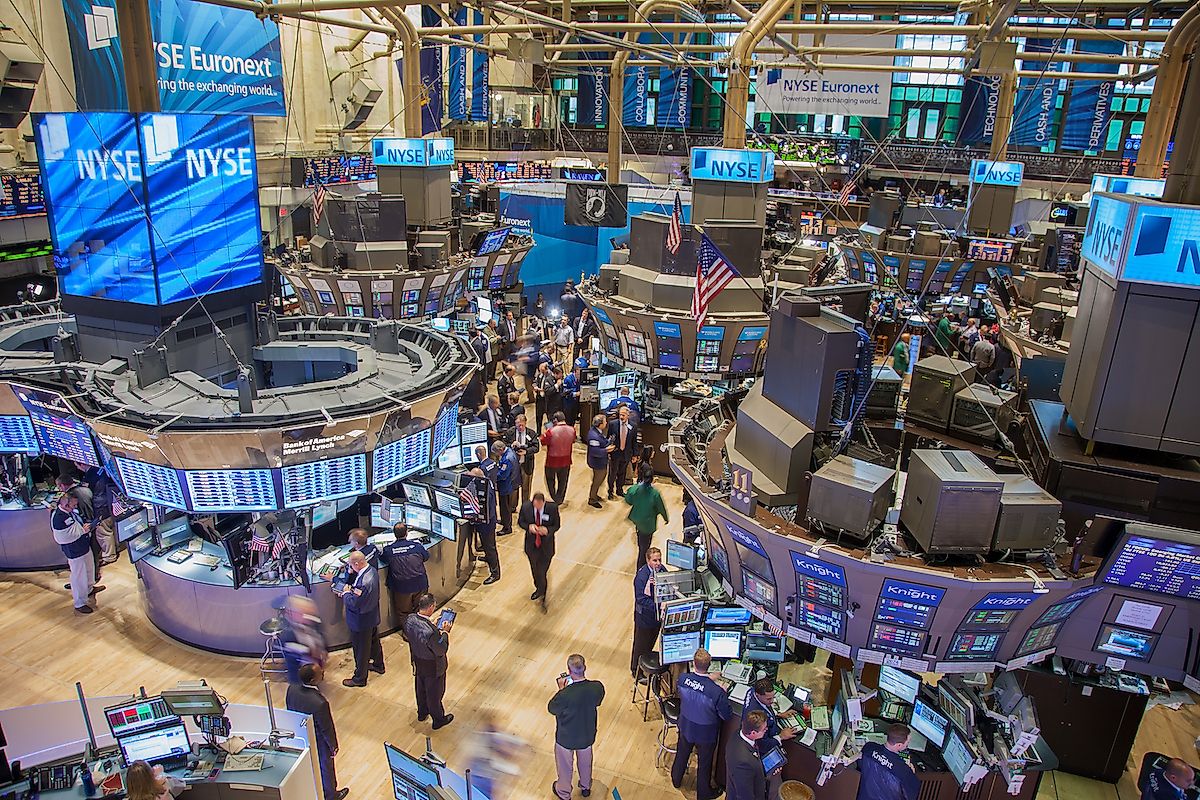
As the conflict in Iran continues to strain global energy markets, Wall Street is pivoting toward a massive liquidity event that could define the remainder of the quarter. This Friday marks the quarterly “triple-witching” expiration, with an unprecedented $5.7 trillion in U.S. stock-linked options set to lapse. According to Citigroup data reaching back to 1996, this is the largest March expiry on record—a historic tally that threatens to amplify price swings just as geopolitical shocks upend inflation forecasts.
The confluence of Middle Eastern hostilities and shifting Fed expectations has left traders with little room for error. Escalating attacks on Persian Gulf infrastructure have pushed crude prices higher, effectively extinguishing hopes for imminent interest-rate cuts. While the S&P 500 remains within striking distance of its January peak, the Cboe Volatility Index (VIX) is anchored well above its seasonal average.
This “anxiety gap” underscores the risk inherent in Friday’s session, where the sudden evaporation of trillions in derivatives exposure acts as a potential catalyst for a disorderly market rebalancing in early 2026.
Bloomberg – Wall Street Faces a $5.7 Trillion Triple-Witching Jolt on Friday
______
6. Meta to Pivot Toward AI-Led Content Moderation
In a move that underscores the rapid maturation of generative AI, Meta Platforms Inc. is overhauling its content governance strategy by favoring large language models over human oversight. The company announced Thursday that it will scale back its use of third-party vendors—such as Accenture Plc—as its latest AI tools demonstrate a superior ability to enforce community standards. For years, the Facebook and Instagram parent relied on a hybrid model of automated detection and manual review, but internal benchmarks now show that LLM-based systems consistently outperform traditional human-centric methods in identifying scams, celebrity impersonations, and predatory content.
The transition marks a pivotal moment for the massive content moderation industry. Meta’s blog post highlighted that these advanced solutions provide more consistent enforcement across its global apps, effectively bridging the gap between scale and accuracy. The broader deployment of these tools signals a looming contraction for global outsourcing firms that have long provided the human workforce for digital safety.
Investors are viewing the strategy as a significant margin-enhancing move for early 2026. By automating one of its most labor-intensive and controversial operations, Meta aims to streamline its cost structure while navigating an increasingly complex regulatory landscape.
Market observers are now watching for a potential industry-wide shift, as other social media platforms consider whether AI can finally replace the hundreds of thousands of human moderators currently tasked with policing the world’s digital town square.

Bloomberg – Meta to Reduce Role of Outside Content Moderators in Favor of AI
______
7. Micron’s Record AI Growth Overshadowed by Capex Surge
The U.S. economy is too frail to absorb oil prices at $100 per barrel, according to EJ Antoni, the Heritage Foundation economist once picked by Donald Trump to lead the Bureau of Labor Statistics. Speaking to the FT on Wednesday, Antoni warned that the disinflationary benefits of 2025 have vanished, replaced by upward price pressure across the entire economic spectrum as Brent crude surged 5% to nearly $110 a barrel following escalations in Iran.
Rising energy costs are rapidly becoming a political liability for the GOP. With pump prices jumping from $2.92 to $3.84 in just one month, Republican strategists fear a voter backlash in the upcoming 2026 midterm elections. The economic alarm coincides with growing internal dissent within the administration. Antoni’s critique follows the high-profile resignation of the National Counterterrorism Center director, marking a turbulent 24 hours for the White House.
Federal Reserve officials are confronting these grim figures during today’s policy meeting. The dual shock of $5 diesel and stalling consumer sentiment suggests that the “soft landing” projected late last year is under immediate threat.
Market analysts are now recalibrating their year-end forecasts, as the protracted conflict in the Persian Gulf threatens to anchor inflation far above the Fed’s target throughout the 2026 fiscal year.
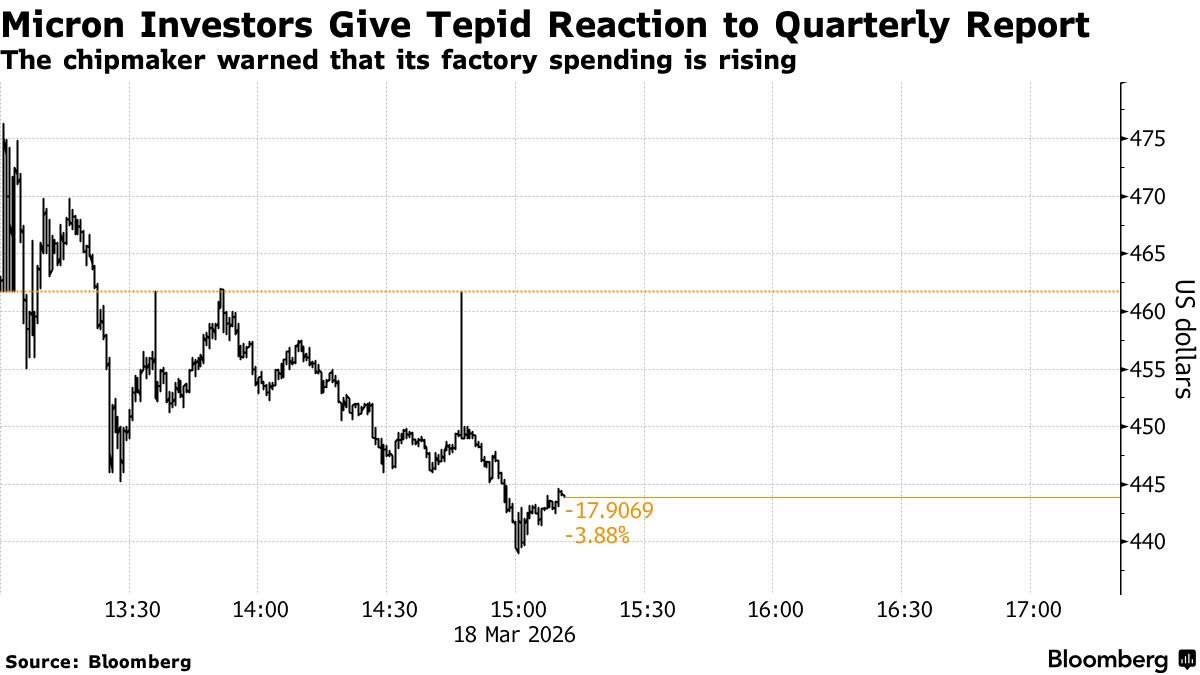
Bloomberg – Micron’s Capital Spending Growth Overshadows Booming Sales
______