—— Hochul Plans 800,000 New Homes in New York; Bolt’s $12 Million Savings Vanish; U.S. Jobless Claims Drop; Florida Villas Yield 86% Returns; JPMorgan Enters Private Credit With $10 Billion; Dr. Martens Shares Plunge 25%; KKR Fund Limits Withdrawals
1. Hochul Plans 800,000 New Homes in New York
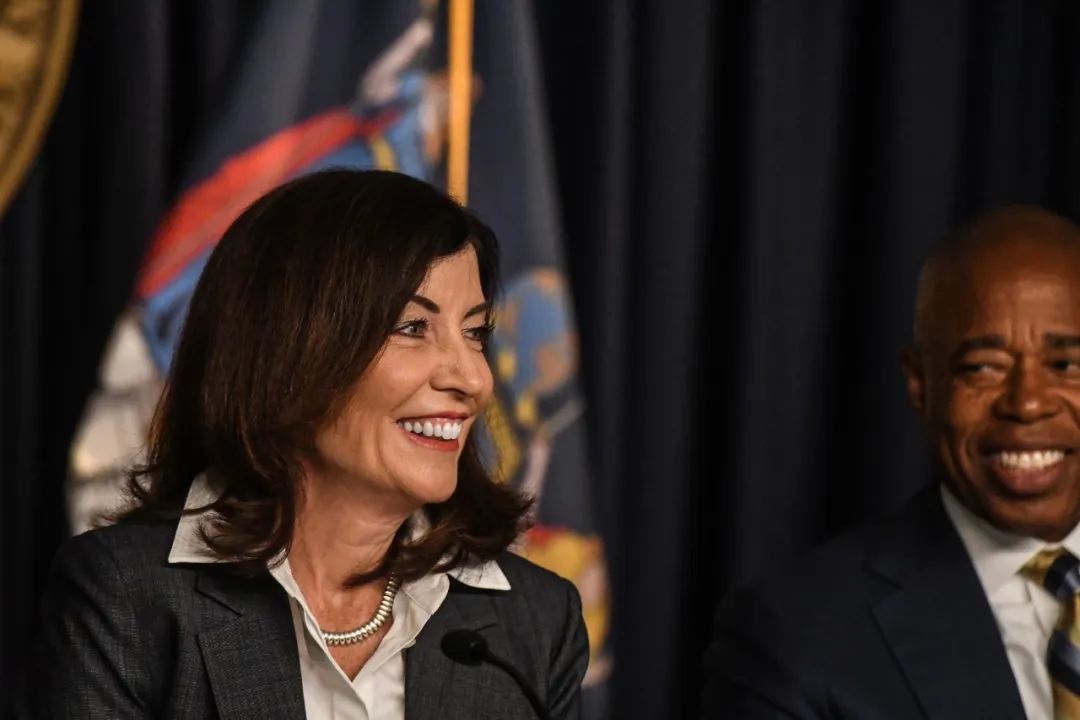
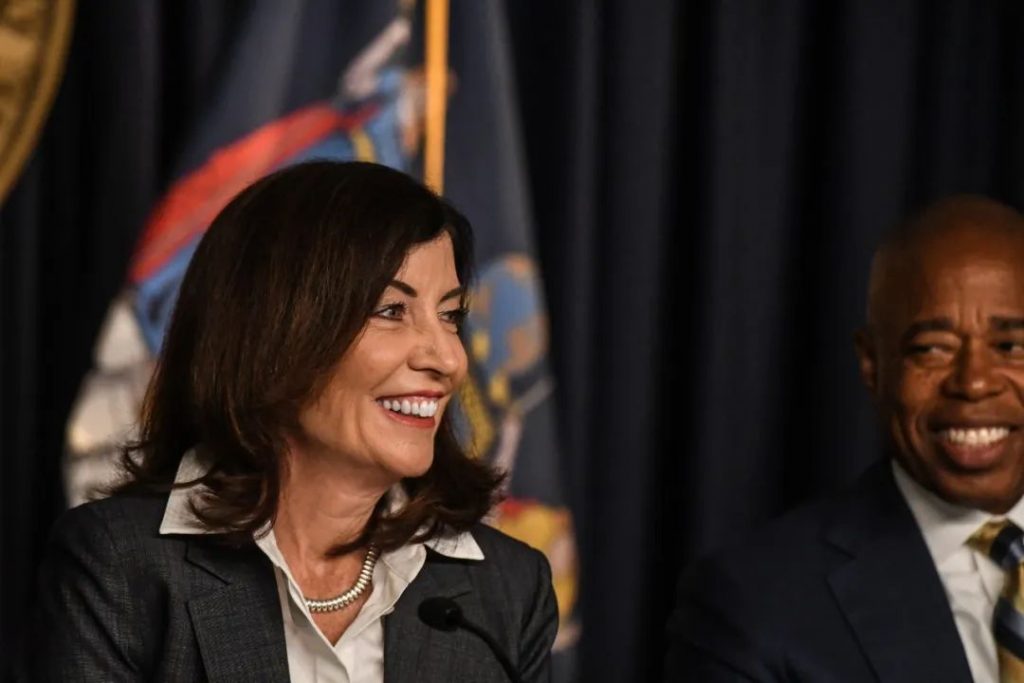
On January 10, New York State Governor Kathy Hochul outlined a plan to address the housing shortage across the state over the next decade. She hopes local governments will actively cooperate in approving new developments, with the goal of adding 800,000 housing units in the next ten years—double the number built in the past decade.
This is only the beginning—New York State may soon legalize basement apartments in New York City and raise density limits in transit hubs. Albany has already begun planning specific development goals for both upstate and downstate regions.
For active “Yes-In-My-Backyard” (YIMBY) advocates, Hochul’s thinking aligns with theirs—that the housing shortage must be addressed by increasing supply. YIMBY proponents believe affordability issues can be solved by boosting housing supply in high-cost areas. YIMBY groups often support increased density and the redevelopment of older buildings.
Andrew Fine, policy director at nonprofit Open New York, said the organization has long viewed supply increases as just as important as building affordable or publicly funded housing. New York State has spent heavily on affordable housing, but tenant protections remain weak, and the state has lagged in zoning reform. He said it’s encouraging to see these issues being readdressed.
Hochul hopes to increase housing density around subway and rail hubs, aligning with the plan proposed by New York City Mayor Eric Adams.
In December, Adams also launched the “Get Stuff Built” initiative—aiming to build 500,000 apartments in New York City over the next decade, primarily by rezoning prosperous areas to increase housing supply. He has been hailed as a “YIMBY hero” by advocacy groups.
Hochul’s density-focused housing strategy has gained support from YIMBY organizations.
______
2. Bolt’s $12 Million Savings Vanish
According to his lawyer, Olympic sprinting legend Usain Bolt has mysteriously lost $12 million from a savings account managed by British investment firm Stocks and Securities Limited (SSL).
Recently, Bolt’s attorney Linton Gordon informed him via phone that only $12,000 remained in the account. The account was intended as Bolt’s retirement fund and held his life savings.
Jamaica’s Financial Services Commission has appointed a special manager to oversee SSL and investigate possible fraud.
Attorney Linton stated that if Bolt’s funds are not recovered within eight days, he will file a formal complaint with the Supreme Court in Kingston, Jamaica’s capital.
Bolt’s retirement savings have mysteriously disappeared, and his lawyer demands SSL return the funds within eight days.

______
3. U.S. Jobless Claims Drop
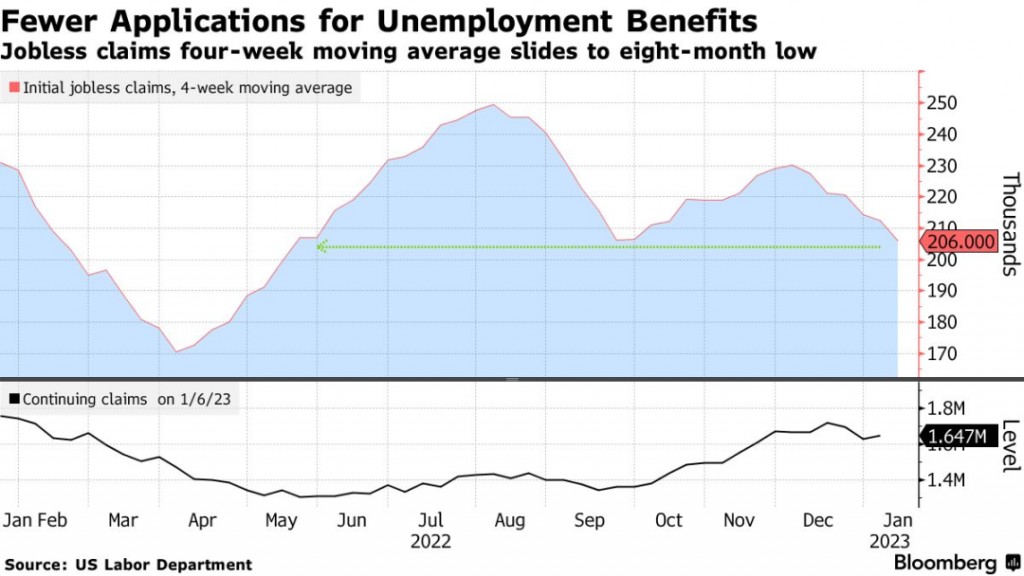
According to the latest data released today by the U.S. Department of Labor, initial jobless claims for the week ending January 14 fell by 15,000 to 190,000—the lowest since September and below the median forecast of 214,000.
However, continuing jobless claims for the week ending January 7 rose to 1.65 million, ending a two-week decline.
Despite mass layoffs by prominent tech, finance, and real estate companies in recent months, the overall job market remains relatively healthy. By the end of 2022, the unemployment rate had fallen to 3.5%, a 50-year low, and resilient consumer spending has allowed companies to continue hiring.
Economists expect that as the Federal Reserve continues to raise interest rates, more people may lose their jobs in the coming months.
Although major firms have laid off tens of thousands, the overall U.S. labor market remains relatively strong.
______
4. Florida Villas Yield 86% Returns
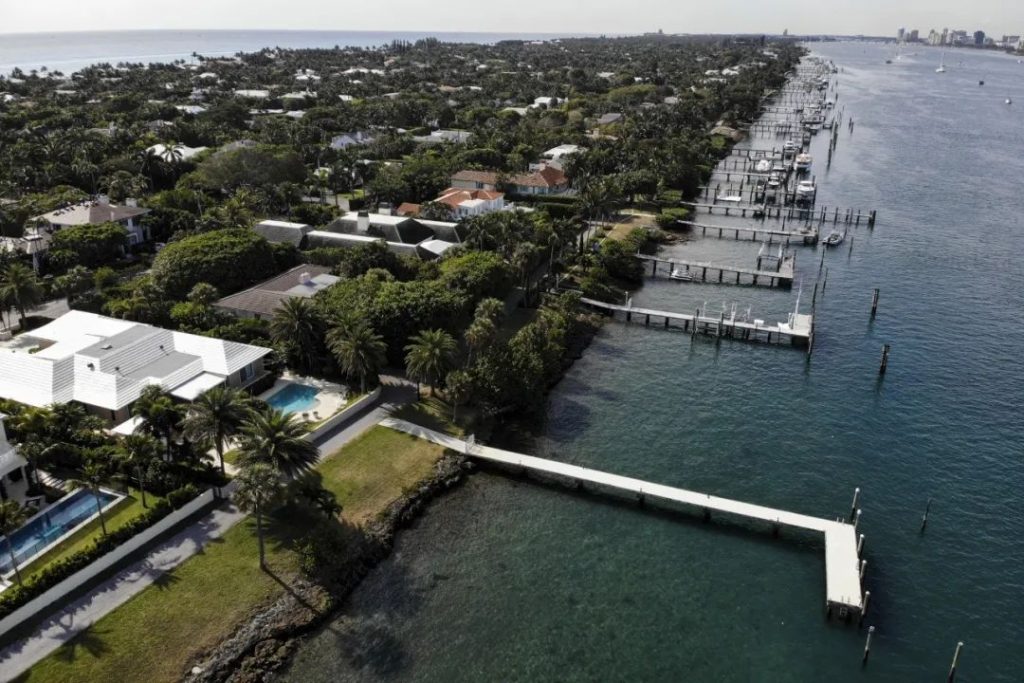
Last month, a five-bedroom beachfront villa in Palm Beach, Florida sold for $66 million. In June 2021, billionaire Josh Harris purchased it for $35.4 million, yielding an 86% return in under two years.
In early December, fashion designer Tom Ford bought a villa from Motive Partners founder Rob Heyvaert for $51 million. Heyvaert gained a 42% return from the sale.
Although soaring interest rates have kept many U.S. homebuyers on the sidelines, high-net-worth individuals are increasingly purchasing move-in-ready luxury homes in South Florida.
Gary Pherer, head of luxury sales at Douglas Elliman, said that for these buyers, time is more important than money. With limited inventory, buyers are willing to pay a premium for immediate move-in options.
Most Palm Beach homebuyers are extremely wealthy, including hedge fund manager Michael Steinhardt.
______
5. JPMorgan Enters Private Credit With $10 Billion
According to sources familiar with the matter, JPMorgan Chase & Co. plans to deploy at least $10 billion into private credit investments, formally entering competition with private equity giants such as Apollo Global, Blackstone, and Ares Management.
One source stated that JPMorgan may commit several billion more if ideal investment targets are found.
It is reported that JPMorgan will use its own balance sheet for these investments, with individual deals reaching up to $500 million.
Direct lending has become a favored financing method in recent years for leveraged buyouts. Many investment firms provide funding directly, bypassing underwriting fees from investment banks and benefiting both lender and borrower.
JPMorgan will offer direct loans to long-term partner companies and provide integrated follow-up services.
______
6. Dr. Martens Shares Plunge 25%
This week, iconic British footwear brand Dr. Martens announced that supply chain bottlenecks at its Los Angeles distribution center will likely reduce full-year net profit by up to £25 million. Following the news, the company’s shares plummeted 25%.
Just two months earlier in November, Dr. Martens had lowered its revenue forecast due to dollar appreciation and weakening demand.
Since its IPO in 2021, the company’s stock has dropped 60%, though it debuted with a valuation of £3.7 billion.
Due to weak sales in the U.S. market, the company now expects revenue growth of 11% to 13% for the fiscal year ending in March—below analysts’ expectations of 16%.
As the U.S. dollar continues to strengthen, consumers may opt to buy in Europe, which has hurt U.S. market performance.

______
7. KKR Fund Limits Withdrawals
According to its latest filing, KKR Real Estate Select Trust (KREST) only met 62% of redemption requests during the quarter ending in December. Investors sought to withdraw 8.1% of total fund assets, surpassing KKR’s 5% quarterly limit.
KREST is a real estate investment vehicle targeting high-net-worth retail investors. Falling commercial property prices have prompted concern among investors, leading them to seek higher cash holdings.
In December, Blackstone announced it would impose withdrawal limits on its BREIT real estate fund. While some expected KKR to benefit from Blackstone’s move, the firm is now facing similar pressure—highlighting how widespread the crisis is across the industry.
KKR has now joined Blackstone in restricting investor withdrawals.
______
This content is sourced from Financial Times, Bloomberg, and The Real Deal, among other financial news outlets.