
—— US January Inflation Falls Unexpectedly to 2.4%; Defense AI Unicorn Shield AI in Talks for $1 Billion Raise; Bitcoin Tests Critical $60,000 Support; Amazon Shares Track Longest Losing Streak in Two Decades; Goldman Sachs Top Lawyer Kathy Ruemmler Resigns Over Epstein Ties; SpaceX Weighs Dual-Class Shares for Historic IPO; Cooling Crypto Market Pressures Coinbase
1. US January Inflation Falls Unexpectedly to 2.4%
US inflation cooled more than expected in January 2026, with the Consumer Price Index (CPI) rising 2.4% on an annual basis, down from 2.7% in December and below the 2.5% consensus forecast. According to Bureau of Labor Statistics data released Friday (Feb 13), this marks the lowest inflation reading since early 2021. Core CPI, which excludes volatile food and energy costs, also slowed to 2.5% year-over-year from 2.6% in the previous month. The deceleration was largely driven by a significant moderation in housing costs—which fell to 3% annually from 3.2%—and sharp monthly declines in used car prices (-1.8%) and gasoline (-3.2%). However, core prices rose 0.3% on a monthly basis, buoyed by a 6.5% spike in airline fares and higher costs for personal care.+1
The cooler-than-expected print prompted investors to inch up bets on Federal Reserve interest rate cuts later this year. Coming off a surprisingly strong January payrolls report earlier this week, the inflation data creates a complex backdrop for policymakers. Cornell University economist Eswar Prasad noted that the mix of resilient hiring and easing price pressures gives both hawks and doves at the Fed ammunition for their respective stances. While the central bank is widely expected to hold rates steady at its March meeting, futures markets briefly boosted the odds of a third rate cut in 2026 to 50% following the release.
Jonathan Hill, head of US inflation strategy at Barclays, cautioned that mixed signals from the data—including the lingering potential for tariff-related price pass-throughs later this year—may prevent the Fed from accelerating its easing cycle.
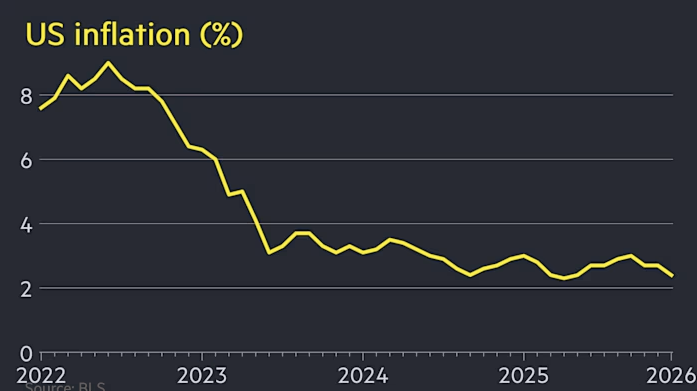
Financial Times – US inflation falls more than expected to 2.4% in January
______
2. Defense AI Unicorn Shield AI in Talks for $1 Billion Raise
Defense technology startup Shield AI is in advanced discussions to raise as much as $1 billion in a funding round that would more than double its valuation to between $11 billion and $12 billion in less than a year. The massive deal underscores the intense investor appetite for artificial intelligence applications within the global defense sector as nations ramp up spending to modernize their militaries. Shield AI specializes in its Hivemind autonomy software, which enables unmanned systems like drones and fighter jets to operate independently in GPS-denied or communications-degraded environments. The San Diego-based company currently counts Andreessen Horowitz, Sequoia Capital, and defense prime L3Harris among its high-profile backers.
The fundraising comes amid significant hardware milestones, including the recent unveiling of X-BAT, an autonomous fighter jet capable of vertical takeoff and landing (VTOL). Designed to operate without runways, the X-BAT aims to deliver fifth-generation combat capabilities at a fraction of the cost. Additionally, the firm’s flagship V-BAT drone has seen extensive deployment with the U.S. Navy and Marine Corps, and has completed hundreds of missions in Ukraine, proving resilient against advanced electronic warfare. Recently, Shield AI expanded its international footprint through strategic partnerships with Singapore’s ST Engineering and the Indian Army.
Should the deal close at the rumored terms, Shield AI would solidify its position as the second-most valuable private defense tech firm in the U.S., trailing only Anduril Industries.

Bloomberg – Shield AI in Talks to Raise $1 Billion at $12 Billion Valuation
______
3. Bitcoin Tests Critical $60,000 Support
As Bitcoin struggles to regain momentum, several market indicators suggest that a breach of the $60,000 level could unleash a fresh bout of extreme turbulence. According to data from Deribit, the largest cluster of bets in the options market consists of contracts that pay off if the price falls below $60,000. Additionally, technical analysts view the 200-week moving average—currently sitting just above $58,000—as a crucial floor for the token’s long-term trend.
Maxime Seiler, CEO of digital-asset trading firm STS Digital, warned that many Bitcoin-backed loans are structured to trigger automatic collateral sales as prices approach these levels. This forced selling could drive prices lower, fueling a cascade of leverage unwinding across the ecosystem. Bitcoin recently flirted with the $60,000 mark before a modest recovery to around $67,000. Despite a pro-crypto administration in Washington, the asset remains nearly 50% below its October peak of over $126,000, weighed down by fears of Federal Reserve balance sheet tightening and net outflows from spot ETFs.
Analysts emphasize that $60,000 serves as a vital firewall for market sentiment; a breakdown could lead to a sharp rise in volatility as liquidations accelerate and traders rush to hedge downside exposure.
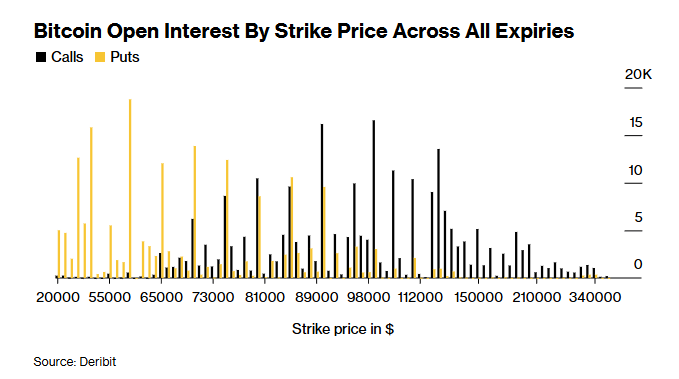
Bloomberg – Bitcoin Falling to $60,000 Could Spark Fresh Liquidation Spiral
______
4. Amazon Shares Track Longest Losing Streak in Two Decades
Amazon.com Inc. is on track for its longest streak of daily losses in nearly 20 years as investors continue to penalize the e-commerce and cloud giant for its massive capital expenditure plans. Shares fell 0.8% in the latest session, marking a potential ninth straight day of declines—the longest such run since July 2006. Over this period, the stock has slumped more than 18%, erasing over $470 billion in market valuation and trading at its lowest level since last May.
The sell-off intensified after Amazon revealed plans to spend $200 billion on data centers, chips, and AI infrastructure in 2026, a figure that blew past the Wall Street consensus of $146 billion. Anthony Saglimbene, chief market strategist at Ameriprise, noted that investors are increasingly viewing negative cash flow risks as a major red flag. This cautious sentiment extends across Big Tech, with the “Big Four”—Amazon, Alphabet, Microsoft, and Meta—forecasting a staggering combined capital expenditure of approximately $650 billion for 2026.
While Amazon CEO Andy Jassy defended the strategy by citing record demand for AWS and AI workloads, the market remains skeptical about the timeline for realizing returns on these unprecedented investments amid tightening margins.
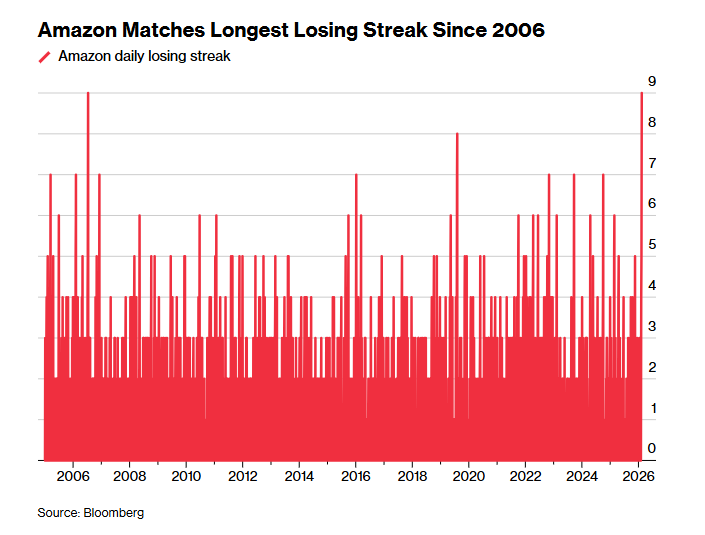
Bloomberg – Amazon Eyes Longest Losing Streak Since 2006 on Capex Angst
______
5. Goldman Sachs Top Lawyer Kathy Ruemmler Resigns Over Epstein Ties
Kathy Ruemmler, the Chief Legal Officer and General Counsel of Goldman Sachs, has announced her resignation and will depart the firm on June 30. The move marks the end of a protracted controversy following the U.S. Department of Justice’s release of millions of pages of documents related to the late sex offender Jeffrey Epstein, in which Ruemmler’s name appeared thousands of times. The files provided a detailed account of her multi-year interaction with Epstein, showing she accepted tens of thousands of dollars in luxury gifts and used affectionate nicknames like “sweetie” and “Uncle Jeffrey” in correspondence. While Goldman Sachs had long defended Ruemmler, stating that executives were briefed on her background prior to her hiring in 2020, the mounting public and media pressure ultimately led her to step down to prevent the scrutiny from becoming a “distraction” to the firm.+3
Goldman CEO David Solomon confirmed he had accepted her resignation and respected her decision to put the bank’s interests first. Ruemmler joins a growing list of prominent leaders in finance, politics, and academia who have been forced to step down due to revealed ties with Epstein. The recently unsealed records showed that Ruemmler’s interactions with Epstein continued long after his 2008 conviction, including instances where she offered advice on handling media inquiries regarding his past crimes.
Her departure comes as Goldman Sachs prioritizes reputation management in a hyper-transparent regulatory landscape, signaling a zero-tolerance approach toward executive-level reputational risks.
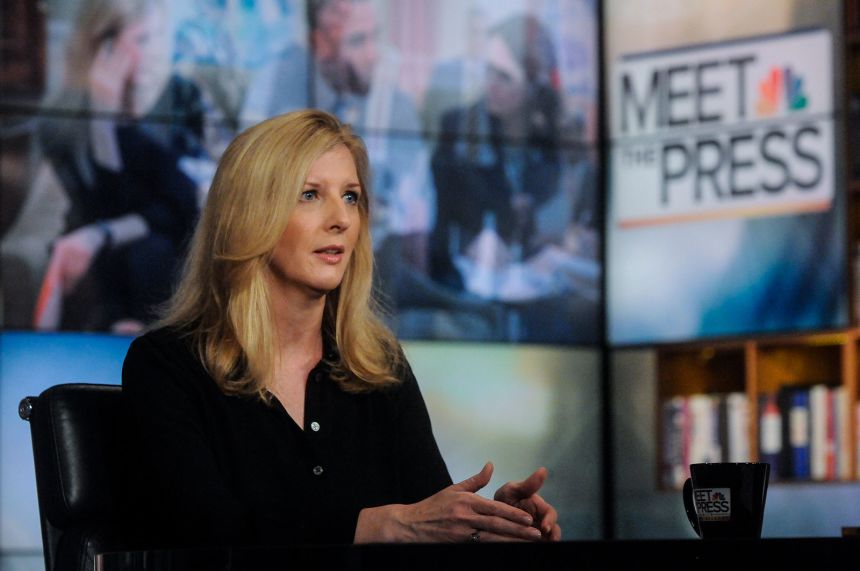
Bloomberg – Goldman’s Top Lawyer Ruemmler to Leave Over Epstein Ties
______
6. SpaceX Weighs Dual-Class Shares for Historic IPO
SpaceX is considering a dual-class share structure for its planned initial public offering later this year, according to sources familiar with the matter. The two-tier arrangement would grant select shareholders enhanced voting power, allowing billionaire founder Elon Musk to maintain dominant control over strategic decisions even with a minority equity stake. The strategy mirrors a governance approach Musk previously floated for Tesla Inc. As part of its IPO readiness, the rocket and satellite manufacturer is also expanding its board of directors to steer the public listing and drive expansion beyond its core aerospace missions.
The company aims to raise as much as $50 billion in the offering, which would position it as the largest IPO in history. The fresh capital is earmarked for ambitious projects including the construction of AI data centers in orbit and a manufacturing facility on the moon. Earlier this month, SpaceX officially acquired Musk’s AI venture xAI, transforming the company into a vertically integrated platform combining space-based internet, heavy-lift rockets, and frontier artificial intelligence. Musk has emphasized that space-based data centers can bypass terrestrial energy constraints by leveraging near-continuous solar power and orbital cooling.
With the merger complete, the combined entity’s private market valuation has surged to $1.25 trillion, while reports suggest the company is targeting a $1.5 trillion valuation for its public debut.

Bloomberg – SpaceX Is Said to Weigh Dual-Class Shares in IPO to Empower Musk
______
7. Cooling Crypto Market Pressures Coinbase
Coinbase Global Inc. reported that its fourth-quarter revenue tumbled 20% to $1.8 billion, missing analyst estimates as falling token prices drained trading activity. The company posted a net loss of $667 million, a sharp reversal from the $1.3 billion profit recorded in the same period a year ago. The loss was primarily driven by a $718 million unrealized markdown on its crypto investment portfolio and strategic holdings, including its stake in Circle. While CEO Brian Armstrong emphasized the firm’s $11.3 billion cash reserves and record subscription revenue, Coinbase shares have declined nearly 40% year-to-date, reflecting the severe pressure on even the most diversified exchanges.
The results come as Bitcoin remains nearly 50% below its October high, leaving retail traders on the sidelines and reviving fears of a sustained market downturn. This cycle of retrenchment is evident across the industry: rival exchange Gemini recently announced plans to cut 25% of its workforce and exit markets in the UK, EU, and Australia to focus on prediction markets. Meanwhile, Kraken saw the departure of its CFO alongside sequential revenue declines, and Robinhood reported a 38% year-over-year drop in crypto-related revenue.
Analysts suggest the shift from retail speculation to institutional infrastructure persists, forcing exchanges to consolidate operations and scale back international ambitions to maintain profitability during the current “crypto winter.”

Bloomberg – Coinbase Posts $667 Million Net Loss, Revenue Declines 20%
______