1. China to Inject ¥1 Trillion to Support Real Estate
2. Brooklyn Property Investment Volume Halved
3. Michael Burry Bets Against Semiconductors
4. US CPI Rises Less Than Expected in October
5. China and US to Crack Down on Fentanyl Trade
6. Luxury Watch Price Index Hits Two-Year Low
7. Jewish Students Sue NYU for Campus Antisemitism
1. China to Inject ¥1 Trillion to Support Real Estate
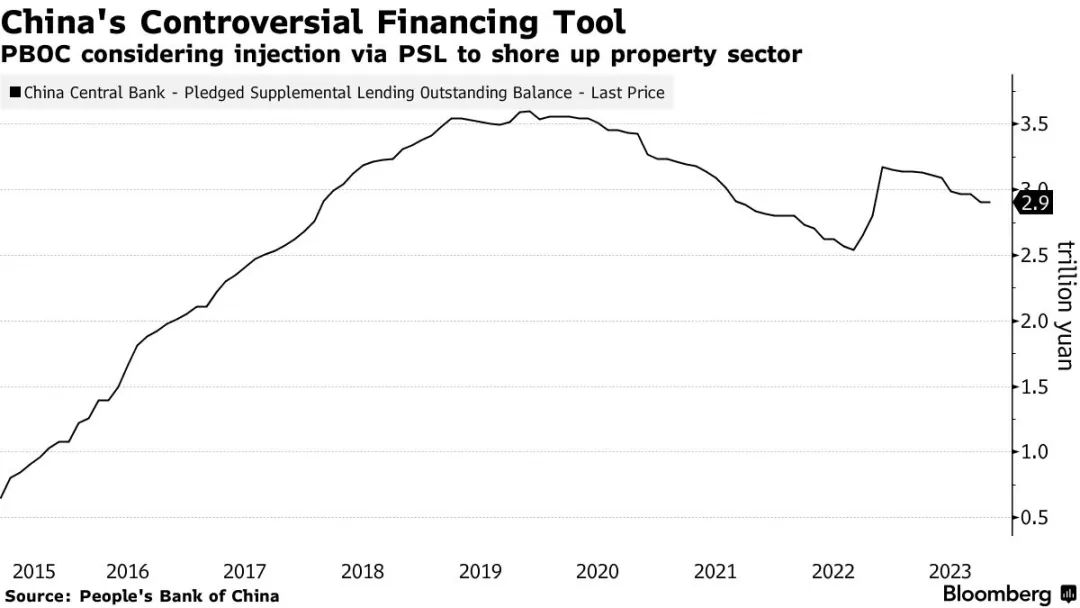
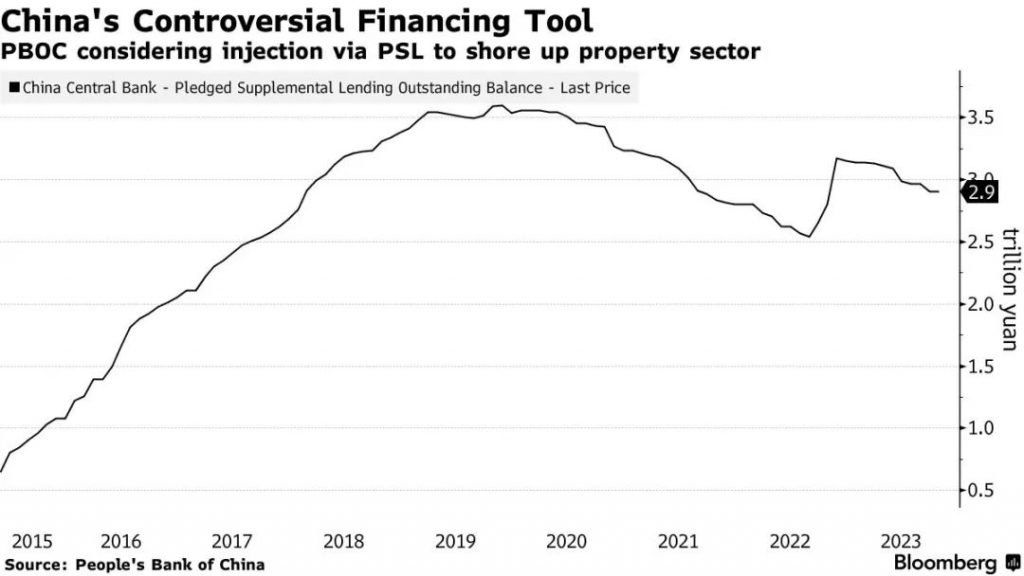
Sources reveal that the People’s Bank of China (PBOC) will inject ¥1 trillion ($137 billion) into the economy through pledged supplementary lending (PSL).
The funds will be lent to developers renovating or demolishing old housing in low-income areas. These developers will use the loans to buy land from local governments, who in turn will compensate families displaced by demolition — allowing them to purchase new or secondhand homes.
Facing the worst property crisis in decades, this is a major move by the Chinese government to revive the market.
Following the news, China’s 10-year government bond yield jumped 1.75 basis points to 2.6625%, its largest increase in three weeks.
______
2. Brooklyn Property Investment Volume Halved
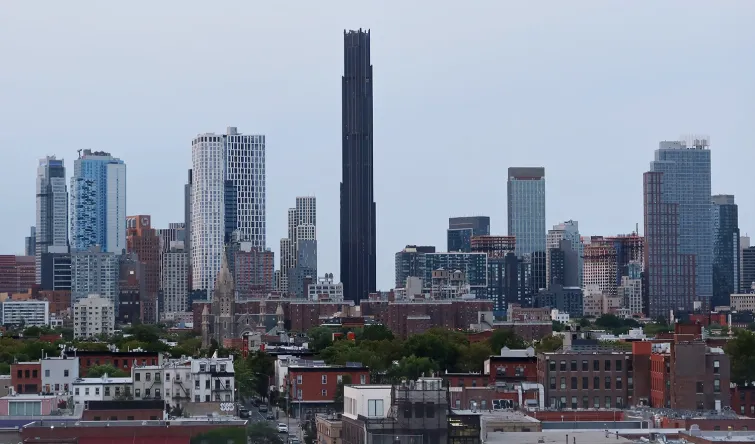
According to a new report by TerraCRG, commercial property investment volume in Brooklyn fell 27% quarter-over-quarter and 50% year-over-year as of the end of September.
In Q3, 274 investment properties changed hands for a total of $1.1 billion. Year-to-date, there were 834 transactions — down 31% from 2022.
TerraCRG’s Dan Marks noted that a decade ago, Brooklyn’s annual investment totaled $1 billion — now that much is seen in just one quarter.
Office and industrial properties saw the steepest declines, with investment down 73% year-over-year.
______
3. Michael Burry Bets Against Semiconductors
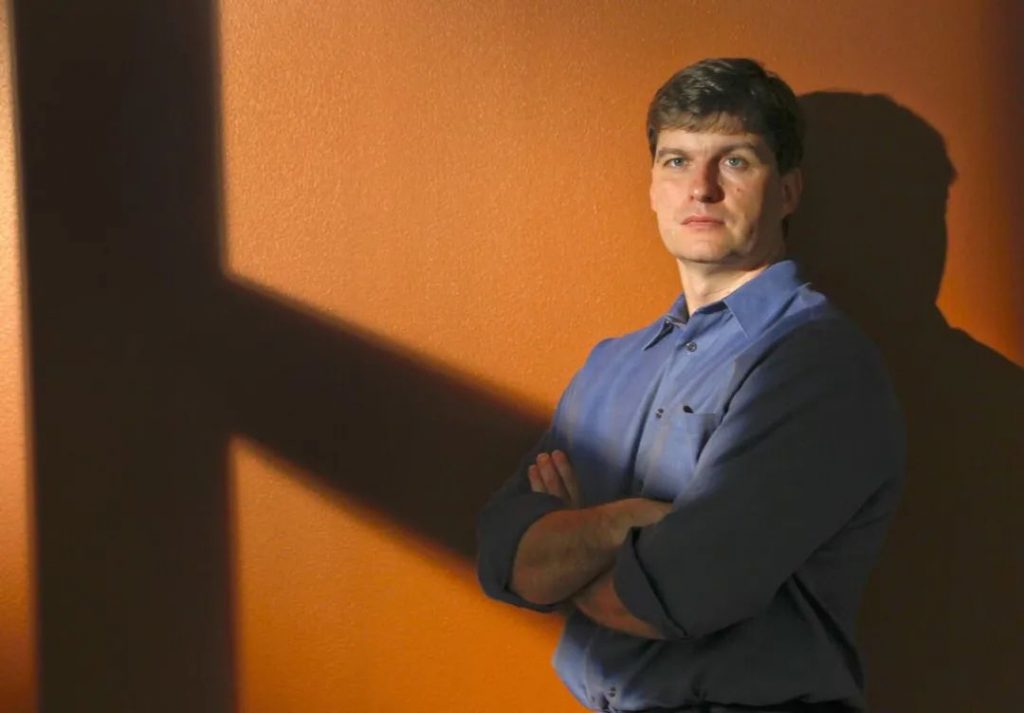
SEC filings revealed that Michael Burry’s Scion Asset Management is shorting semiconductor stocks, including Nvidia.
Recently, Scion closed out more than 20 stock and ETF positions and bought put options on the iShares Semiconductor ETF worth $47.4 million.
In Q2, the firm also opened long positions on Alibaba and JD.com. Over the same period, Alibaba rose 4.1%, while JD.com fell 15%.
Scion’s largest current holding is Stellantis NV, valued at $7.65 million.
______
4. US CPI Rises Less Than Expected in October
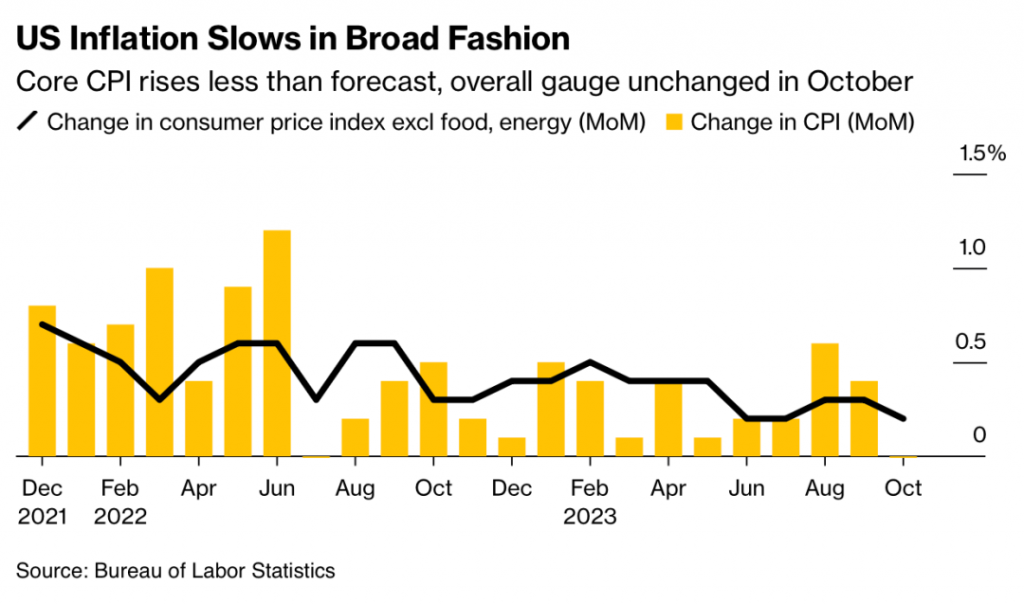
The US government reported that the Consumer Price Index (CPI) rose 3.2% year-over-year in October, while core CPI rose just 0.2% from September — both below expectations.
Inflation has clearly cooled from last year’s 40-year highs, prompting speculation that the Fed may be done tightening monetary policy.
The S&P 500 jumped 2% on the news, and US Treasuries also rallied. More traders now expect the Fed to cut rates in the first half of 2024.
Wells Fargo economists say several more months of soft inflation data are needed to confirm the trend.
______
5. China and US to Crack Down on Fentanyl Trade
Sources say that during the summit in San Francisco this week, Presidents Xi Jinping and Joe Biden agreed to jointly investigate companies exporting fentanyl precursors and curb the spread of the deadly drug.
Fentanyl is 50 times more potent than heroin and has caused hundreds of thousands of deaths in the US. The agreement is a milestone in Biden’s efforts to combat fentanyl trafficking.
The two leaders will hold a four-hour meeting ahead of the APEC forum, covering topics such as Taiwan and trade restrictions.
Both sides hope to ease bilateral tensions, making this summit an important step forward.

______
6. Luxury Watch Price Index Hits Two-Year Low
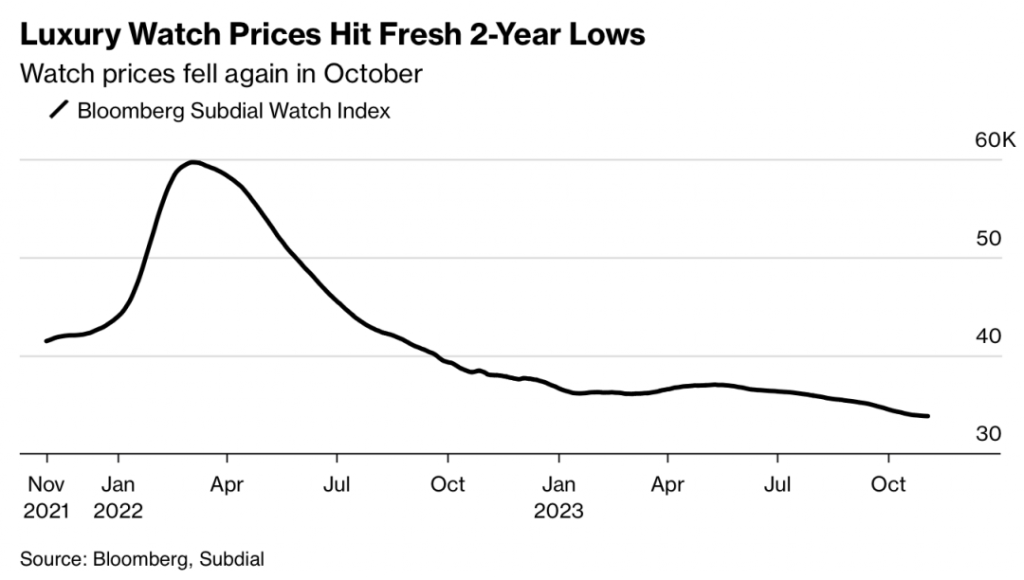
In October, Bloomberg’s Subdial Watch Index fell 1.8% to its lowest level since 2021. The index tracks secondary-market prices of the 50 most traded watches. Prices have dropped 42% since peaking in April 2022.
During the pandemic, brands like Rolex, Patek Philippe, and Audemars Piguet saw booming demand and record-breaking prices.
But rising interest rates and economic uncertainty have curbed luxury spending, hitting high-end watches particularly hard.
UK trading platform Subdial’s founder said inventory is piling up and prices could fall further.
______
7. Jewish Students Sue NYU for Campus Antisemitism
Three Jewish students sued New York University, alleging the school failed to protect them from escalating antisemitism.
The students claim NYU has long known about antisemitic incidents on campus but took no meaningful action.
Leadership at Harvard, Columbia, Cornell, and the University of Pennsylvania have also faced similar complaints and criticism.
Under Title VI of the 1964 Civil Rights Act, schools are required to protect students from harassment and discrimination.

______
This content is sourced from Financial Times, Bloomberg, and The Real Deal, among other financial news outlets.