—— Andrew Mountbatten-Windsor Arrested on 66th Birthday; Walmart Issues Underwhelming Full-Year Guidance; US 2025 Trade Deficit Hits $901.5 Billion; US Pending Home Sales Unexpectedly Slip 0.8% in January; Amazon Officially Dethrones Walmart as World’s Revenue Leader; Blue Owl Tumbles After Freezing Withdrawals at Private Credit Fund; Hochul Withdraws Robotaxi Proposal
1. Andrew Mountbatten-Windsor Arrested on 66th Birthday
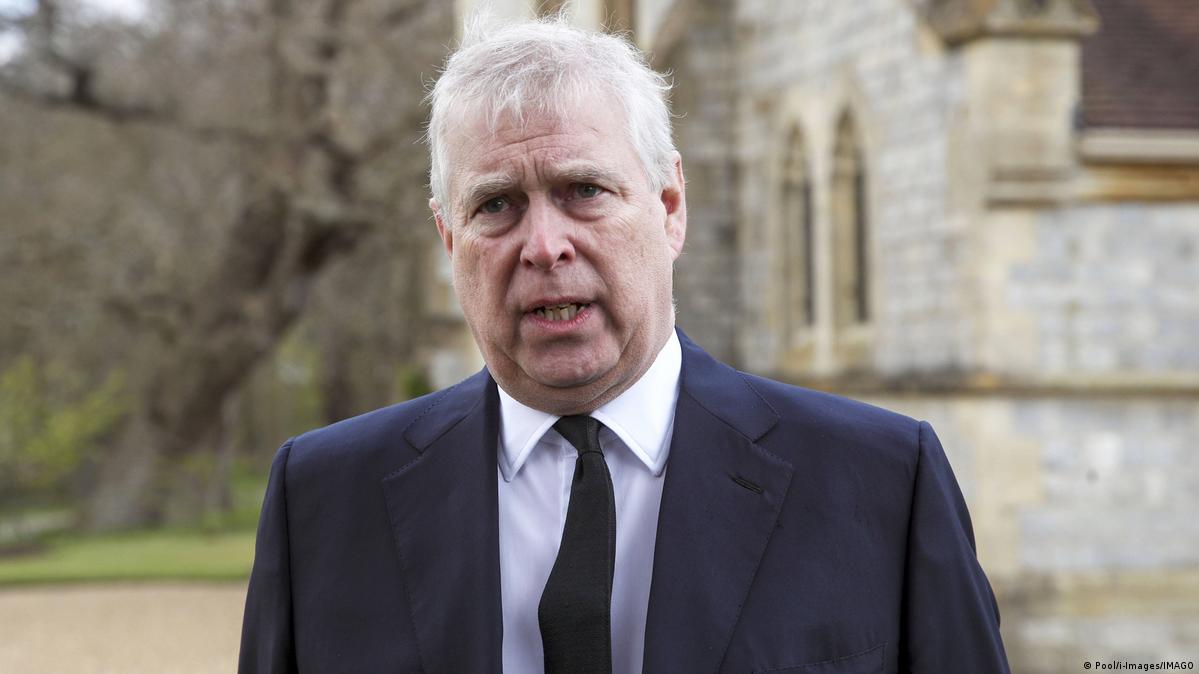
Thames Valley Police confirmed the arrest of Andrew Mountbatten-Windsor on Thursday on suspicion of misconduct in public office. The younger brother of King Charles III was detained at Wood Farm on the Sandringham estate, marking the first time a member of the British royal family has been arrested since the 17th century. The move follows the recent release of millions of pages of documents from the U.S. Department of Justice’s investigation into the late sex offender Jeffrey Epstein. These files reportedly contain emails suggesting that during his tenure as the UK’s special trade envoy between 2001 and 2011, the former prince shared confidential government briefings regarding international trade missions with Epstein.
King Charles III issued a statement expressing his “deepest concern” over the development, asserting that “the law must take its course” and promising full cooperation from Buckingham Palace. The monarch had already stripped Andrew of his royal titles and evicted him from Royal Lodge last year in an effort to distance the crown from the escalating scandal. Anti-monarchy group Republic filed a formal complaint earlier this month, alleging that the unearthed correspondence provided evidence of a serious abuse of power.
While Andrew has consistently denied any wrongdoing, the police have launched searches at properties in Berkshire and Norfolk as part of an active investigation into whether public office responsibilities were neglected or wilfully abused.
Bloomberg – Former Prince Andrew Arrested on Suspicion of Misconduct
______
2. Walmart Issues Underwhelming Full-Year Guidance
Walmart Inc. issued a full-year earnings forecast on Thursday that fell short of Wall Street’s heightened expectations, citing unpredictable trade conditions and labor market shifts. The retail giant expects adjusted earnings for the new fiscal year to range between $2.75 and $2.85 per share, trailing the analyst consensus of $2.97. Despite a strong performance in the fourth quarter—where revenue hit $190.66 billion and adjusted EPS reached $0.74, both beating estimates—the cautious outlook weighed on investor sentiment. Walmart shares dropped 3.4% in New York premarket trading following the announcement.
The report marks the first major update under new CEO John Furner, who officially took the helm on Feb. 1. Walmart’s stock has climbed 14% this year, fueled by its AI-led transformation and a high-profile partnership with OpenAI, which helped push its market capitalization past the historic $1 trillion mark on Feb. 3. CFO John David Rainey noted in an interview that the company believes it is “prudent to be somewhat measured” given the lofty expectations and competitive landscape.
To bolster shareholder confidence, Walmart also announced a fresh $30 billion share repurchase authorization and raised its annual dividend to $0.99 per share, signaling a continued focus on returning capital even as it navigates a fragile consumer environment and intensifying rivalry with Amazon.
Bloomberg – Walmart Offers Cautious Profit Guide on Trade, Labor Worries
______
3. US 2025 Trade Deficit Hits $901.5 Billion
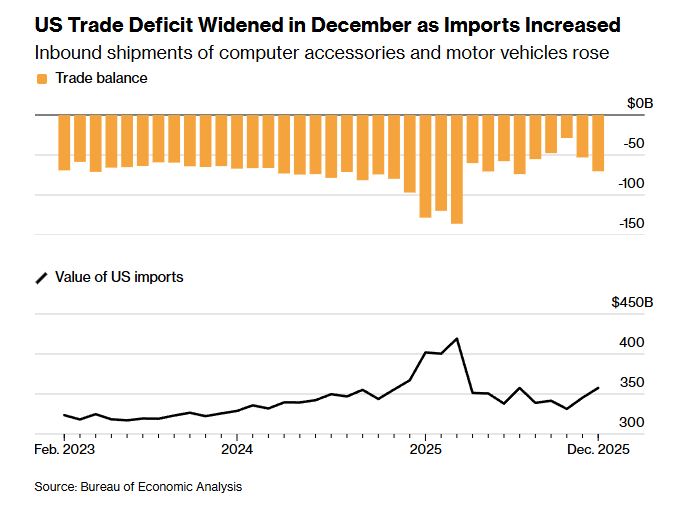
The US trade deficit widened to $70.3 billion in December, according to Commerce Department data released Thursday, capping a turbulent year defined by erratic tariff policies. The full-year deficit for 2025 totaled $901.5 billion, slightly lower than the $903.5 billion recorded in 2024 but remaining one of the largest shortfalls since records began in 1960. The December jump reflected a 3.6% increase in imports to $357.6 billion, while exports of goods and services fell 1.7% to $287.3 billion, far exceeding the median economist estimate of a $55.5 billion gap.
Trade data remained exceptionally volatile throughout 2025 as importers reacted to consistent tariff announcements from President Donald Trump. A massive surge in front-loading ahead of the April “Liberation Day” tariffs caused a sharp peak early in the year, followed by a contraction and a subsequent late-year rebound. In December, increased imports of computer accessories and motor vehicles drove the widening gap, while the decline in exports was largely attributed to a drop in gold shipments. While the President claimed on social media that tariffs have drastically reduced the deficit, analysts noted that high levels of AI-related investment—totaling an extra $145 billion in computer imports over 2024—and resilient consumer demand have kept the shortfall near historic highs.
Markets are now awaiting a Supreme Court ruling on the legality of the current tariff regime.
Bloomberg – US Notches One of Its Biggest Annual Trade Deficits Since 1960
______
4. US Pending Home Sales Unexpectedly Slip 0.8% in January
Pending sales of existing homes in the US fell 0.8% in January, missing economist expectations of a 2% rebound and highlighting a persistent malaise in the housing market. According to National Association of Realtors (NAR) data released Thursday, the index dropped to 70.9 following a revised 7.4% slump in December 2025. NAR Chief Economist Lawrence Yun noted that while mortgage rates nearing 6% have theoretically qualified an additional 5.5 million households for homeownership, improved affordability conditions have yet to induce a meaningful uptick in contract signings.
The weak January reading—coupled with a sharp 8.4% drop in actual home closings—signals a rocky start for the critical spring selling season. Although the national average 30-year fixed mortgage rate has settled at approximately 6.18%, its lowest point since September 2022, buyers remain unmotivated by slow price growth and constrained inventory. Market analysts warn that without a significant increase in housing supply, any surge in demand could perversely trigger further price hikes rather than a volume recovery. The market currently exhibits a sharp divide: while the luxury segment remains resilient, first-time homebuyers have dropped to a record low of 21% of the market.
Given that pending sales typically lead closings by one to two months, the outlook for a robust housing rebound in the first half of 2026 remains increasingly fragile.

Bloomberg – US Pending Home Sales Fall Again in January as Buyers Sit Tight
______
5. Amazon Officially Dethrones Walmart as World’s Revenue Leader
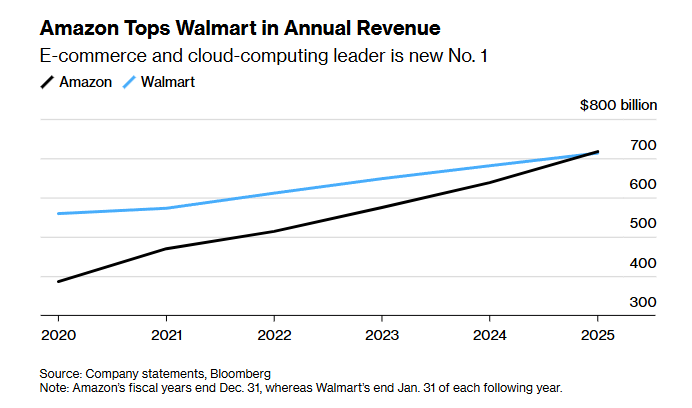
Amazon.com Inc. has officially surpassed Walmart Inc. as the world’s largest company by revenue, ending the retail giant’s 13-year reign at the top. The milestone highlights the staggering evolution of the company since Jeff Bezos founded it in 1994 as a garage-based online bookstore. While Walmart reported $713.2 billion in sales for the 12 months ending January 31, Amazon’s earlier report of $717 billion in 2025 revenue secured its position as the global leader. Despite Bezos having closely modeled many of his strategies on Walmart founder Sam Walton, Amazon’s growth over the past decade has outpaced its rival’s by nearly 10 times.
The divergence in revenue reflects Amazon’s success in diversifying beyond retail into high-margin technology services. Amazon Web Services (AWS) alone generated nearly $129 billion in 2025, providing more than half of the company’s operating profit. Without the contribution of AWS, Amazon’s retail-specific revenue would be approximately $588 billion, leaving Walmart as the dominant shopping leader. While Walmart remains the world’s largest physical retailer with over 10,000 global locations and a surging e-commerce business of its own, Amazon’s massive investments in AI and data centers are expected to widen the gap.
Currently, Amazon’s market capitalization exceeds $2.5 trillion, significantly ahead of Walmart, which recently surpassed the $1 trillion valuation milestone.
Bloomberg – Amazon Dethrones Walmart as World’s Biggest Company by Sales
______
6. Blue Owl Tumbles After Freezing Withdrawals at Private Credit Fund
Shares of alternative asset manager Blue Owl Capital Inc. plunged as much as 9.4% on Thursday, nearing a two-year low, after the firm permanently restricted redemptions from one of its retail-focused private credit funds. The New York-based firm announced Wednesday that investors in Blue Owl Capital Corp II (OBDC II) will no longer be allowed to redeem shares on a quarterly basis. Instead, the fund will return capital through periodic distributions funded by loan repayments or asset sales. To facilitate this liquidity shift, Blue Owl has already offloaded approximately $1.4 billion in direct-lending investments across three of its funds to North American pension and insurance investors at 99.7% of par value.
The move underscores the growing liquidity risks within the $1.8 trillion private credit market, particularly as retail-oriented vehicles face heightened scrutiny. Blue Owl has been under pressure to provide a liquidity event for OBDC II by April 2026 or 2027 following the collapse of a proposed merger last year due to investor backlash. Adding to the unease is the firm’s significant exposure to the software sector, where a 13% concentration has sparked fears that AI-driven disruption could undermine borrower valuations and debt-servicing capabilities.
The fallout spread across the sector on Thursday, dragging down shares of Apollo, Blackstone, and KKR. Economist Mohamed El-Erian described the move as a potential “canary-in-the-coalmine” moment, suggesting that a significant valuation hit may be looming for specific private credit assets.
Bloomberg – Blue Owl Drops as Redemption Halt Stirs Private Credit Concern
______
7. Hochul Withdraws Robotaxi Proposal
Nvidia Corp. has sold off the last of its stake in chip technology firm Arm Holdings Plc, completing a divestment of 1.1 million shares during the fourth quarter of 2025. Based on Arm’s recent closing price, the sale was valued at approximately $140 million and brings Nvidia’s ownership to zero. The move officially closes the book on a tumultuous relationship that began in 2020 with Nvidia’s failed $40 billion takeover attempt. While the equity position is closed, CEO Jensen Huang emphasized that Nvidia remains a long-term partner and “proud licensee” of Arm’s foundational architecture.+1
Nvidia’s latest regulatory filings reveal a calculated pivot in its investment strategy, shifting away from chip architecture ownership toward securing its AI infrastructure supply chain. The firm’s U.S. stock portfolio reached $13.15 billion at year-end, characterized by high concentration in just five key holdings. Most notably, Nvidia established a massive $7.9 billion position in Intel Corp., accounting for over 60% of its portfolio—a move seen as a strategic backing of Intel’s foundry business to ensure future GPU manufacturing capacity. Additionally, Nvidia increased its stakes in EDA leader Synopsys and networking giant Nokia, while pumping an extra $2 billion into AI cloud provider CoreWeave in January 2026.
These shifts indicate that Nvidia is prioritizing partnerships with infrastructure and design-tool providers over financial stakes in rival chip designers.
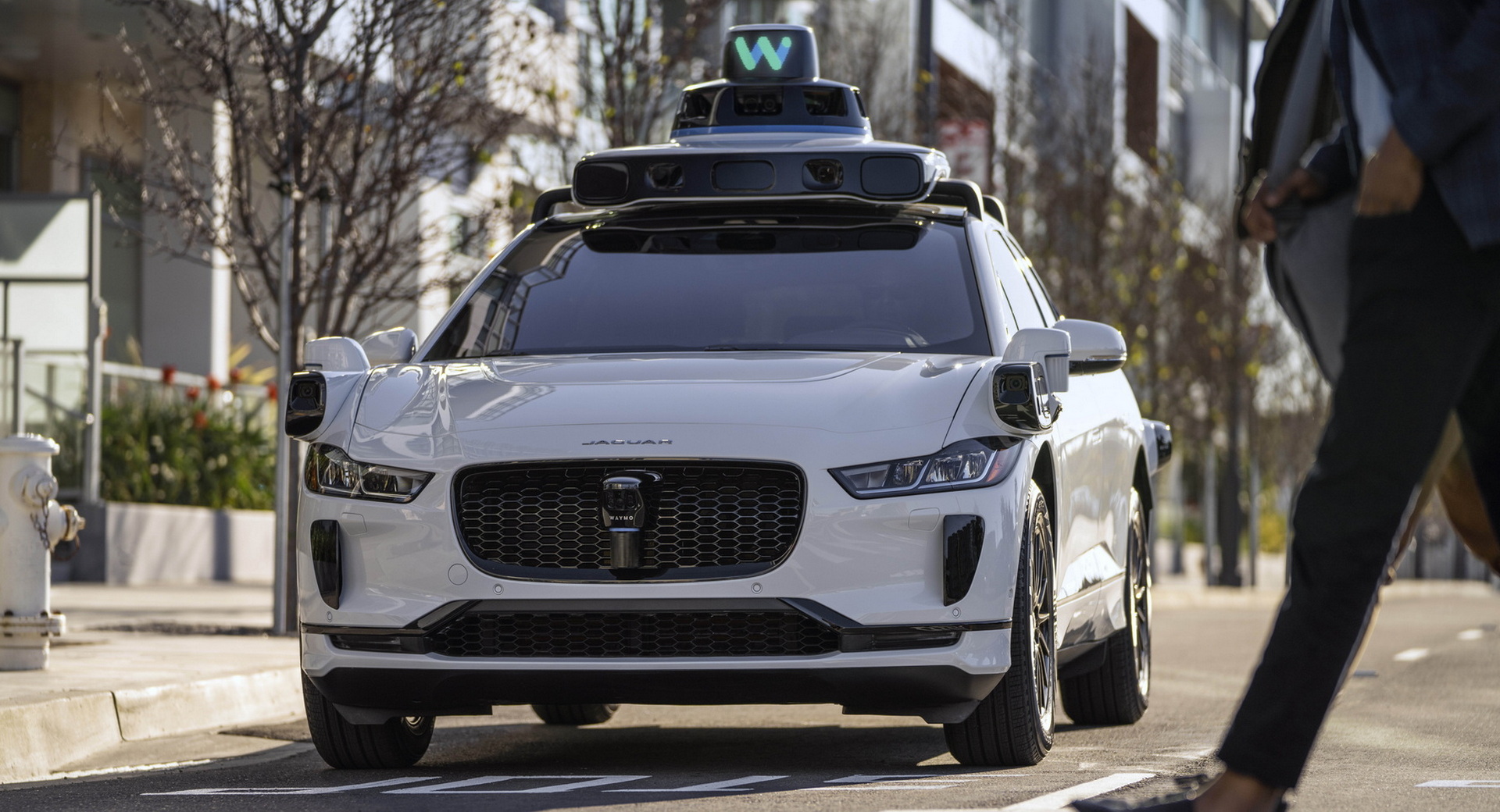
Bloomberg – New York’s Robotaxi Plan Pulled in Blow to Waymo Expansion
______