—— US Job Openings Hit 14-Month Low in November as Hiring Softens; Trump Announces Venezuela to Transfer 50 Million Barrels of Oil to US; Gold and Silver Miners Raise Record $6.2 Billion via Share Sales Amid Price Rally; Trump Administration Unveils Dietary Overhaul; China Probes Meta’s $2 Billion Manus Acquisition Over Export Control Concerns; Blue Owl Lifts Redemption Cap to Meet Surging Private Credit Outflows; JPMorgan Wins London Gender Pay Dispute as Tribunal Dismisses Analyst’s Claims
1. US Job Openings Hit 14-Month Low in November as Hiring Softens
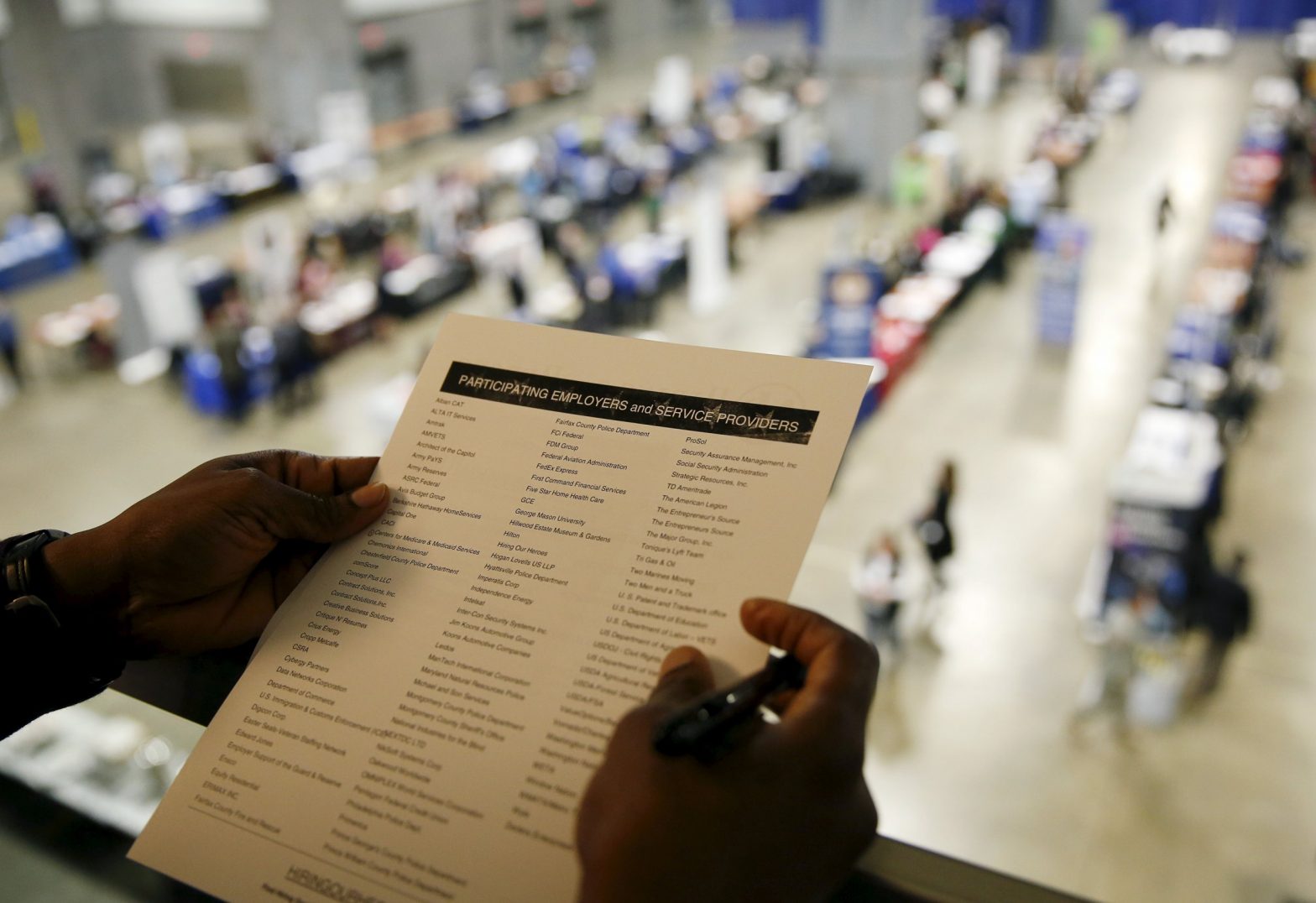
U.S. job openings fell in November to their lowest level since September 2024, signaling that employers are increasingly hesitant to expand headcounts amid economic cooling. Data from the Bureau of Labor Statistics (BLS) released Wednesday showed that available positions decreased to 7.15 million, down from a downwardly revised 7.45 million in October. The figure came in below all economist estimates in a Bloomberg survey.
The decline in vacancies was led by the leisure and hospitality, healthcare, and transportation and warehousing sectors. Hiring activity also slowed to its weakest pace since mid-2024, reinforcing a “low-hire, low-fire” dynamic in the labor market. While businesses are reluctant to add new staff, they are largely avoiding mass dismissals, as evidenced by layoffs falling to a six-month low in November.
Conversely, the report noted a slight uptick in voluntary quits within the construction and food services industries, suggesting pockets of resilience in worker confidence despite the broader stagnation in hiring.
Bloomberg – US Job Openings Decline to Lowest Level in More Than a Year
______
2. Trump Announces Venezuela to Transfer 50 Million Barrels of Oil to US
President Donald Trump announced late Tuesday that Venezuela will relinquish up to 50 million barrels of oil to the United States, a stockpile valued at approximately $2.8 billion at current market prices. The President stated that the crude would be sold, with proceeds managed to benefit both the American and Venezuelan people. The move follows the capture of Nicolas Maduro over the weekend and signals a rapid expansion of U.S. economic influence over the nation with the world’s largest crude reserves.
The strategic shift is a significant blow to China, which had previously been Venezuela’s primary oil buyer and key diplomatic ally. Trump noted in a social media post that the “High Quality” oil would be sold at market price under his direct oversight as President. The volumes mentioned represent roughly 30 to 50 days of Venezuelan production at recent levels.
Following the announcement, West Texas Intermediate (WTI) prices fell as much as 2.4%, trading near $56 a barrel as traders weighed the impact of increased U.S.-controlled supply on global markets.

Bloomberg – Trump Says Venezuela to Send Oil Worth Up to $2.8 Billion to US
______
3. Gold and Silver Miners Raise Record $6.2 Billion via Share Sales Amid Price Rally
Driven by a sustained rally in precious metal prices, gold and silver miners raised the most capital through equity offerings in over a decade last year. Data compiled by Bloomberg shows that companies listed on U.S. and Canadian exchanges raised over $6.2 billion in 2025, marking the highest volume in at least 12 years.
The surge in activity was dominated by small- and mid-cap miners eager to capitalize on the commodity upcycle to fund development projects. Hemlo Mining Corp. led the space with a $489.7 million deal in September, followed by significant raises from Perpetua Resources and Novagold Resources. In a sharp contrast, senior miners like Newmont Corp. and Barrick Mining Corp. remained on the sidelines.
Instead of issuing new stock at record-high prices, these industry giants leveraged their surging cash flows to execute share buybacks, favoring shareholder returns over market dilution.

Bloomberg – Gold, Silver Miners Sell Stock at Fastest Pace in Over a Decade
______
4. Trump Administration Unveils Dietary Overhaul
The Trump administration released its updated 2025-2030 federal Dietary Guidelines on Wednesday, marking a historic reset of U.S. nutrition policy. The center piece of the overhaul is the return of a revamped food pyramid, which has been flipped upside down to prioritize fruits, vegetables, healthy fats, and protein as the foundation of the American diet. This new visual replaces the “MyPlate” graphic that has been the federal standard since 2011, significantly demoting whole grains to a smaller, restricted tier.+1
The guidelines lean heavily into Health Secretary Robert F. Kennedy Jr.’s “Make America Healthy Again” (MAHA) agenda, urging citizens to “eat real food” while avoiding highly processed products. Key recommendations include a surge in protein consumption, the embrace of full-fat dairy and animal fats like beef tallow, and a strict “war on sugar” that limits added sugars to no more than 10 grams per meal and zero for children under 10. White House Press Secretary Karoline Leavitt characterized the document as a “science-driven” tool to combat chronic disease.
While some health experts remain skeptical of the emphasis on red meat and saturated fats, the administration maintains that these changes are essential to improving national health outcomes and reducing long-term healthcare spending.
Bloomberg – US Flips Food Pyramid to Promote Protein, Cut Added Sugar
______
5. China Probes Meta’s $2 Billion Manus Acquisition Over Export Control Concerns
Chinese regulators have launched an initial review into Meta Platforms Inc.’s $2 billion acquisition of AI startup Manus, investigating potential violations of national security and technology export regulations. Although Manus relocated its headquarters to Singapore in 2025, officials from China’s Ministry of Commerce are scrutinizing whether the core AI agent technology developed while the team was based in Beijing required a formal export license before being transferred abroad.
The investigation centers on Manus’s “General AI Agent” software, which gained global attention for its ability to autonomously execute complex tasks like coding and stock analysis. Beijing is reportedly concerned that a smooth closing of the deal could set a precedent for “Singapore washing,” where Chinese startups relocate physically to evade domestic oversight. While the probe is in its preliminary stages and may not escalate to a formal investigation, the requirement for an export license provides Beijing with significant leverage to delay, condition, or block the transaction.
This case marks a rare instance of a major U.S. firm acquiring an advanced AI startup with Chinese roots, further complicating the ongoing technological rivalry between Washington and Beijing.

Bloomberg – China Reviews Meta’s $2 Billion Deal to Buy AI Startup Manus
______
6. Blue Owl Lifts Redemption Cap to Meet Surging Private Credit Outflows
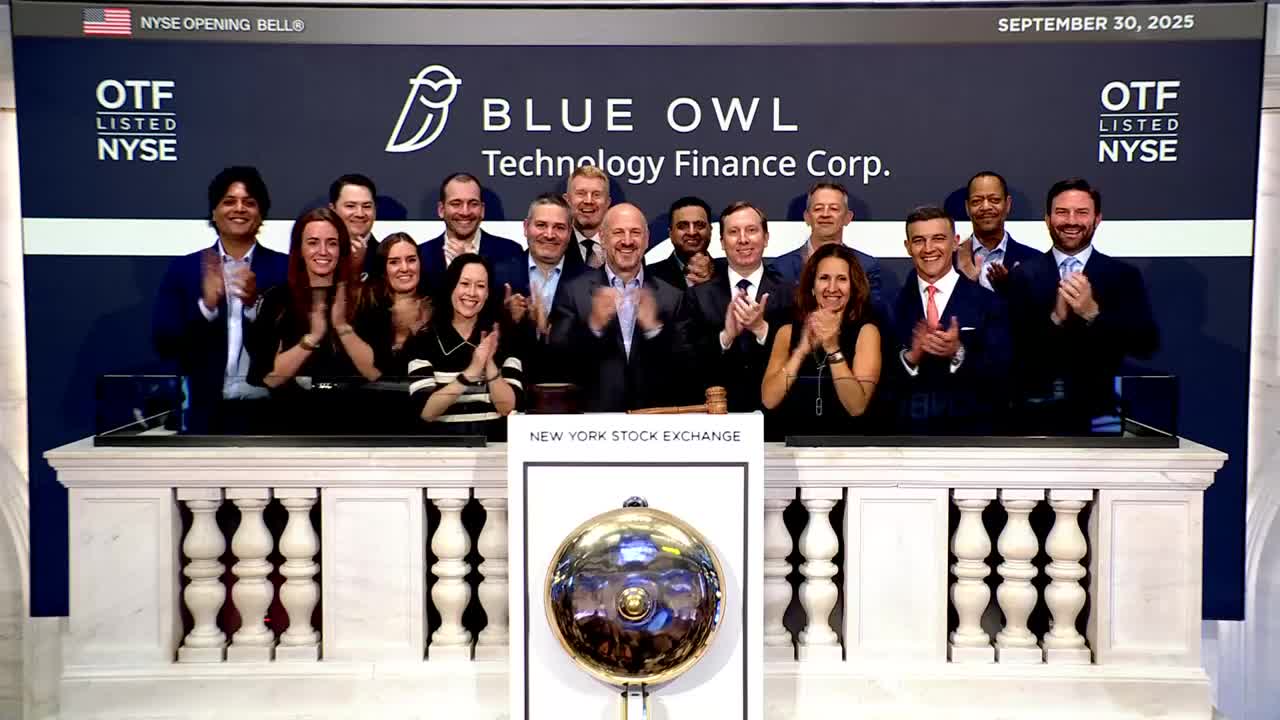
Blue Owl Capital Inc. is significantly increasing the amount of capital investors can withdraw from its primary technology-focused private credit fund following a spike in redemption requests. According to regulatory filings, the firm is allowing investors in Blue Owl Technology Income Corp. (OTIC) to redeem up to 17% of the fund’s net asset value—totaling approximately $685 million—dramatically higher than the standard 5% quarterly limit. The deadline for redemptions was also extended from December 31 to January 8.
Craig Packer, co-founder of Blue Owl, noted that while funds typically prorate redemptions that exceed 5%, Blue Owl chose to prioritize investor liquidity given its $2.4 billion in available cash and undrawn credit. This sharp pullback highlights growing unease within the private credit market, an asset class once lauded for its resilience but now facing pressure from lower return expectations and increased regulatory scrutiny.
Analysts at Goldman Sachs reported that average redemptions for non-traded BDCs hit 5% in the fourth quarter of 2025, up from a historical average of 2%, as the industry grapples with a wave of investor caution.
Bloomberg – Blue Owl BDC Allows for 17% Redemptions as Investors Storm Exit
______
7. JPMorgan Wins London Gender Pay Dispute as Tribunal Dismisses Analyst’s Claims
JPMorgan Chase & Co. has won a gender pay gap lawsuit in London after a tribunal judge dismissed all claims brought by a female analyst. Saidya Najeeb, who joined the bank in March 2022, alleged that she was paid less than a male peer in the same role and faced retaliation—including negative feedback and exclusion from events—after raising the issue with her managers.
In a concise judgment released on Wednesday, the judge ruled that Najeeb’s claims for equal pay, sex discrimination, and victimization were not “well-founded.” JPMorgan’s legal team had successfully argued that the pay disparity, which Najeeb estimated at roughly £5,000 to £8,000 annually, was based on legitimate factors such as industry experience and skills rather than gender. While London tribunals have intensified scrutiny on banking pay structures following a landmark £2 million award against BNP Paribas in 2022, this ruling reinforces the bank’s position on merit-based compensation.
According to 2024 government data, women in the UK finance sector still earn approximately 20% less than their male counterparts, highlighting a persistent structural gap across the industry.
Bloomberg – JPMorgan Wins Gender Pay Gap Dispute Against London Analyst
______