—— High Vehicle Prices Threaten to Dampen US Auto Sales in 2026; Gold Hits $4,400 as Maduro Ouster Fans Geopolitical Risk Amid Tech Rally; Saks Global Seeks $1 Billion Loan to Support Potential Chapter 11 Filing; Deutsche Bank Shares Trade Above Book Value for First Time Since 2008; Novo Nordisk Ignites Price War with Wegovy Weight-Loss Pill Launch; US Oil Stocks Surge as Trump Pledges Revival of Venezuelan Energy Sector; “Super Flu” Surge: US Influenza Levels Hit Post-Pandemic High
1. High Vehicle Prices Threaten to Dampen US Auto Sales in 2026
Record-high sticker prices are threatening to drive US auto sales into a decline this year as middle-class consumers pull back from the new-vehicle market. While total sales for 2025 are expected to exceed 16 million units—the best annual result since 2019—industry researcher Cox Automotive notes that the sales pace slowed significantly in the final quarter to an annualized rate of 15.6 million, a drop of over 5% from the third quarter.
The primary driver of this slowdown is growing angst among households earning less than $150,000 a year, who are being priced out by the high cost of living and expensive vehicle inventory. Cox Automotive forecasts that US auto sales will dip to 15.8 million vehicles in 2026, marking the industry’s first annual decline since 2022. The data highlights a widening economic divide: since 2019, new-car sales have surged 45% among households earning over $150,000, while plummeting 30% for those earning $75,000 or less. Many consumers are bypassing the new market entirely in favor of used vehicles.
Furthermore, the expiration of federal EV tax credits under the Trump administration and the uncertainty of new tariffs continue to weigh on the outlook, with S&P Global Mobility predicting a cautious 2026 as manufacturers struggle to balance affordability with rising policy-driven costs.
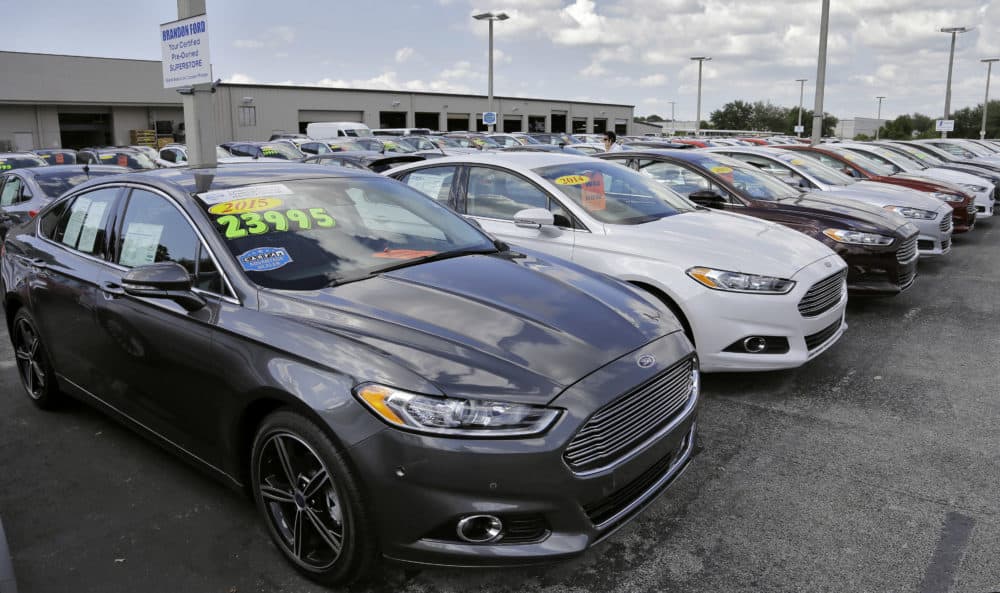
Bloomberg – US Auto Sales Poised to Slip as Middle-Class Buyers Retreat
______
2. Gold Hits $4,400 as Maduro Ouster Fans Geopolitical Risk Amid Tech Rally
Global markets reacted with a mix of caution and optimism on Monday following the ouster of Venezuelan President Nicolas Maduro. Gold prices climbed above $4,400 an ounce and silver jumped more than 3% as investors sought safety amid heightened geopolitical uncertainty. The US dollar also headed for its strongest gain since November. Despite these tensions, growth assets remained in high demand, with Nasdaq 100 futures rising 0.6% and semiconductor giants like Micron Technology and Intel gaining over 3% in premarket trading, fueled by the ongoing AI boom.
In the energy sector, Brent crude fluctuated as traders assessed the implications for global supply. Chevron shares surged over 7% in early trading following President Donald Trump’s proposal for a US-led revival of Venezuela’s oil industry. While Venezuela holds the world’s largest oil reserves, experts suggest it could take years of investment to significantly boost output from its dilapidated infrastructure. Meanwhile, acting president Delcy Rodríguez adopted a conciliatory tone, signaling a willingness to work with the Trump administration despite initial tensions.
Analysts suggest that while the situation adds headline risk, the market’s dominant narrative remains focused on big tech and AI optimism, which continue to overpower geopolitical concerns.
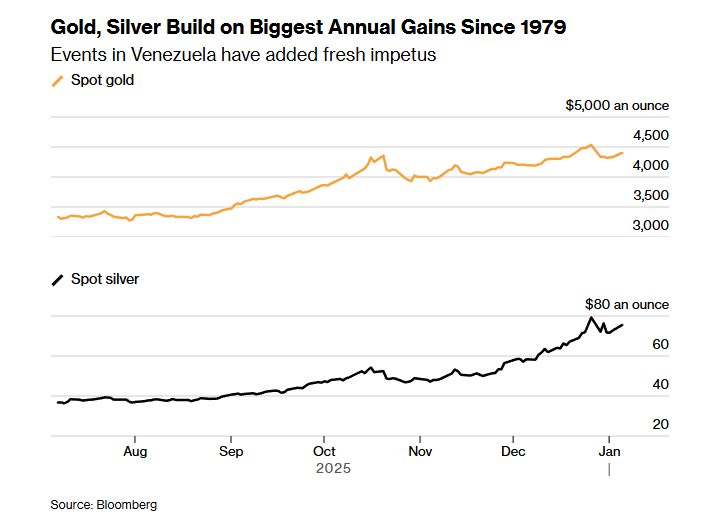
Bloomberg – Gold, Dollar Rise on Venezuela as AI Fuels Stocks: Markets Wrap
______
3. Saks Global Seeks $1 Billion Loan to Support Potential Chapter 11 Filing
Saks Global Enterprises is looking to secure a loan of as much as $1 billion to keep its business running during a potential Chapter 11 bankruptcy filing, which could happen in the coming weeks. The luxury retailer missed a $100 million interest payment due to bondholders on December 30, 2025, and is currently negotiating a forbearance with creditors to gain more time to finalize a financing agreement or a reorganization plan.
Bondholders have reportedly discussed a debtor-in-possession (DIP) loan structure that could include at least $750 million in new money and a potential roll-up of existing debt. This funding is intended to allow the New York-based company to continue operations after entering bankruptcy. The 150-year-old retailer’s liquidity shortfall reached a breaking point roughly a year after it raised billions of dollars to acquire Neiman Marcus.
Despite the ambitious turnaround strategy, persistent inventory issues and strained cash flow have pushed the company toward insolvency.
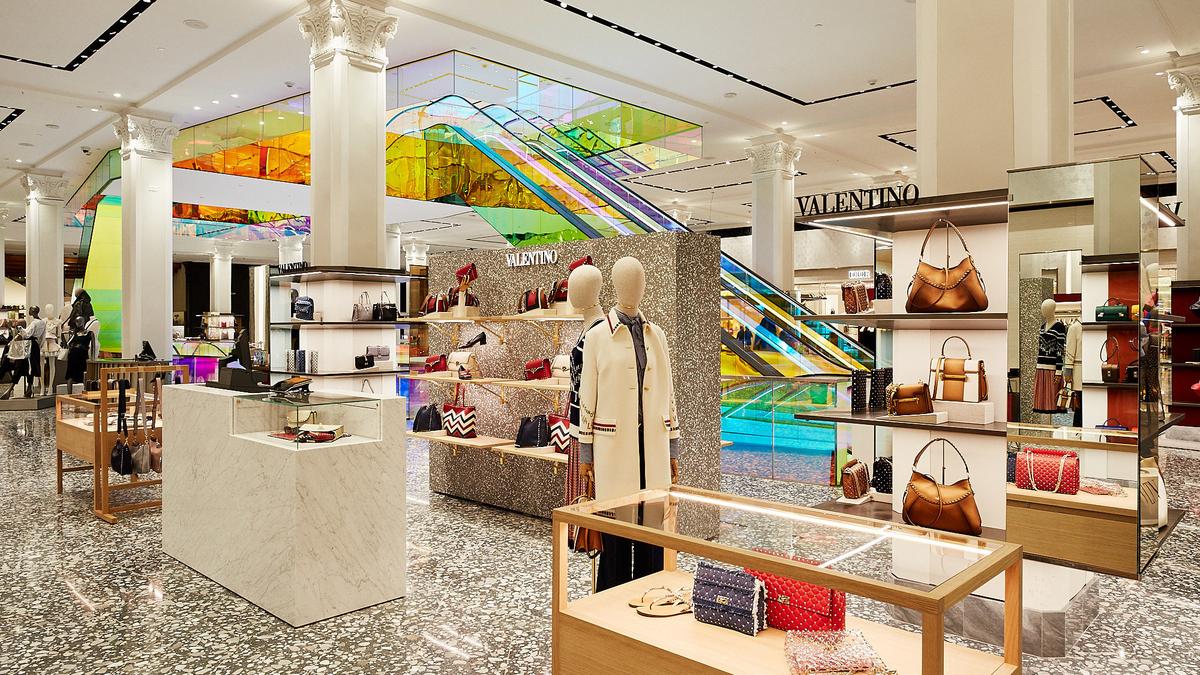
Bloomberg – Saks in Talks for $1 Billion Bankruptcy Loan to Keep Doors Open
______
4. Deutsche Bank Shares Trade Above Book Value for First Time Since 2008
Deutsche Bank shares rose to €33.95 in early trading on Monday, surpassing their reported book value for the first time since the start of the 2008 global financial crisis. This milestone marks a significant achievement in the turnaround of Germany’s largest lender following years of legal setbacks, writedowns, and intense restructuring. The price-to-book ratio is a critical valuation metric for banks, and trading above 1.0 reflects restored investor confidence in the firm’s assets and growth outlook.
Under CEO Christian Sewing, the bank has pursued a strategy to become a “European champion in banking” after hitting a low point in March 2020 when shares dropped below €5. Investor sentiment has gradually recovered during a three-year rally in European bank stocks. Deutsche Bank successfully resolved long-running legal battles, exited loss-making ventures like equities trading, and sharpened its focus on corporate banking and fixed-income trading.
In October, the lender reported its highest nine-month profits since 2007, with its market capitalization now reaching approximately €65 billion.
Financial Times – Deutsche Bank shares exceed book value for first time since 2008
______
5. Novo Nordisk Ignites Price War with Wegovy Weight-Loss Pill Launch
Danish drugmaker Novo Nordisk announced a major pricing offensive on Monday, offering the oral version of its weight-loss drug Wegovy at significantly lower rates to compete with rival Eli Lilly. In the U.S., the 1.5mg and 4mg starter doses will be available for $149 a month until April, when the 4mg dose will increase to $199. Patients with insurance coverage could pay as little as $25. Higher doses of 9mg and 25mg are priced at $299 per month.
These prices represent a steep discount compared to the injectable versions of Wegovy and Lilly’s Zepbound, which currently retail for over $1,000 monthly. While the Wegovy pill requires daily administration on an empty stomach with specific waiting periods before eating, clinical trials showed it achieved an average weight loss of 17 percent over 64 weeks. The move comes as the industry prepares for the launch of Lilly’s oral drug, orforglipron, and the proposed TrumpRx federal purchasing platform.
Analysts view this aggressive pricing as a strategic race to capture market share among overweight and obese populations before competitors arrive. Shares in Novo Nordisk rose more than 2 percent following the announcement.
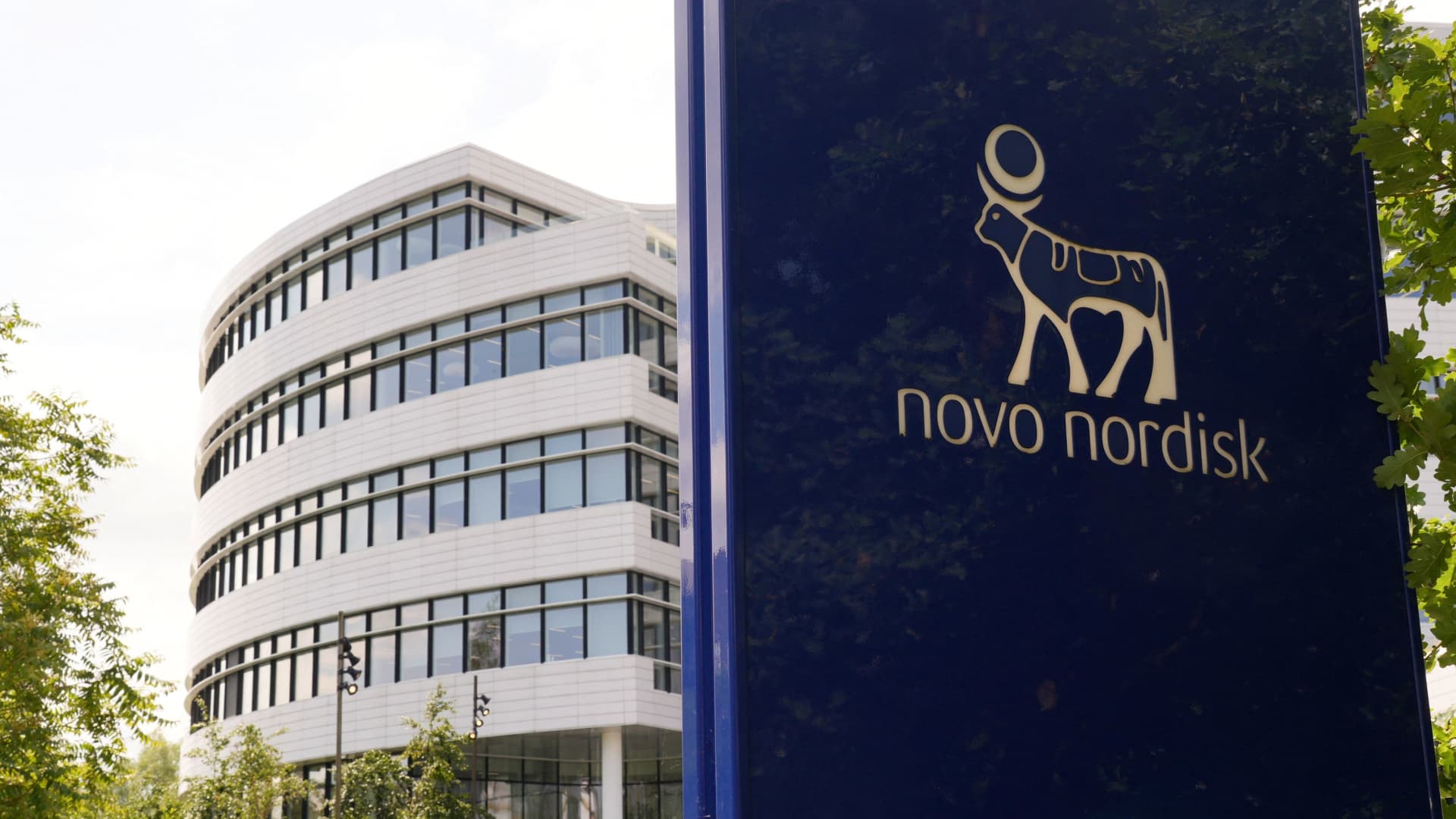
Financial Times – Novo Nordisk launches price war over weight-loss pills
______
6. US Oil Stocks Surge as Trump Pledges Revival of Venezuelan Energy Sector
US energy stocks jumped on Monday after President Donald Trump pledged to rebuild Venezuela’s energy sector following the capture of Nicolás Maduro over the weekend. Chevron Corp., the only American oil major currently operating in the South American nation under a special US license, saw its shares surge as much as 6.3%, its largest gain since April. Other industry leaders, including ConocoPhillips, Exxon Mobil, and the three largest oil-service firms—Halliburton, SLB, and Baker Hughes—all recorded gains exceeding 5%.
President Trump stated that American oil companies would spend billions to restore Venezuela’s crumbling infrastructure and tap into the world’s largest crude reserves. Venezuela produces a heavy form of crude essential for US Gulf Coast refineries, making the nation’s revival strategically significant for the American energy market. While companies like ConocoPhillips and Exxon still hold billions in arbitration awards from past nationalizations, experts from Rice University’s Baker Institute caution that a full restoration of the industry could take many years and require an investment of upwards of $100 billion.
The prospect of renewed Venezuelan supply led to a decline in shares of Canadian oil-sands producers, who compete in the heavy crude market.

Bloomberg – Chevron, US Oil Stocks Rally as Trump Vows Venezuela Revival
______
7. “Super Flu” Surge: US Influenza Levels Hit Post-Pandemic High
Michael Saylor has famously argued that Bitcoin’s volatility is “a feature, not a bug,” but investors are about to witness the downside as Strategy Inc. prepares to report a multi-billion dollar loss for the fourth quarter. This represents a stark reversal from the $2.8 billion profit reported in the prior quarter, driven by an unrealized loss on the firm’s roughly $60 billion Bitcoin stockpile after the cryptocurrency fell 24% during the period.
The anticipated hit stems from a 2025 accounting shift to fair-value reporting, which requires the company to recognize market fluctuations in its net income even if no assets are sold. Once a high-flying proxy for Bitcoin, Strategy saw its shares tumble 48% in 2025, leading to investor concerns regarding the company’s ability to meet dividend and interest obligations without selling its core asset. To address these fears, the firm established a $1.44 billion cash reserve in December by selling common shares.
With Bitcoin ending the year at $87,648—near the lower end of the company’s internal estimates—Strategy’s full-year operating loss is expected to trend toward the projected $7 billion mark.

Bloomberg – Flu Infections Reach the Highest Level in US Since the Pandemic
______