—— U.S. Existing Home Sales Surge Most in 3 Years; Homebuilder Index Up 17%; 30,000 LA School Workers Strike; Global Layoffs Exceed 470,000; Over Half of Nestlé’s Products Lack Nutritional Value; Swedish Pension Fund Sparks Outrage; Nike Beats Revenue Expectations as Inventory Eases
1. U.S. Existing Home Sales Surge Most in 3 Years
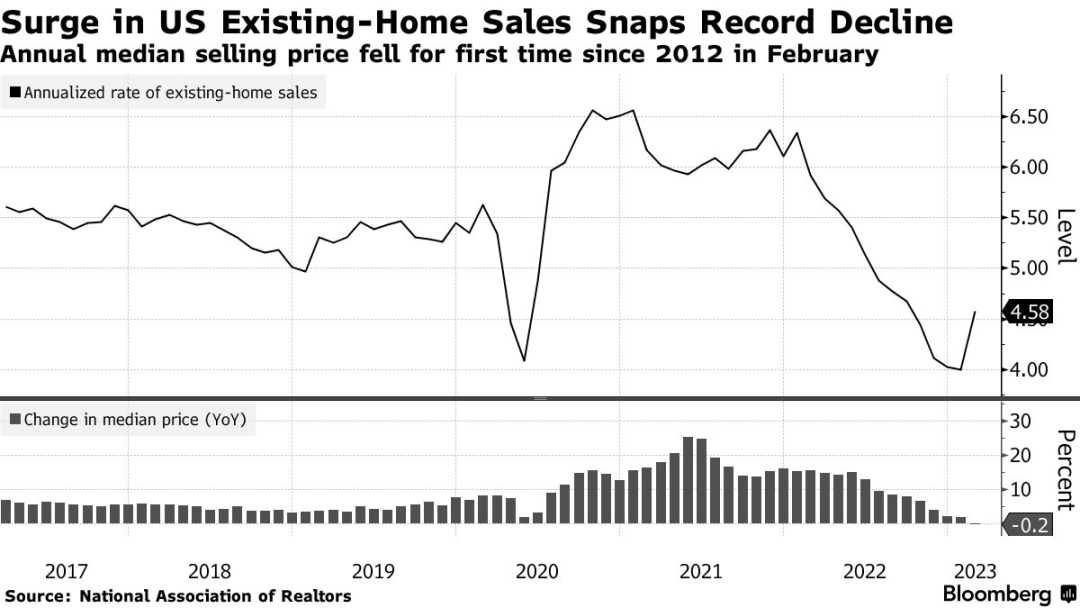
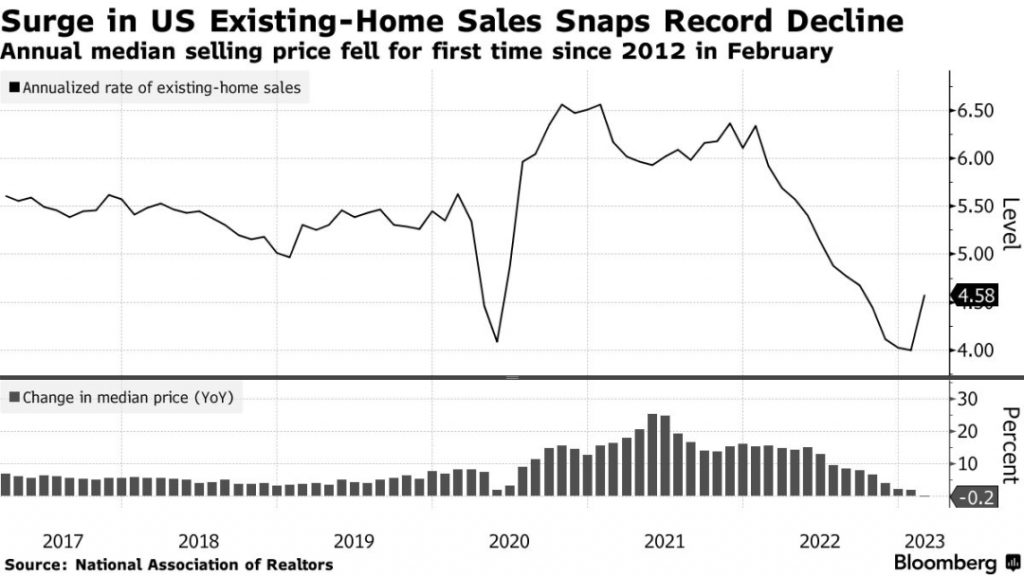
According to data released today by the National Association of Realtors (NAR), U.S. existing home sales jumped 14.5% month-over-month in February to a seasonally adjusted annual rate of 4.58 million units—the fastest pace since mid-2020 and beyond even the highest economist forecasts.
NAR Chief Economist Lawrence Yun noted that home prices are declining in some areas, while employment is rising, stimulating local sales activity.
With the U.S. banking sector facing turmoil, many expect the Fed may soon consider rate cuts, prompting buyers to wait for better timing.
February’s home sales rose at their fastest pace in five months, though housing activity overall remains constrained by higher interest rates.
______
2. Homebuilder Index Up 17%
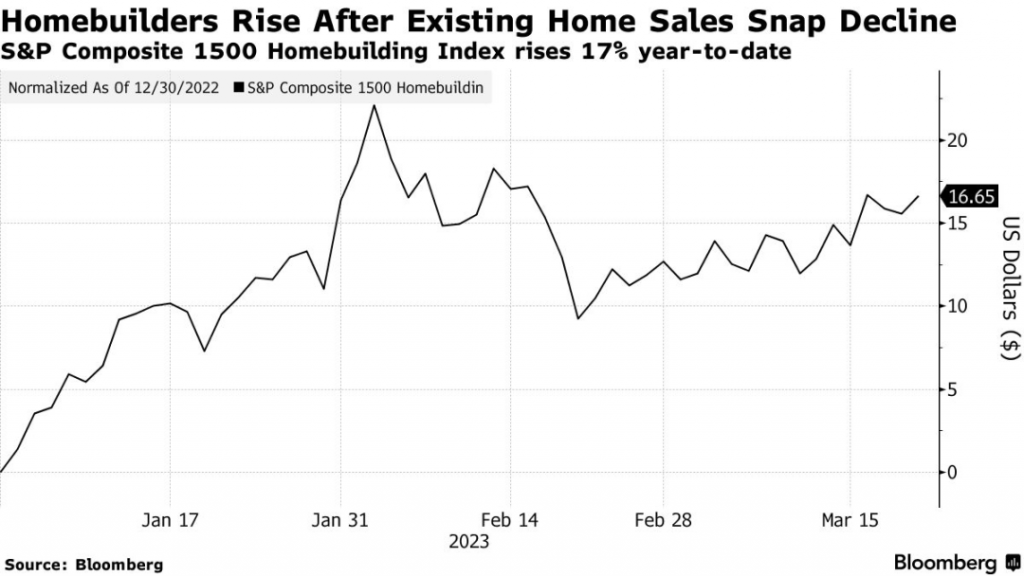
Today, boosted by the rebound in existing home sales, the S&P Composite 1500 Homebuilding Index rose 1.7%, bringing its year-to-date gain to 17%.
In addition, February marked the first drop in median U.S. home prices in 11 months, a trend that could continue and help improve housing affordability.
While mortgage rates have dipped, housing supply remains tight, and homeowners locked into low rates are reluctant to move up.
The S&P Homebuilding Index is up 17% year-to-date, driven by easing mortgage rates.
______
3. 30,000 LA School Workers Strike
According to LA Unified School District Superintendent Alberto M. Carvalho, public school teachers and staff in Los Angeles plan to strike from Tuesday through Thursday this week. The action stems from a contract dispute between Service Employees International Union Local 99, which represents 30,000 support staff, and the district.
Support staff include custodians, teacher aides, bus drivers, and cafeteria workers. The union is demanding a minimum 30% wage increase and longer work hours, rejecting the previous 23% raise and cash bonus offer.
LA’s 780 public schools are already struggling with declining enrollment and attendance, driven by inflation, reduced immigration, and a shift toward private schools.
The last major LA school strike was in January 2019—the first in 30 years—and disrupted six school days.
This week’s walkout is expected to impact 430,000 students.

______
4. Global Layoffs Exceed 470,000
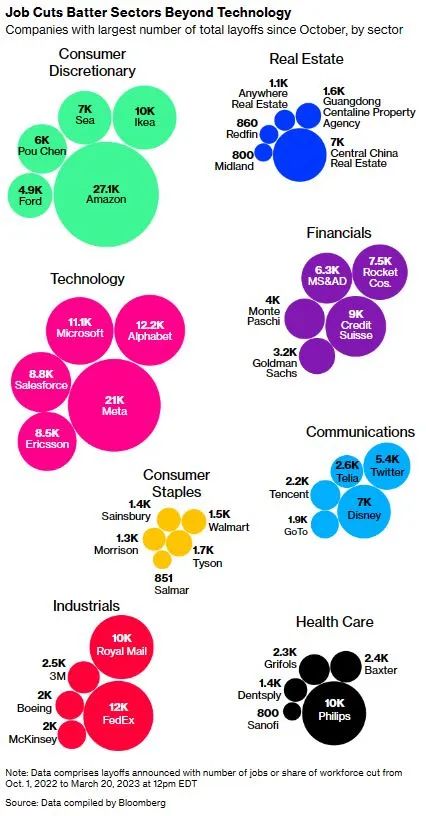
According to Bloomberg analysis, since last October, over 800 companies—including Meta and Amazon—have laid off a total of 473,000 employees. The median layoff rate per company is around 10%.
Roughly one-third of the laid-off workers were from the tech sector, largely due to overhiring during the pandemic boom.
In fact, the median layoff rate in industries like finance, telecom, healthcare, real estate, and energy exceeded that of tech. For example, in healthcare, over 120 companies had a median layoff rate of 20%, with smaller startups like Rubius Therapeutics cutting up to 80% of staff.
In the non-essential consumer goods sector, over 108,000 jobs were lost, while banks including Goldman Sachs cut thousands in the financial sector.
More than 800 companies cut 473,000 jobs—not just in tech but across all sectors.
______
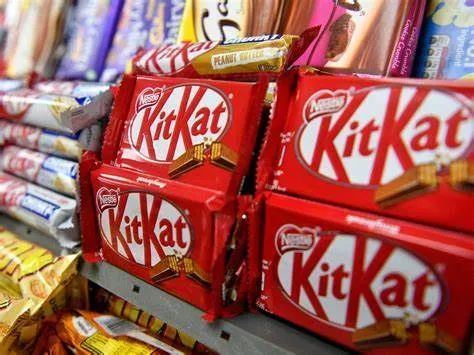
5. Over Half of Nestlé’s Products Lack Nutritional Value
Food giant Nestlé has acknowledged that fewer than half of its mainstream food and beverage products qualify as nutritious.
In its latest annual report, Nestlé revealed that 54% of its sales come from products scoring below 3.5 on the Health Star Rating (HSR) system, which rates items based on components like trans fats, sugar, salt, fiber, vegetables, and fruit.
Nestlé’s best-known offerings include chocolate, milkshakes, and coffee. In recent years, the broader food industry has faced growing pressure from investors and health groups to improve product transparency and nutritional value.
CEO Mark Schneider stated during last month’s analyst call that the company has made meaningful progress, including reducing salt, sugar, and trans fats.
Nestlé said it has introduced healthier options like sugar-free coffee creamers and plant-based snacks.
______
6. Swedish Pension Fund Sparks Outrage
Magnus Billing, CEO of Sweden’s largest pension fund Alecta, disclosed that the fund was one of the largest shareholders in the recently collapsed Silicon Valley Bank and Signature Bank. As a result, Alecta may face losses of up to $2 billion.
Alecta, which also holds shares in First Republic, expressed concerns about that bank’s outlook as well.
Although Alecta is large enough to absorb the blow and the retirement savings of 2.6 million Swedes are not expected to suffer significantly, the losses have sparked public anger in Sweden. The fund had recently sold shares in Sweden’s two biggest local banks to invest in small U.S. regional lenders.
No other pension fund invested in SVB, Signature, or First Republic—only Alecta.
The decision to exit local banks and invest in smaller U.S. banks has drawn heavy criticism.

______
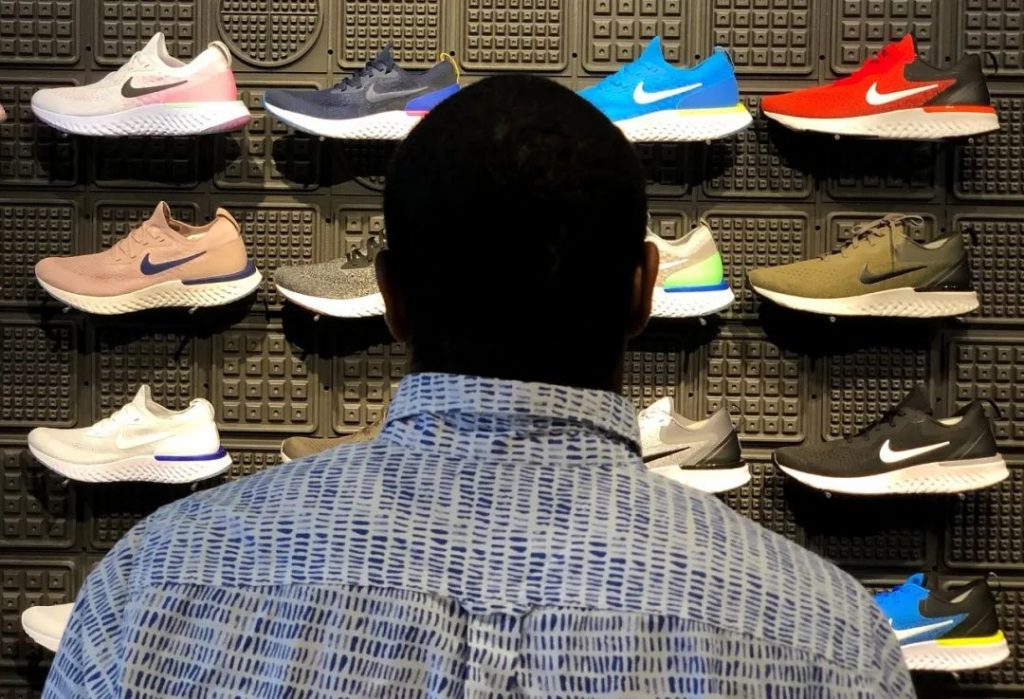
7. Nike Beats Revenue Expectations as Inventory Eases
In its latest quarterly earnings report, Nike Inc.—the world’s largest athletic apparel company—announced that global revenue rose 14% to $12.4 billion for the quarter ending February 28, beating the average analyst forecast of $11.5 billion. However, its gross margin of 43.3% fell slightly short of the expected 43.7%.
Inventory levels rose 16% year-over-year, but that was a notable improvement from last quarter’s 43% increase. CEO John Donahoe and his team said excess inventory, which had prompted heavy discounting, has started to ease.
Still, Nike said it will continue offering some promotions to clear stock, and rising raw material and logistics costs are compressing profit margins.
Donahoe credited the revenue boost to a stronger focus on Nike’s high-margin direct-to-consumer business.
Sales in China remained weak, down nearly 8%, though they are expected to improve as the country reopens.
______
This content is sourced from Financial Times, Bloomberg, and The Real Deal, among other financial news outlets.