
— China Trade Misses Forecast; Moody’s Downgrades 10 U.S. Banks; WhatsApp Business Use Triggers $260M in Fines; Wegovy Reduces Heart Disease Risk; U.S. Cars Face “Overweight” Issue; SoftBank Posts Third Consecutive Loss; U.S. Credit Card Debt Surpasses $1 Trillion
1. China Trade Misses Forecast
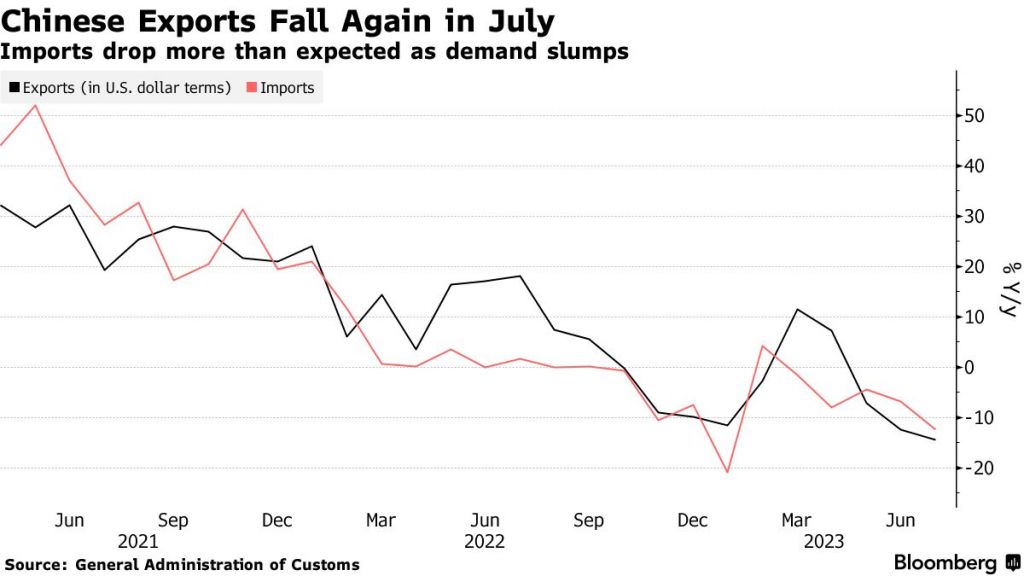
China’s General Administration of Customs reported today that in July, the total value of exports dropped 14.5% year-over-year, while imports fell 12.4%, both missing expectations.
The chief economist at Pinpoint Asset Management noted that the decline in imports suggests weakening domestic demand, with consumer spending and investment showing sluggish growth.
However, some economists argue that lower import values don’t necessarily indicate lower demand—crude oil prices are down 12% year-to-date, while the volume imported is up 12% over the same period.
China’s trade surplus in July stood at $80.6 billion.
______
2. Moody’s Downgrades 10 U.S. Banks
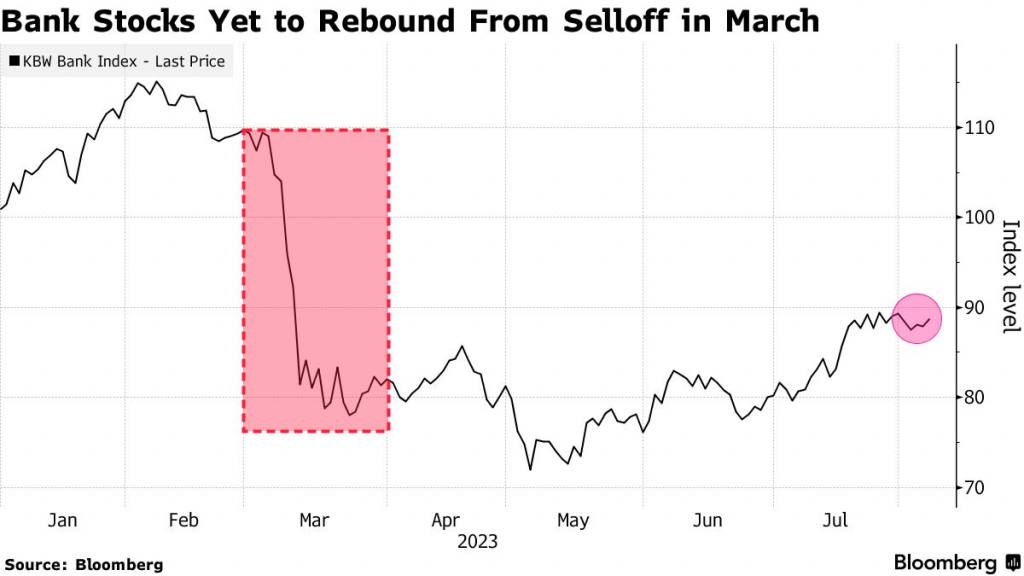
On Monday night, Moody’s Investors Service downgraded 10 U.S. regional and mid-sized banks, including U.S. Bancorp, Bank of New York Mellon Corp., State Street Corp., and Truist Financial Corp.
Moody’s cited rising loan costs, weak capital oversight, and increasing risks tied to commercial real estate lending as key factors.
Following recent crises at banks in California and New York, investors have become highly attuned to signs of industry risk.
Higher interest rates are eroding bank asset values while making it harder to refinance commercial property loans.
______
3. WhatsApp Business Use Triggers $260M in Fines
Today, the CFTC announced that Wells Fargo and BNP Paribas must pay hundreds of millions in fines after employees used WhatsApp and other unofficial platforms for business communications.
Wells Fargo is fined $125 million by the SEC, while BNP must pay $35 million. Both banks’ derivatives divisions are also each fined $75 million.
In recent years, the SEC and CFTC have cracked down on the use of private email or WhatsApp for work-related discussions, and firms are expected to tighten internal compliance.
The total fine amount in this case reached $260 million.

______
4. Wegovy Reduces Heart Disease Risk
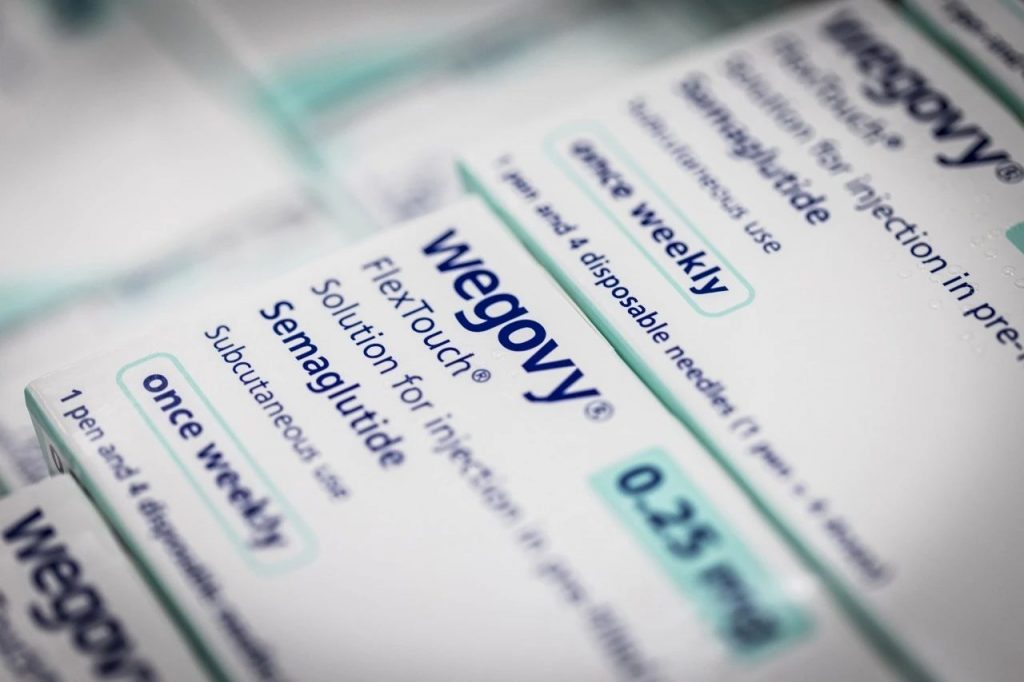
Danish drugmaker Novo Nordisk announced today that new research shows its popular weight-loss drug Wegovy reduces the risk of heart disease by 20% in obese patients with pre-existing conditions.
Novo’s stock rose as much as 16.7% today, marking its biggest single-day gain in over two decades.
Following the success of its diabetes and obesity drugs Ozempic and Wegovy, Novo now holds a valuation well above its European competitors.
Wegovy is now the first drug shown to support both weight loss and heart disease prevention.
Following the study’s release, demand for Wegovy is expected to surge.
______
5. U.S. Cars Face “Overweight” Issue
Recent data shows that the average weight of vehicles sold in the U.S. last year reached 4,329 pounds—over 1,000 pounds heavier than in 1980 and 175 pounds more than three years ago.
Stellantis NV CTO Ned Curic remarked that vehicles that used to weigh 1.5 tons now can weigh double, raising environmental and resource-efficiency concerns.
Since the 1980s, cars have added airbags and stronger frames for safety, with material efficiency taking a backseat.
Many consumers today also prefer SUVs and pickup trucks for their utility and style.

______
6. SoftBank Posts Third Consecutive Loss
For the quarter ending June 30, SoftBank Group reported a $3.3 billion loss, marking its third straight unprofitable quarter.
Though the flagship Vision Fund rebounded alongside equity markets, analysts had expected SoftBank to turn a profit—making the report a surprise disappointment.
The loss was mainly due to declines in the share prices of Alibaba, Deutsche Telekom, and T-Mobile.
SoftBank’s CFO said the company remains cautious and plans to focus more on AI investments moving forward.
Arm, one of SoftBank’s key investments, saw its valuation rise 13% in the past quarter.

______
7. U.S. Credit Card Debt Surpasses $1 Trillion
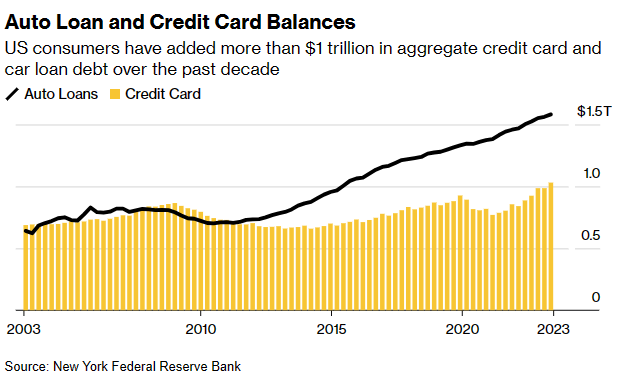
According to a report released today by the New York Fed, U.S. consumer credit card balances crossed the $1 trillion mark last quarter for the first time—up $45 billion from the previous quarter.
Additionally, the share of Americans falling behind on their credit card payments has been rising, with delinquency rates returning to pre-pandemic levels.
New York Fed economists noted that while consumers face multiple challenges, there are no signs of a widespread financial crisis at present.
Another report showed that 70 million new credit card accounts have been opened since the pandemic, and interest rates hit a record high of 22.2% in May.
Currently, U.S. credit card holders have a combined $3.6 trillion in available credit.
______
This content is sourced from Financial Times, Bloomberg, and The Real Deal, among other financial news outlets.