—— Democrats Score Sweeping Midterm Victory; Gina Hinojosa’s Data Center Stance Raises New Risks for US AI Expansion; Democrats’ Senate Takeover Puts a Roadblock in Trump’s Effort to Reshape the Fed; CVS Health Plans to Spin Off Retail Pharmacy Business; McDonald’s US Sales Fall Less Than Expected; Sequoia Capital Closes London Office; DeSantis Says GOP Suffered a “Meteor Strike”
1. Democrats Score Sweeping Midterm Victory
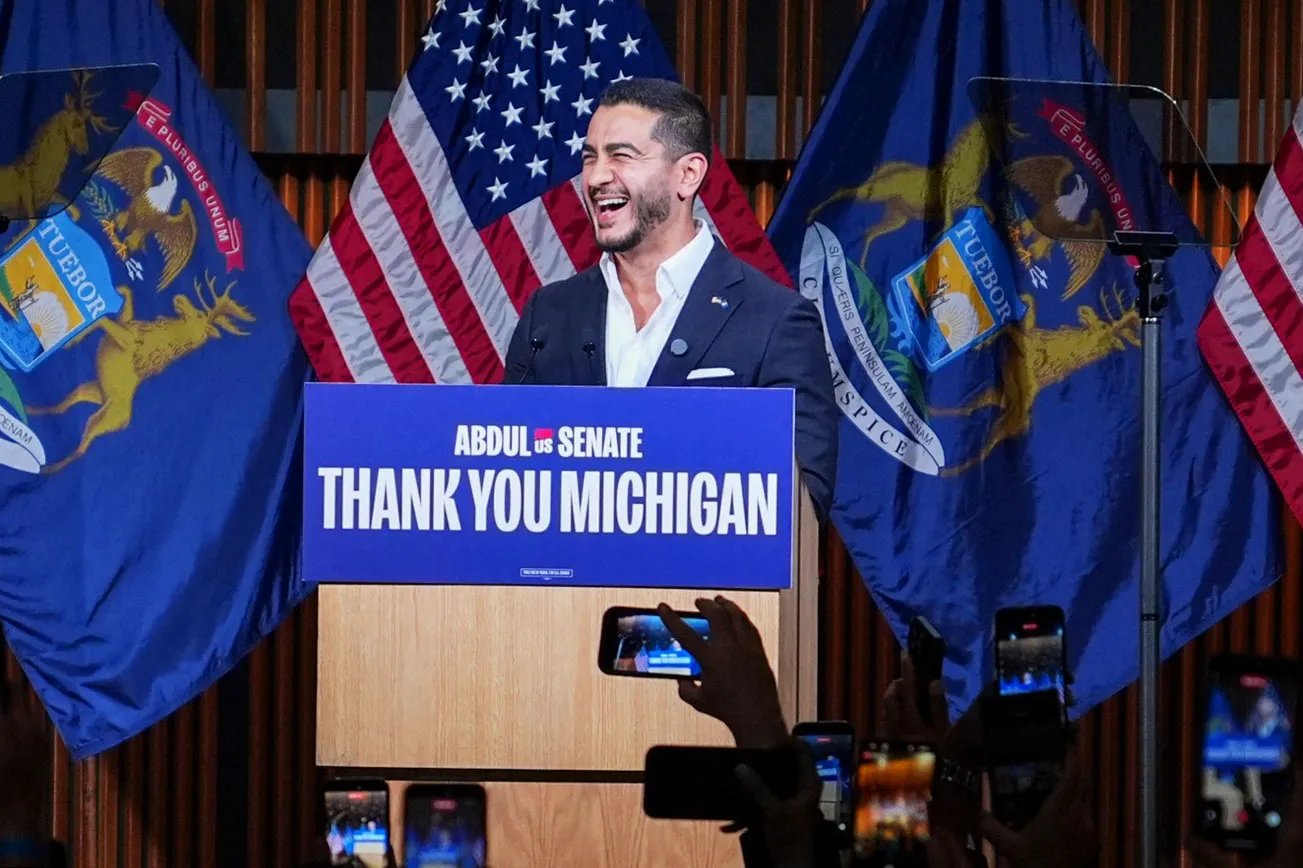
Fueled by voter frustration over the cost of living and the war in Iran, Democrats delivered a sweeping victory in the US midterm elections, reclaiming control of both chambers of Congress. The results amounted to a forceful rebuke of President Donald Trump and his party, coming just two years after Trump’s decisive return to the White House.
The scale of the political shift would have been difficult to predict only a few months ago. Democratic gains suggest that the coalition that carried Trump to a second term is beginning to fracture. The outcome came despite Trump’s repeated appeals for voters to treat the midterms as a referendum on his presidency.
As of Wednesday morning, Democrats had secured at least 228 seats in the House, comfortably above the 218 needed for a majority. Republicans had won 139 districts, with 68 races still uncalled. NBC News projected that Democrats could ultimately finish with 258 seats to Republicans’ 177, giving the party an 81-seat majority. That would be a substantial increase from the 214 seats Democrats currently hold.
In the Senate, Democrats were set to hold at least 54 seats, with only Alaska and Mississippi still outstanding. Before the election, the party held 47 seats, including two independents who caucus with Democrats.
Bloomberg – Democrats Clinch Huge Wins on Inflation Anger, Trump Fatigue
______
2. Gina Hinojosa’s Data Center Stance Raises New Risks for US AI Expansion
Developers planning to build dozens of sprawling artificial intelligence data center campuses across Texas were already facing a pause in approvals under Republican Governor Greg Abbott. The election of Gina Hinojosa, who on Tuesday became the state’s first Democratic governor in more than three decades, could bring an even tougher regulatory environment for the industry.
During her campaign, Hinojosa repeatedly called for an immediate moratorium on data center development. She dismissed Abbott’s promises to rein in data center operators as little more than an election-year political stunt, accusing developers of driving up electricity bills and depleting local water supplies. She has pledged to halt approvals until a legislative session can establish policies that put Texas residents first, arguing that communities should not be left without a voice when dealing with large global corporations.
Hinojosa’s victory, combined with Democratic wins in gubernatorial races in states including Georgia, Ohio and Pennsylvania, could put nearly half of the proposed additions to US AI data center capacity at risk of tougher local reviews and community opposition. The candidates made more aggressive data center regulation a central campaign issue, highlighting the growing backlash against the facilities that power AI systems around the world.
The political shift comes as Democrats have also taken control of both chambers of Congress, riding voter frustration over the cost of living and the war in Iran. With Republicans losing their grip on Congress, technology companies that faced relatively limited scrutiny during the first two years of President Donald Trump’s second term may encounter a more challenging political and regulatory landscape.

Bloomberg – AI Data Center Boom Set for Upheaval After US Election Rout
______
3. Democrats’ Senate Takeover Puts a Roadblock in Trump’s Effort to Reshape the Fed
President Donald Trump’s effort to reshape the Federal Reserve and steer interest-rate policy toward his preferred course has encountered a major obstacle after Democrats won control of the Senate on Tuesday. The unexpected shift in political power could significantly limit the White House’s ability to influence the leadership of the US central bank.
With Democrats in control of the Senate, the administration is likely to face greater difficulty securing confirmation for loyalist nominees to the Fed’s seven-member Board of Governors. The Senate has the authority to approve Fed appointments, giving the Democratic majority a direct way to block candidates it views as too willing to yield to pressure from the executive branch.
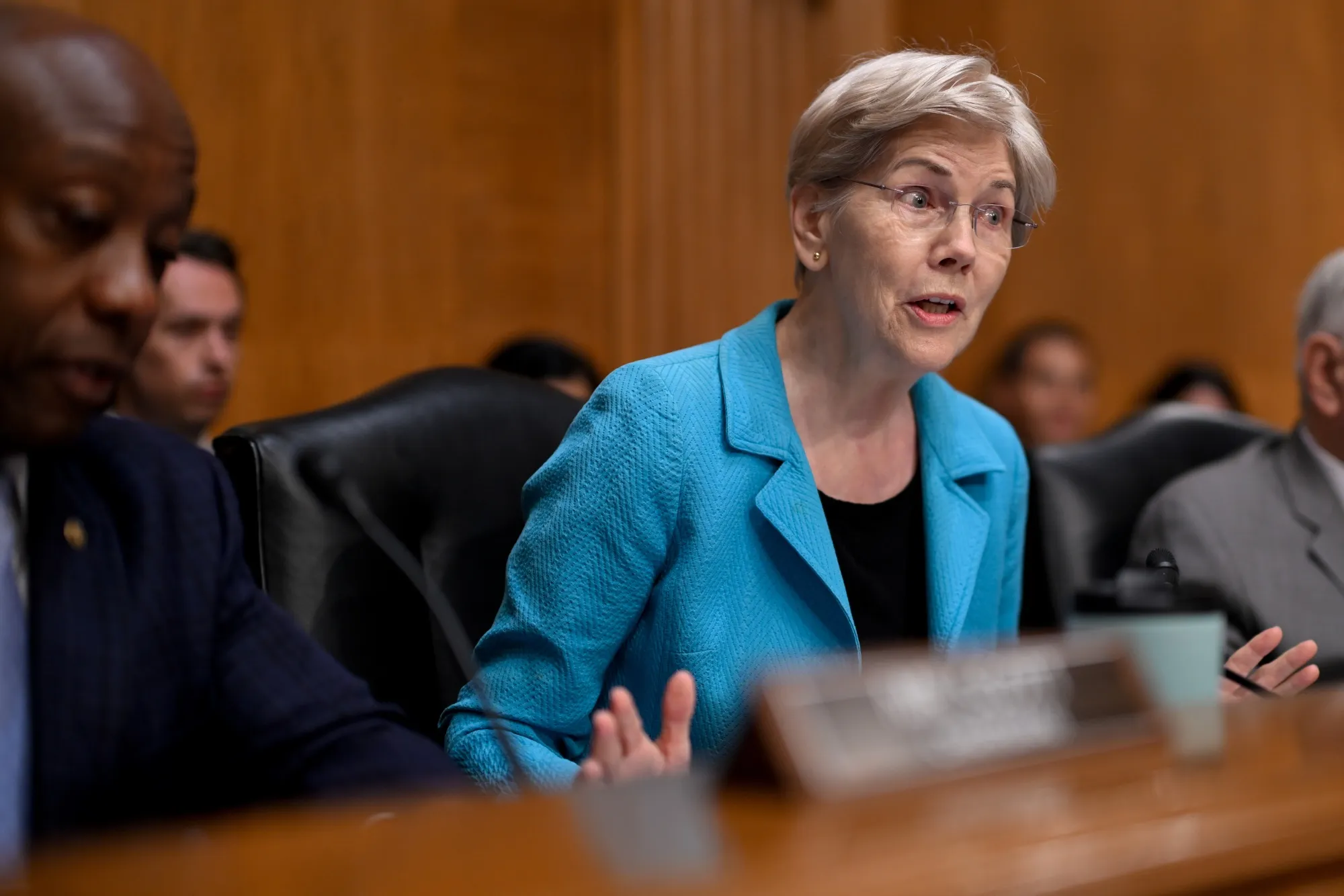
Massachusetts Senator Elizabeth Warren is expected to take over as chair of the Senate Banking Committee, which oversees the Federal Reserve and key financial regulatory matters. Warren has long advocated tougher oversight and accountability, particularly for Wall Street, while also defending the central bank’s independence in setting interest rates free from political interference. As committee chair, she would have significant influence over the review of the administration’s nominees.
Mark Spindel, an investment manager at Potomac River Capital who co-wrote a history of Federal Reserve independence, said a Democratic Senate would provide the central bank with a stronger institutional safeguard. It would give the Fed a more forceful defense against pressure from the president, he said.
The change in Senate control could also give the Fed and its Chair Kevin Warsh greater room to pursue policies aimed at containing inflation, including raising interest rates if necessary, without having to weigh the White House’s political preferences as heavily.
Bloomberg – Fed Wins Protection With Democrats Taking Control of the Senate
______
4. CVS Health Plans to Spin Off Retail Pharmacy Business
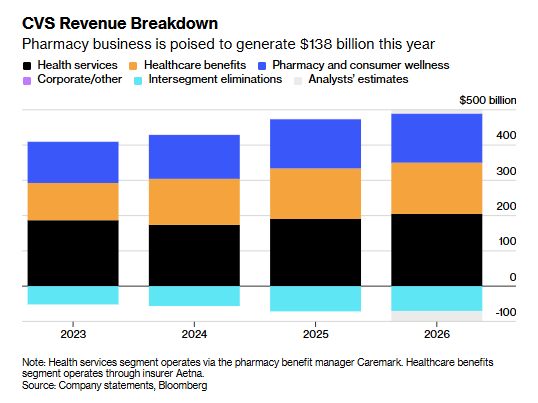
CVS Health Corp. plans to separate its retail pharmacy business into an independent publicly traded company, marking one of the largest corporate breakups in the healthcare industry. The move would dismantle a business structure that has brought together health insurance, prescription drug benefits management and retail pharmacies under one corporate umbrella.
The pharmacy operations will become a new company called CVS Pharmacy, with the separation targeted for the first half of 2028. Aetna, the health insurance unit, and Caremark, the prescription benefits management business, will remain under the existing CVS Health name. Both companies will be publicly traded following the transaction, CVS said in a statement.
The plan marks a major turning point for a company that began with a single store in Lowell, Massachusetts, in 1963 and grew into a healthcare powerhouse. CVS had a market value of about $117 billion as of Tuesday. Despite closing hundreds of locations in recent years, the company still operates nearly 9,000 retail pharmacies across the US. Its competitors, including Walgreens and Rite Aid, have faced significant challenges in the increasingly difficult retail pharmacy market.
Investors reacted sharply to the announcement. CVS shares fell as much as 14% in New York trading on Wednesday, erasing much of their gains for the year.
Bloomberg – CVS Plans to Break Up $117 Billion Healthcare Conglomerate
______
5. McDonald’s US Sales Fall Less Than Expected
McDonald’s Corp. reported a smaller-than-expected decline in US comparable sales for the third quarter, as customers spent more per visit and helped offset a drop in restaurant traffic.
Comparable sales in the US fell 0.2% during the period, a milder contraction than the average estimate compiled by Bloomberg. In late September, the company had warned that quarterly results would likely be “slightly negative,” partly because a range of value-menu items introduced earlier in the year had failed to attract as many customers as hoped.
The US remains a critical market for McDonald’s, accounting for about 38% of revenue as of the previous quarter. With consumers increasingly focused on affordability, the company is reworking its value strategy after a menu of items priced below $3 disappointed. McDonald’s is now testing a different approach to budget-friendly offerings in an effort to bring price-conscious diners back to its restaurants.
The chain is also shifting away from short-term promotions and placing greater emphasis on offers that have resonated with customers in the past. These include its Extra Value meal combinations, as well as the return of some app-based deals that had previously been discontinued. The strategy is intended to encourage more frequent visits while increasing the amount customers spend.
Investors welcomed the results. McDonald’s shares rose as much as 4% in regular New York trading Wednesday morning. Even so, the stock was down about 14% through Tuesday’s close this year, compared with an 11% gain for the S&P 500.
The company also reduced its forecast for new restaurant openings this year by about 100 locations, according to a regulatory filing. McDonald’s now expects to open roughly 2,500 restaurants globally in 2026.
Bloomberg – McDonald’s US Slump Cushioned by Increase in Order Sizes
______
6. Sequoia Capital Closes London Office
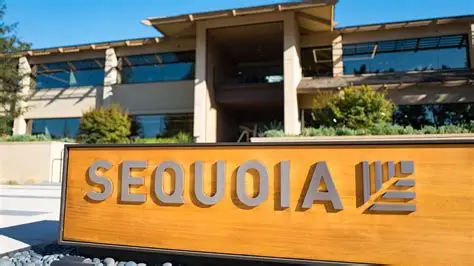
Sequoia Capital, one of Silicon Valley’s most prominent venture capital firms, is closing its European headquarters in London, dealing a setback to the UK’s efforts to establish itself as a major force in the fast-growing artificial intelligence industry.
The firm announced the decision in a social media post on Wednesday, saying it no longer saw a need to maintain a local presence in Europe. Sequoia emphasized that the region would continue to produce exceptional founders and companies, adding that it could provide them with world-class support from its base in the San Francisco Bay Area.
The move is part of a broader retreat from international operations. Over the past two decades, Sequoia established offices in China, India and Europe as it expanded beyond Silicon Valley. After its former Chinese and Indian divisions became independent firms — HongShan and Peak XV Partners, respectively — the closure of its London office effectively leaves Sequoia without a direct presence in overseas markets.
Sequoia opened its UK office in 2020, during the technology investment boom that accompanied the pandemic. Its withdrawal follows a similar decision by Silicon Valley neighbor Andreessen Horowitz, which closed its London office last year after operating in the city for less than two years.
Sequoia said it would continue investing in European start-ups from San Francisco. However, the closure represents a shift in how the firm will manage its European relationships and support its portfolio companies.
Bloomberg – Starbucks to Phase Out Impossible Breakfast Sandwich
______
7. DeSantis Says GOP Suffered a “Meteor Strike”
American households that rely primarily on heating oil are facing significantly higher energy costs this winter. The US Energy Information Administration (EIA) expects heating bills for these households to rise about 21% from last winter.
The forecast adds to the energy-cost pressures facing the Trump administration. With the midterm elections just four weeks away, Republicans are expected to face voter dissatisfaction over higher gasoline, electricity and other energy costs.
Heating oil prices are closely linked to diesel, which has surged as the US-Iran war and Ukrainian drone strikes on Russian refineries have tightened fuel supplies.
The EIA expects heating oil prices across the US to rise about 30% this winter from a year earlier. However, milder weather in the Northeast is expected to partially offset the impact on household bills, as homeowners may consume less fuel.
About 3% of US households primarily rely on heating oil, with the vast majority located in the Northeast. Maine has the highest share of heating-oil-dependent households in the country. As of Sept. 28, heating oil prices in the state stood at $5.96 per gallon, nearly 80% above the level a year earlier.
The EIA also raised its forecast for crude oil prices. It now expects Brent crude to average $105 a barrel in the fourth quarter, $14 higher than its previous estimate. US retail diesel prices are expected to remain above $6 a gallon through October before falling toward $4.50 a gallon next year.
On the supply side, the agency expects Middle Eastern oil production and exports to gradually recover. Increased shipments through the Strait of Hormuz, combined with alternative transportation routes and other supply workarounds, could eventually ease pressure on global oil markets.

Bloomberg – DeSantis Calls GOP’s Midterm Wipeout ‘Extinction Level Event’
______