—— US Inflation Jumps to Three-Year High of 4.2% in May; Amazon Inks $17.5 Billion Bank Loan Led by Citigroup; Man Accused of Igniting Historic Los Angeles Wildfire to Face Trial; Private Equity Faces Valuation Reckoning; Bill Gates Arrives on Capitol Hill to Testify Before House Panel; Mega IPOs and Tech Share Sales Set to End Over Two Decades of Shrinking US Equity Supply; Pimco Warns ‘Credit Loss Cycle Is Upon Us’ as AI Boom Risks Hitting Weaker Borrowers
1. US Inflation Jumps to Three-Year High of 4.2% in May
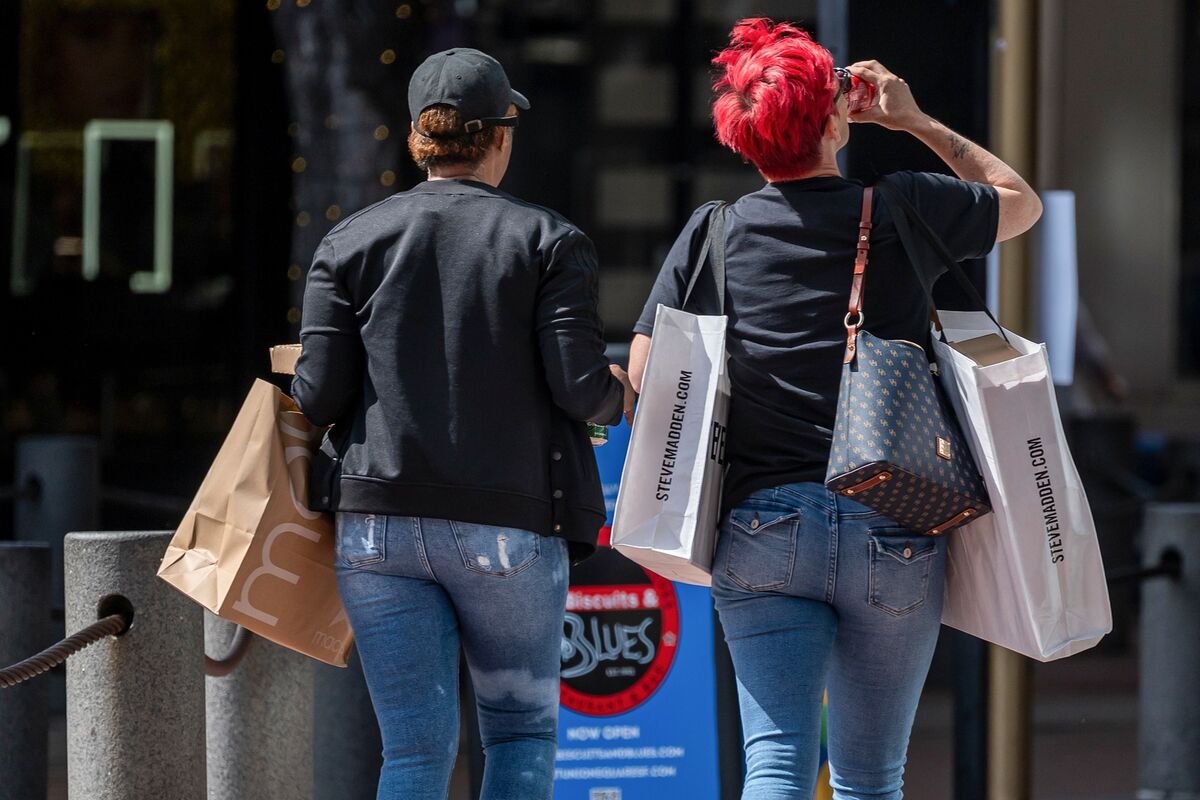
US inflation jumped to a new three-year high of 4.2 per cent in May as Donald Trump’s Middle East war sends energy prices soaring for Americans. Wednesday’s figure from the Bureau of Labor Statistics was in line with expectations from a Bloomberg poll of economists and up from April’s year-on-year rate of 3.8 per cent. Core inflation, which strips out volatile food and energy prices, was 2.9 per cent, up from 2.8 per cent the previous month.
Price pressures have risen sharply since the conflict began in late February, when inflation sat at just 2.4 per cent. The cost of petrol and diesel has risen by about 40 per cent, according to the AAA motoring group. Fuel prices continued to be the primary driver of inflation in May, with energy accounting for more than 60 per cent of the 0.5 per cent monthly rise in prices.
The inflationary burst from the conflict has also spilled into other parts of the US economy as the cost of transporting goods such as groceries across the country escalates. Food prices continued to rise in May, with products such as coffee, fruit and vegetables and baked goods all climbing. But some other groceries that had risen sharply in recent months, such as dairy, meat and eggs, fell slightly.
The inflation data comes days after a strong employment report that suggested the US jobs market had begun to stabilise after a rocky 2025.
Financial Times – US inflation jumped to 4.2% in May amid Middle East energy shock
______
2. Amazon Inks $17.5 Billion Bank Loan Led by Citigroup
Amazon.com Inc. has inked a $17.5 billion loan from a group of banks led by Citigroup Inc., the tech company said in a regulatory filing. The lenders have agreed to make the delayed draw term loan available until the end of September, according to the filing on Wednesday. Every time the company borrows money under this facility, it has three years from the date of the borrowing to repay it. The loan will pay 0.625 percentage point to 0.875 percentage point more than the Secured Overnight Financing Rate, or SOFR, with the exact amount depending on Amazon’s credit rating.
Other banks involved in the deal include JPMorgan Chase & Co., Bank of America Corp., HSBC, and Wells Fargo & Co. More than a dozen additional banks contributed to the financing.
The loan comes as giant tech companies are borrowing heavily to expand the artificial intelligence infrastructure buildout, with Amazon recently also issuing in foreign markets to tap other pools of capital.
Bloomberg – Amazon Inks $17.5 Billion Loan in Financing Led by Citigroup
______
3. Man Accused of Igniting Historic Los Angeles Wildfire to Face Trial
The man accused of “maliciously” starting the most destructive wildfire in Los Angeles history last year is set to face a jury over arson charges. Prosecutors allege Jonathan Rinderknecht, 30, hiked around midnight on New Year’s Eve to a hillside in the Pacific Palisades neighborhood filled with multimillion-dollar homes and set a brush fire with a barbecue lighter later found in his car. The blaze he’s accused of igniting was contained by firefighters, but was allegedly rekindled on Jan. 7, 2025, by hurricane-force winds, morphing into a massive conflagration that killed at least 12 people, charred more than 23,000 acres and destroyed or damaged almost 8,000 structures. In sured losses from the fire were estimated by Gallagher Re at $23 billion.
Rinderknecht, who had lived in the area, was working as an Uber driver and dropped off a passenger near where the fire started, according to the government. GPS data shows he called 911 while standing about 30 feet (nine meters) from where the fire was ignited on Jan. 1, 2025, and then drove away, only to return to the scene as firetrucks arrived, prosecutors said.
Rinderknecht’s lawyer claims he is innocent but has been made a “scapegoat” for the failure of firefighters to fully extinguish the Jan. 1 blaze before its embers flared up six days later.

Bloomberg – Man Accused of Igniting Massive Los Angeles Fire Goes on Trial
______
4. Private Equity Faces Valuation Reckoning
A “constipated” private equity industry must compromise on price to shift assets built up in the boom era, and some buyout houses could disappear altogether, senior executives say. The reckoning is one of several major challenges confronting private markets as industry leaders gather at the SuperReturn conference in Berlin. Fears about the impact of artificial intelligence on the once-hot software sector, a struggle to distribute capital, skittish retail investors and the war in Iran have all taken a toll. Meanwhile, hopes have fizzled that buyout firms could pick up the pace on company exits this year. Victor Khosla, the founder of credit investor Strategic Value Partners, pointed to price gaps between would-be buyers and sellers. “There are entire sectors like private equity, like real estate, that are constipated. They can’t sell,” he said Wednesday, speaking on the conference’s sidelines to Bloomberg TV.
Private equity “lost its way a little bit” during a decade of near-zero interest rates, Scott Kleinman, co-president of Apollo Global Management Inc., told Bloomberg TV. Speaking in general about the industry, he said it lost its focus on paying reasonable prices and improving businesses. Funds raised from 2017 to 2022 are particularly struggling. “The inventory of private equity-owned companies is really, really high,” he said. Now, firms will “have to start capitulating for sure on valuations” and some managers will have to raise smaller funds or “go away,” Kleinman said. Still, he said the industry was making progress on digesting assets — a process he has likened before to a pig moving “through the python.”
Buyout firms shouldn’t depend on the IPO market, but should focus on owning and running businesses that can generate cash and pay dividends, said Anuj Ranjan, chief executive officer of Brookfield Asset Management Ltd.’s private equity unit.
Bloomberg – Private Equity Faces Reckoning With Struggle to Clear Buyout Backlog
______
5. Bill Gates Arrives on Capitol Hill to Testify Before House Panel
Microsoft Corp. co-founder Bill Gates arrived on Capitol Hill Wednesday for closed-door testimony to the US House Committee investigating the late financier Jeffrey Epstein. The appearance of Gates, one of the world’s richest men and the face of the technological revolution for a generation of Americans, was a striking testament to the broad and influential network of connections Epstein cultivated. Epstein died in a New York jail cell in 2019 while awaiting trial on federal sex-trafficking charges.
The release of Justice Department files on Epstein forced by an act of Congress has spurred closed public scrutiny of Epstein’s past associations with powerful figures, including Britain’s ex-Prince Andrew, former Harvard University President Larry Summers, former US President Bill Clinton and Apollo Global Management co-founder Leon Black. Those men and Gates have denied any wrongdoing.
“Glad to be here,” Gates said to reporters as he arrived for questioning by the House panel. “I hope my testimony is helpful to the work, important work of the committee to find justice for the victims.”
Bloomberg – Bill Gates Arrives for Closed-Door Epstein Panel Testimony
______
6. Mega IPOs and Tech Share Sales Set to End Over Two Decades of Shrinking US Equity Supply
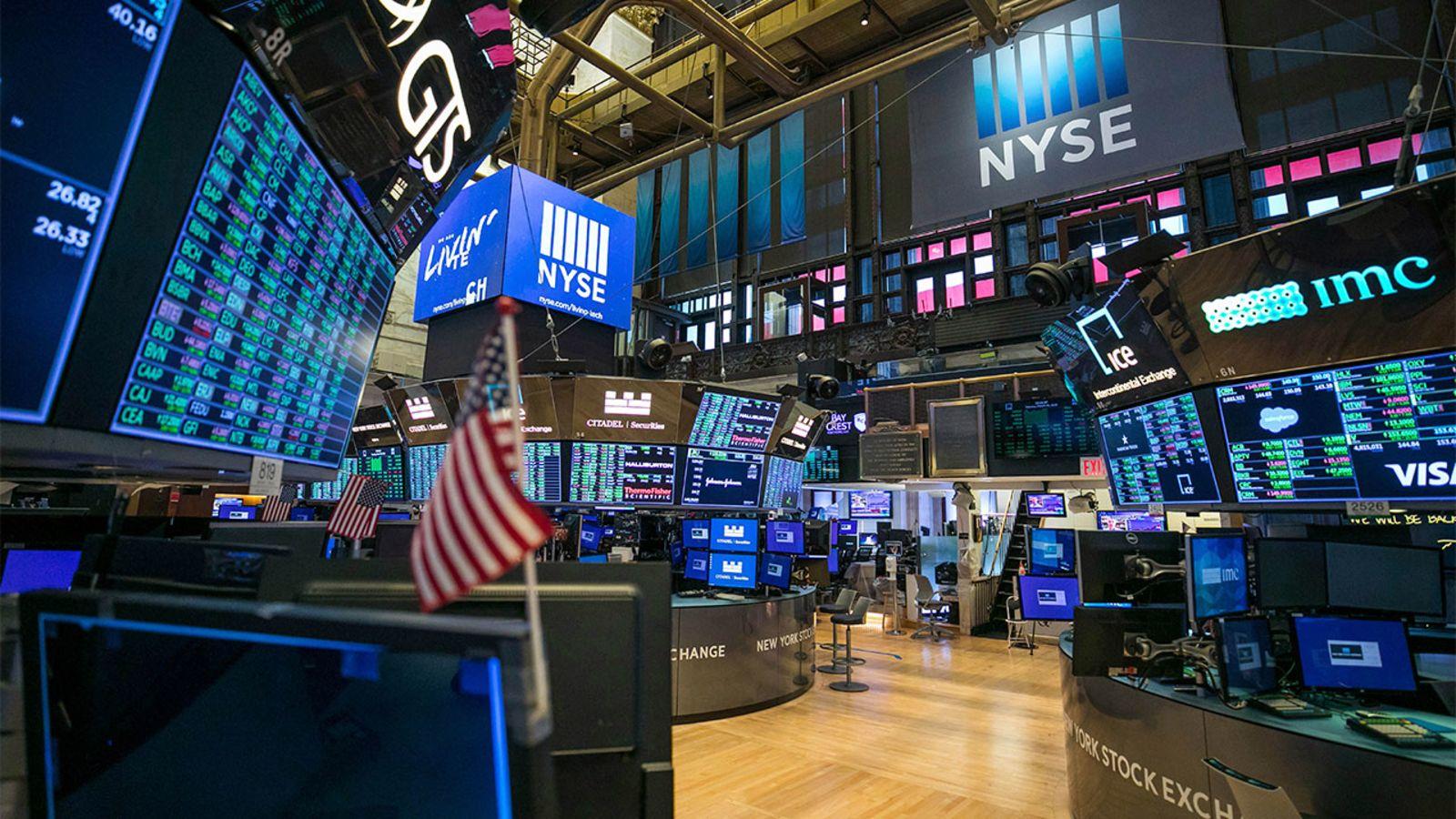
US markets are close to ending more than two decades of declining equity supply as a trio of mega initial public offerings brings a flood of new shares that investors warn could strain the limits of demand. The listing plans of SpaceX, Anthropic and OpenAI come as Wall Street’s existing Big Tech groups look to multibillion-dollar share sales to fund their vast AI spending, in a reversal of decades of share buybacks that have helped US stocks more than triple in price since 2016. Goldman Sachs estimates net supply of equity in the US — measured by new shares hitting the market less equity removed by buybacks or companies going private — will be almost flat in 2026, having been in negative territory since 2003. The bank expects an even greater influx of new shares in 2027, as lock-up periods on this year’s IPOs expire. Without the tailwind of a shrinking supply of shares, some analysts and investors worry Wall Street’s tech-led rally could finally run out of steam.
“This is a sea change,” said Ajay Rajadhyaksha, global chair of research at Barclays, referring to AI spending that is leaving little room for buybacks and turning some of the biggest companies in the US into net equity issuers. “It will give us a clean test case for how much of the broad stock rally over the past decade has been about a net reduction in shares.” Sixty US companies have gone public this year, raising nearly $40bn, the highest year-to-date deal value since 2021, according to data from Dealogic that excludes listings of blank-cheque companies.
Goldman expects that figure to rise to a record $225bn this year following the raft of big listings. SpaceX, Elon Musk’s rocket-cum-AI company, is aiming to raise as much as $86bn in its IPO later this week.
Financial Times – US stock market to stop shrinking for first time in 23 years
______
7. Pimco Warns ‘Credit Loss Cycle Is Upon Us’ as AI Boom Risks Hitting Weaker Borrowers
Pacific Investment Management Co. is warning that the “credit loss cycle is upon us” as heavy spending on artificial intelligence could widen economic outcomes and hit lower-quality borrowers. Pimco’s Richard Clarida, Andrew Balls and Daniel Ivascyn said in the firm’s latest annual secular outlook report that “the default cycle is reasserting itself, and we expect significantly higher losses in lower-quality credit such as leveraged and private direct lending.” Pimco, which manages $2.3 trillion in assets, said the AI buildout could widen the range of economic outcomes over the next five years while leaving weaker and more heavily leveraged borrowers exposed. High-grade credit spreads — the extra yield investors demand over US Treasuries to hold highly rated corporate debt — remain near their lowest levels in almost three decades. Demand for riskier debt has also held up despite a recent global bond selloff, as higher yields draw buyers.
Pimco said that backdrop clashes with “elevated secular uncertainty,” and “we interpret this as complacency rather than strength.” While the US economy has been resilient, “AI will disrupt old economy companies, especially highly levered ones.” The firm also pointed to “increased instances of maturity extensions and payment-in-kind structures that allow borrowers to repay debt with more debt,” a trend it said suggests “a more genuine default cycle is now unfolding, and investors should not expect past patterns of rapid recovery to repeat with the same reliability.” Pimco said one effect of the AI boom could be lower wage pressure and higher productivity, which it described as “a powerful disinflationary force, but geopolitical shocks and supply chain reconfiguration will likely put upward pressure on prices.”
Against that backdrop, Pimco said “central banks will do what it takes to keep inflation expectations anchored over the next five years,” and that “for this reason, sovereign bonds offer income plus the potential for capital gains in a future downturn.”
Bloomberg – Pimco Warns a Wave of Defaults Is Coming for Low-Quality Borrowers
______