—— Strategist Ed Yardeni Raises US Market Meltdown Odds to 35%; Iran Names Mojtaba Khamenei as Supreme Leader; Tesla Whale Leo KoGuan Doubles Nvidia Stake to 2 Million Shares; G7 Finance Ministers to Discuss Emergency Oil Reserve Release; TSA Agents Face Zero-Dollar Paychecks as Airport Security Lines Top 3 Hours; Microsoft Unveils E7 Workplace Bundle; Anthropic Sues Defense Department Over “Supply Chain Risk” Label
1. Strategist Ed Yardeni Raises US Market Meltdown Odds to 35%
Veteran strategist Ed Yardeni has updated his market outlook, warning that US stocks face a growing risk of a sharp selloff in 2026 as the escalating war in Iran batters global sentiment. Yardeni raised the probability of a market “meltdown” for the remainder of the year to 35%, up from 20%, while slashing the odds of a “meltup” rally to just 5%. The shift comes as Brent crude surges past $100 a barrel, prompting investors to brace for a prolonged Middle East conflict that threatens to drive energy costs higher and force a recalibration of Federal Reserve interest-rate cut expectations amid rising inflation.
“The US economy and stock market are stuck between Iran and a hard place currently. So is the Fed,” Yardeni wrote, noting that a persistent oil shock would trap the central bank between the risks of spiraling prices and rising unemployment. The US dollar has emerged as the premier haven asset, with the Bloomberg Dollar Spot index rising nearly 2% since the onset of hostilities. While the S&P 500’s 2% decline last week was more resilient than the 3.7% slump in global equities—partially due to US energy self-sufficiency—concerns over artificial intelligence valuations and potential supply chain disruptions had already softened domestic markets.
As 2026 progresses, Yardeni’s outlook suggests that the previous era of investor enthusiasm is being replaced by a defensive posture as the geopolitical landscape remains volatile.
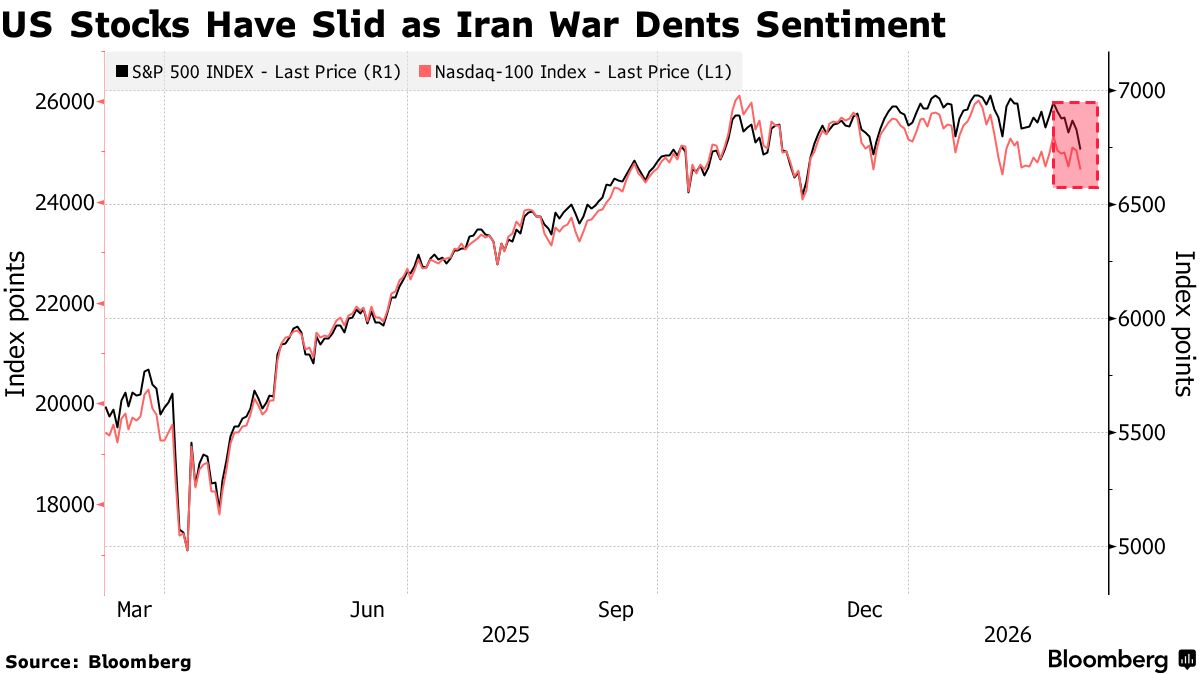
Bloomberg – Yardeni Raises Odds of US Market Meltdown to 35% on Iran War
______
2. Iran Names Mojtaba Khamenei as Supreme Leader
Iran has appointed Mojtaba Khamenei, the hardline son of the late Ayatollah Ali Khamenei, as its new Supreme Leader, signaling a defiant stance as conflict rages across the Middle East. The transition follows the assassination of the elder Khamenei in a joint US-Israeli airstrike on February 28. The effective closure of the Strait of Hormuz has already crippled regional supply, forcing major producers like Iraq, Kuwait, and the UAE to slash output. Bahrain’s Bapco Energies became the latest regional player to declare force majeure as the security crisis threatens the critical 20 million barrels per day transit route.
Brent crude surged nearly 30% to hit $118.91 per barrel early Monday in London before paring gains to trade near $101. The slight retreat followed reports that G7 finance ministers, led by the French presidency, are preparing an emergency meeting to discuss a massive, coordinated release of strategic petroleum reserves. US officials have suggested a release of 300 million to 400 million barrels—potentially the largest in IEA history—to counter the supply shock.
Despite these efforts, global financial markets remain in turmoil; Japan’s Nikkei 225 plunged over 5% on Monday, while the dollar index reached a seven-week high as investors flee to safe-haven assets amid the most severe energy crisis of 2026.
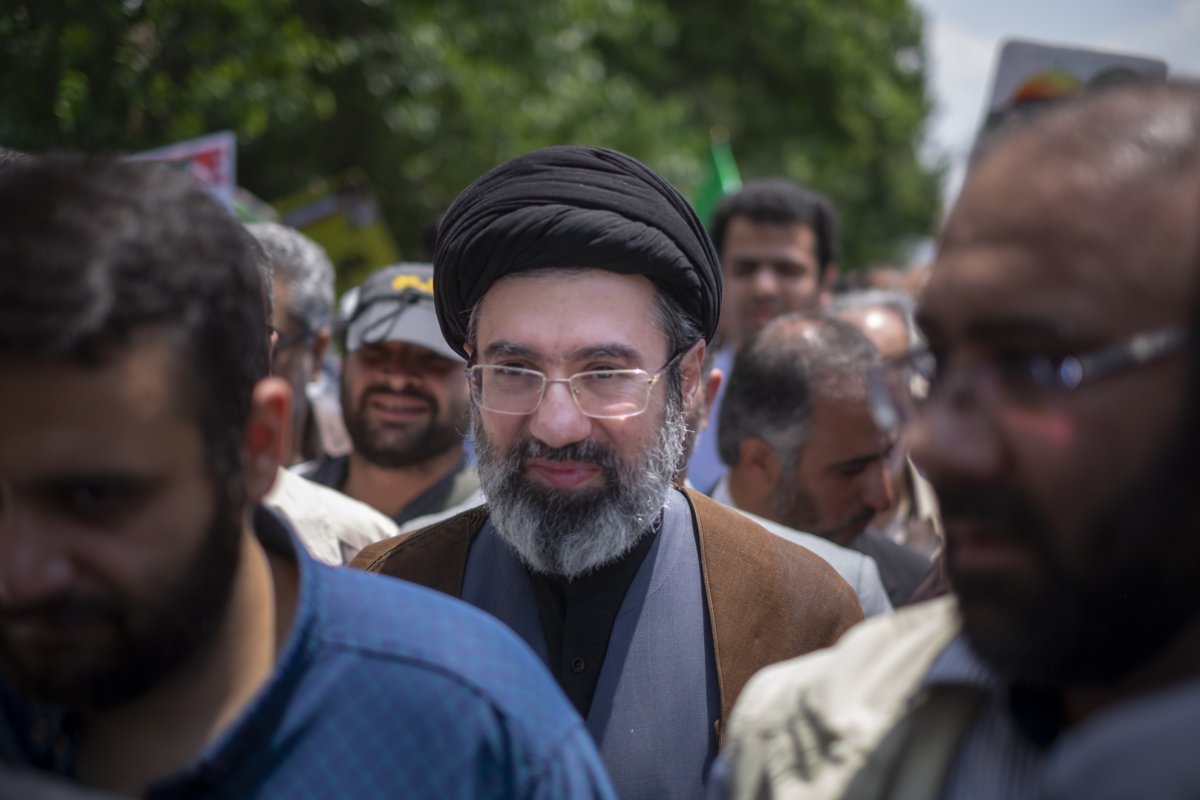
Bloomberg – Iran Signals No Letup in War as Khamenei’s Son Made Leader
______
3. Tesla Whale Leo KoGuan Doubles Nvidia Stake to 2 Million Shares
Billionaire investor Leo KoGuan revealed on X early Saturday that he has purchased an additional 1 million shares of Nvidia Corp., doubling his total position to 2 million shares. The move comes as the escalating war in the Middle East triggers a global selloff across equities and bonds. As one of Tesla’s largest individual shareholders, KoGuan’s aggressive pivot to Nvidia marks a significant diversification of his portfolio, which has historically been tied to a single stock. Estimated to have spent roughly $350 million on his total Nvidia holdings, KoGuan stated his intention was to “contribute a little to calm the nervous market” during these volatile times.
Global equity indexes have trended downward since the U.S. and Israel launched their military campaign against Iran last month. Through Friday’s close, Nvidia has declined about 5% this year, while Tesla has slumped nearly 12%, significantly underperforming the S&P 500’s modest 2% dip. KoGuan, whose net worth is estimated at $13.4 billion, emphasized that he remains “convinced AI is NOT a bubble” but rather the centerpiece of the next industrial revolution.
By adding Nvidia—the dominant provider of AI accelerators—to his holdings alongside Tesla, he is doubling down on his “KQID Time Engine” theory, signaling long-term conviction even as 2026 presents severe macroeconomic challenges.
Bloomberg – Tesla Billionaire Buys More Nvidia to ‘Calm the Nervous Market’
______
4. G7 Finance Ministers to Discuss Emergency Oil Reserve Release
G7 finance ministers will hold an emergency meeting Monday to discuss a coordinated release of strategic petroleum reserves overseen by the International Energy Agency (IEA). The goal is to tackle the surge in oil prices following the escalating conflict in the Gulf. Sources familiar with the talks indicate that three G7 nations, including the US, have expressed support for a joint release in the range of 300 million to 400 million barrels—representing up to 30% of the collective 1.2 billion barrel reserve. News of the meeting helped cool the market; Brent crude, which leapt nearly 30% to $119.50 in Asia trading, pared gains to settle around $105.
The move comes as President Donald Trump faces mounting pressure to halt the steep rise in fuel costs, with US petrol prices jumping from $2.98 to $3.45 a gallon in just one week. The oil price shock threatens a global inflationary surge that could severely damage economic growth, particularly in major importing nations like China, India, Japan, and Italy.
As 2026 progresses, this potential G7 intervention represents a critical attempt to stabilize the global energy landscape and prevent a total breakdown of consumer spending power in the face of Middle Eastern instability.
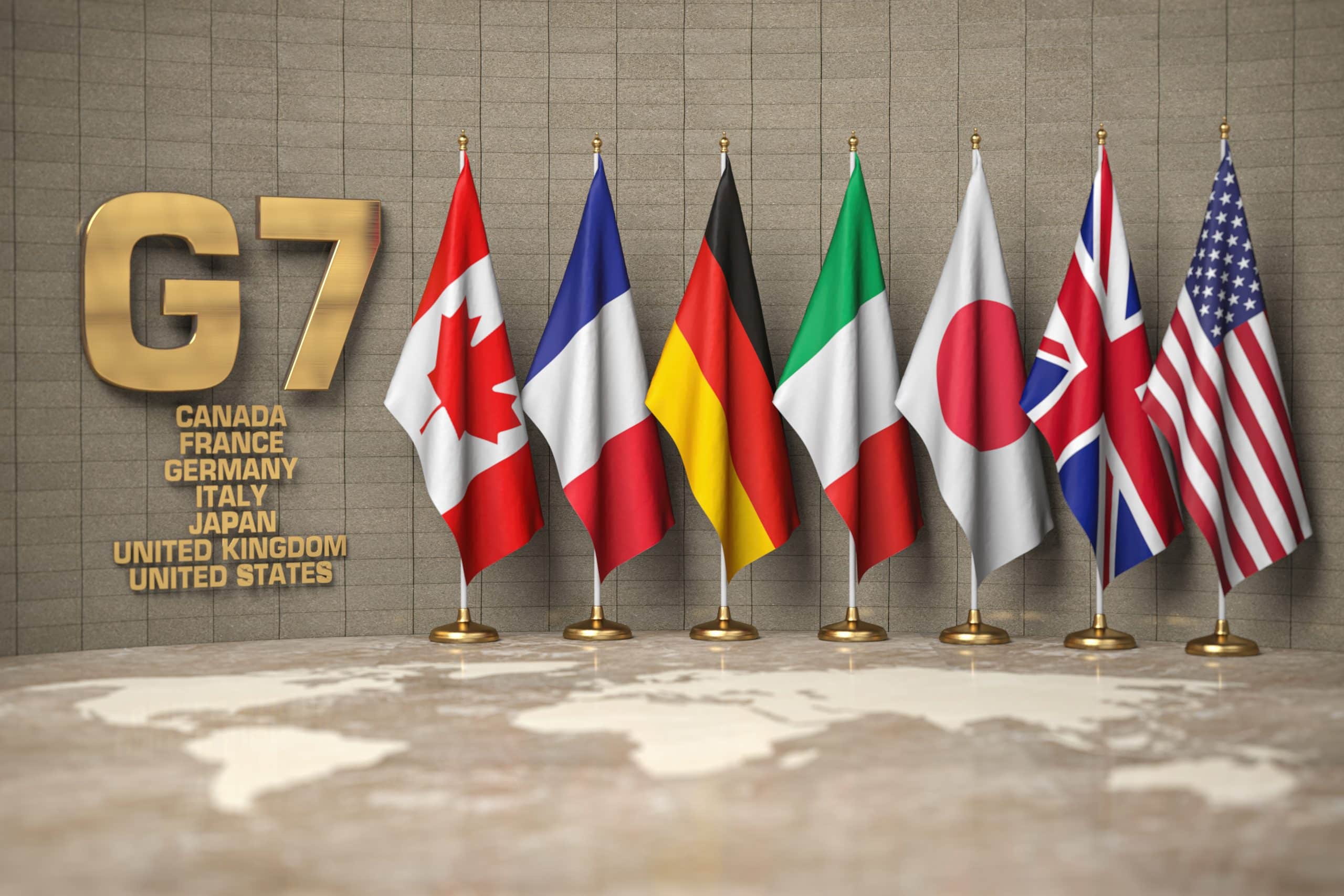
Financial Times – G7 to discuss joint release of emergency oil reserves
______
5. TSA Agents Face Zero-Dollar Paychecks as Airport Security Lines Top 3 Hours
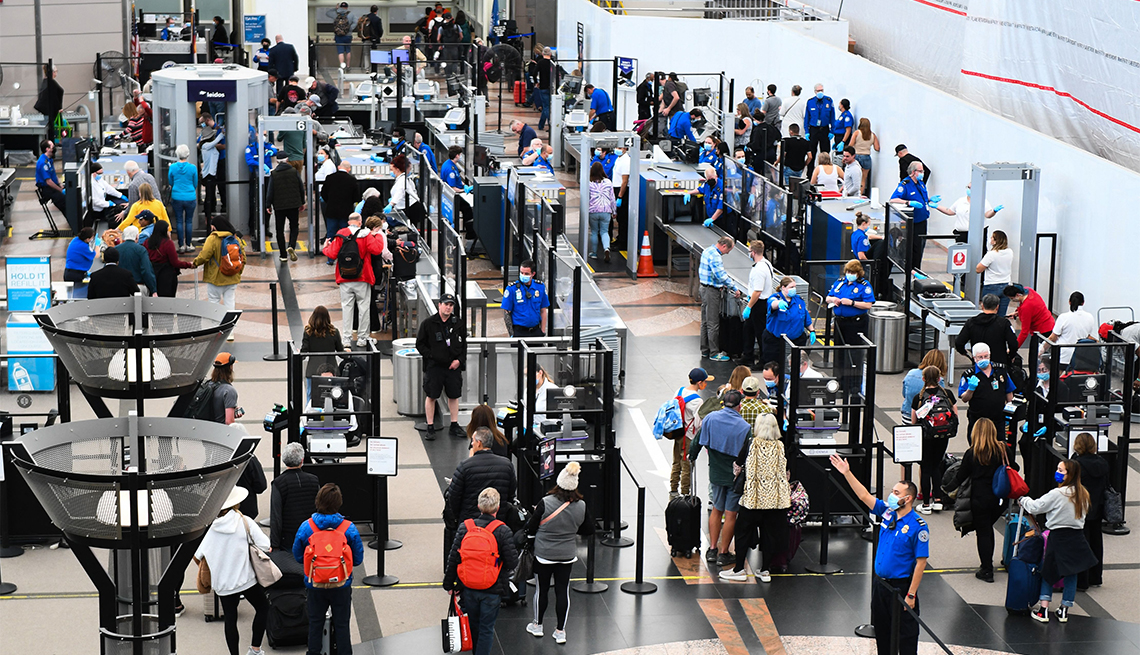
Travelers across the United States are facing extraordinarily long security wait times as a partial government shutdown impacting the Department of Homeland Security (DHS) enters its fourth week. With approximately 50,000 TSA officers poised to miss their first full paycheck this week, staffing shortages have reached critical levels. Houston’s William P. Hobby Airport reported the most severe delays on Sunday, with wait times peaking at 3.5 hours, prompting officials to urge passengers to arrive up to 5 hours early. Similar chaos was seen at Louis Armstrong New Orleans International Airport, where lines snaked into parking garages with 3-hour wait times.
In Atlanta, Hartsfield-Jackson International Airport saw peak wait times exceed one hour as the spring break travel rush collides with reduced federal staffing. The funding impasse stems from ongoing disputes in Congress over border enforcement provisions in the DHS appropriations bill. While the House has passed a measure to reopen the department, Senate roadblocks persist. Industry leaders from Airlines for America (A4A) warned that using the essential aviation workforce as political leverage is “un-American” and creates dangerous vulnerabilities.
As 2026 progresses, aviation experts fear that prolonged financial strain on TSA personnel will not only disrupt holiday travel but also jeopardize security preparations for major upcoming international events like the FIFA World Cup.
Bloomberg – US Airport Lines Worsen as TSA Agents Miss Their First Full Pay
______
6. Microsoft Unveils E7 Workplace Bundle
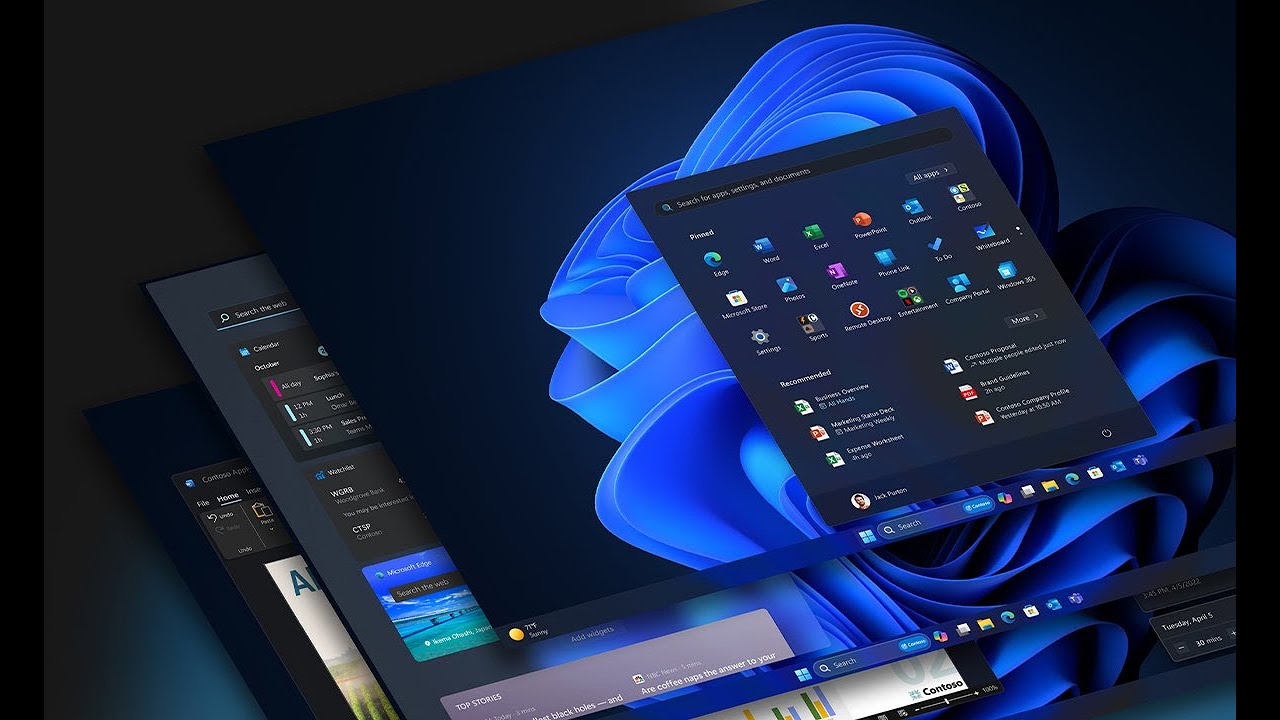
Microsoft Corp. is launching a new flagship software bundle, E7, designed to accelerate the corporate adoption of its artificial intelligence tools in the office. Priced at $99 per user per month, the E7 package represents a 65% price increase over its predecessor, E5. The bundle combines foundational applications like Word and Excel with the Copilot AI assistant and a specialized feature that enables administrators to track and analyze how AI is being utilized across their organizations.
Jared Spataro, Microsoft’s head of workplace applications, noted that the bundle simplifies the purchasing process for customers eager to harness AI. While Microsoft reported over 450 million business users in January, only about 3% currently pay for the Copilot add-on. To address frequent roadblocks regarding compliance and security, Microsoft has included Agent 365—a dedicated monitoring tool—as a central selling point of the E7 package.
This launch marks the first major overhaul of Microsoft’s enterprise bundling strategy in over a decade. As 2026 unfolds, the success of the E7 bundle will be a primary indicator of whether businesses are ready to commit to significantly higher software costs in exchange for integrated generative AI capabilities.
Bloomberg – Microsoft Launches New $99 Per Month AI-Focused Software Bundle
______
7. Anthropic Sues Defense Department Over “Supply Chain Risk” Label
US bank stocks suffered their steepest single-day decline since President Trump’s “liberation day” tariff announcements rattled markets last April. The KBW bank index fell 5.8%, with Goldman Sachs dropping 7.5%, Morgan Stanley sliding 6.9%, and Wells Fargo losing 6.4%.
The selloff was driven by intensifying concerns over banks’ exposure to private credit markets. A large KKR-managed credit fund this week reported a surge in troubled loans and falling investment income, stoking broader fears about the health of private markets amid AI disruption risks. KKR, Ares, and Apollo each fell more than 5%, while Blackstone dropped 3.3%. Jim Caron, Chief Investment Officer at Morgan Stanley Investment Management, pointed squarely to private credit exposure as the central concern weighing on bank stocks.
Adding to the turmoil, Wall Street lenders were scrambling to assess losses from approximately £2 billion in financing extended to Market Financial Solutions, a UK-based mortgage lender that collapsed on Wednesday amid fraud allegations. Barclays, Jefferies, and Apollo’s structured credit arm Atlas SP Partners were among those with exposure.
The London-headquartered firm, which had previously lent to a Bangladeshi politician, is accused of double-pledging its collateral prior to its insolvency filing.

Bloomberg – Anthropic Sues US Government Over Supply Chain Risk Label
______