—— Blackstone Faces Record 7.9% Redemption Requests; Middle East Airspace Paralysis: Over 12,300 Flights Cancelled; Iranian Drones Strike US Embassy in Riyadh; Trump Vows US Military Escorts for Gulf Tankers; NYC Mayor Mamdani Floats 9.5% Property Tax Hike; Blackstone President Dismisses Market Fears as “Ton of Noise”; Blue Owl Tumbles Below IPO Price.
1. Blackstone Faces Record 7.9% Redemption Requests
Private equity titan Blackstone Inc. reported Tuesday that its $82 billion flagship private credit fund, BCRED, is grappling with a record wave of withdrawals. Investors sought to redeem 7.9% of the fund’s shares this quarter, totaling approximately $3.8 billion. To meet 100% of these requests, Blackstone increased a planned tender offer to 7% of total shares and utilized corporate and employee capital to cover the remaining 0.9% gap. While a company spokesperson stated the move underscores Blackstone’s “conviction in BCRED,” the scale of the requests highlights growing unease within the $1.8 trillion private credit industry.
The surge in redemptions is fueled by mounting anxiety over the fund’s exposure to software businesses perceived to be at risk of disruption from generative AI. These concerns add to existing skepticism regarding asset valuations and credit quality across the broader market. Speaking at the Bloomberg Invest conference in New York, Brad Marshall, Blackstone’s global head of private credit strategies, cautioned that these funds are not designed for total liquidity. “Investors should never buy these products if they expect 100% liquidity,” Marshall noted, adding that retail sentiment is often swayed by negative headlines even as institutional inflows hit record highs in Q4.
Blackstone plans to reassess market conditions in the second quarter of 2026 to determine if further liquidity gates will be necessary.
Bloomberg – Blackstone’s Flagship Private Credit Fund Hit by Record Redemptions
______
2. Middle East Airspace Paralysis: Over 12,300 Flights Cancelled
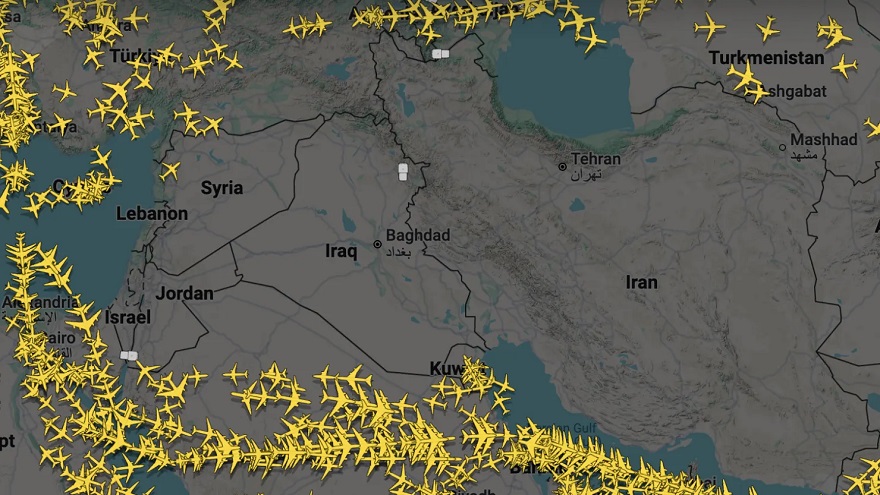
Airlines worldwide are suspending more flights to the Middle East as the regional conflict enters its fourth day of escalation. According to Flightradar24, over 12,300 flights have been cancelled across the region since Iran’s initial retaliatory strike, severely impacting major transfer hubs like Dubai and Doha. The disruption is expected to reverberate for weeks, as aircraft and crews are currently “out of position,” stranded far from their scheduled rotations. Tens of thousands of passengers remain stuck at airports, prompting several carriers to launch emergency evacuation flights to repatriate citizens.
In a sign of slight improvement, the UAE Ministry of Economy announced Tuesday the establishment of “safe air corridors,” designed to facilitate up to 48 flights per hour. More than 80 additional flights are being scheduled to clear the backlog, with a projected capacity exceeding 27,000 passengers. However, aviation experts caution that international travel costs for 2026 are likely to spike due to soaring insurance premiums and the necessity of longer, fuel-intensive detours around the conflict zone.
While the safe corridors offer a temporary reprieve, the long-term restoration of the Middle East’s status as a global transit gateway remains uncertain.
Bloomberg – Airline Cancellations Top 12,000 as Iran Targets More Sites
______
3. Iranian Drones Strike US Embassy in Riyadh
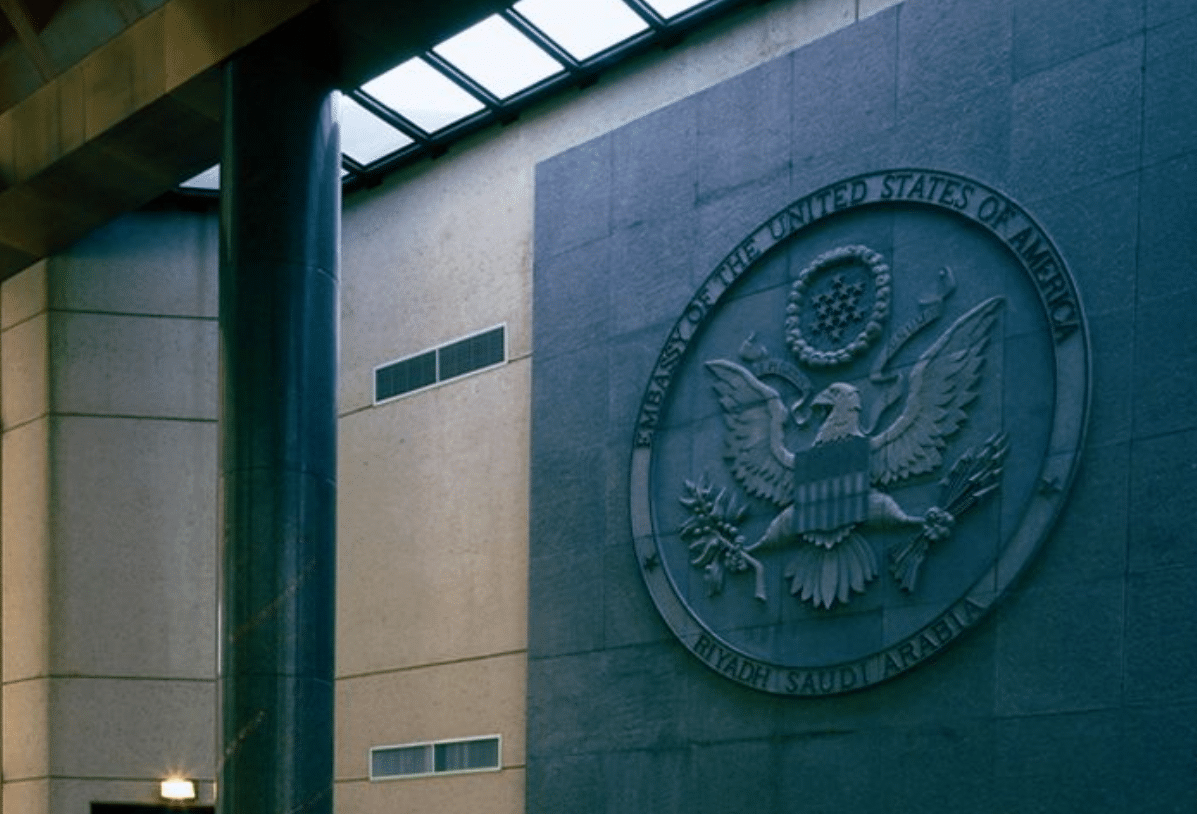
Two suspected Iranian drones struck the US Embassy in Riyadh early Tuesday, hitting the chancery’s roof and perimeter and igniting a fire. According to a statement from the Saudi Ministry of Defense, the attack caused limited fire and minor material damage, though no casualties were reported within the compound. In response, the US Mission to Saudi Arabia suspended all services on Tuesday and issued an urgent shelter-in-place order for American citizens in Riyadh, Jeddah, and Dhahran. The State Department has further advised US nationals across the Middle East to evacuate as quickly as possible due to “serious safety risks” stemming from the regional escalation.
President Donald Trump addressed the strike in an interview with NewsNation on Tuesday, warning that an American response is imminent. “You’ll find out soon,” Trump said regarding the nature of the retaliation, while noting that a ground invasion of Iran may not be necessary at this stage as current operations are “inflicting tremendous damage.” The drone strike follows a weekend of intense regional conflict after US and Israeli strikes decapitated Iran’s top leadership.
Saudi defense forces reportedly intercepted eight additional drones near Riyadh on Tuesday morning, as residents in the capital’s Diplomatic Quarter described hearing loud explosions and seeing black smoke billowing from the US mission compound.
Bloomberg – US Embassy in Riyadh Attacked as Iran Steps Up Saudi Strikes
______
4. Trump Vows US Military Escorts for Gulf Tankers
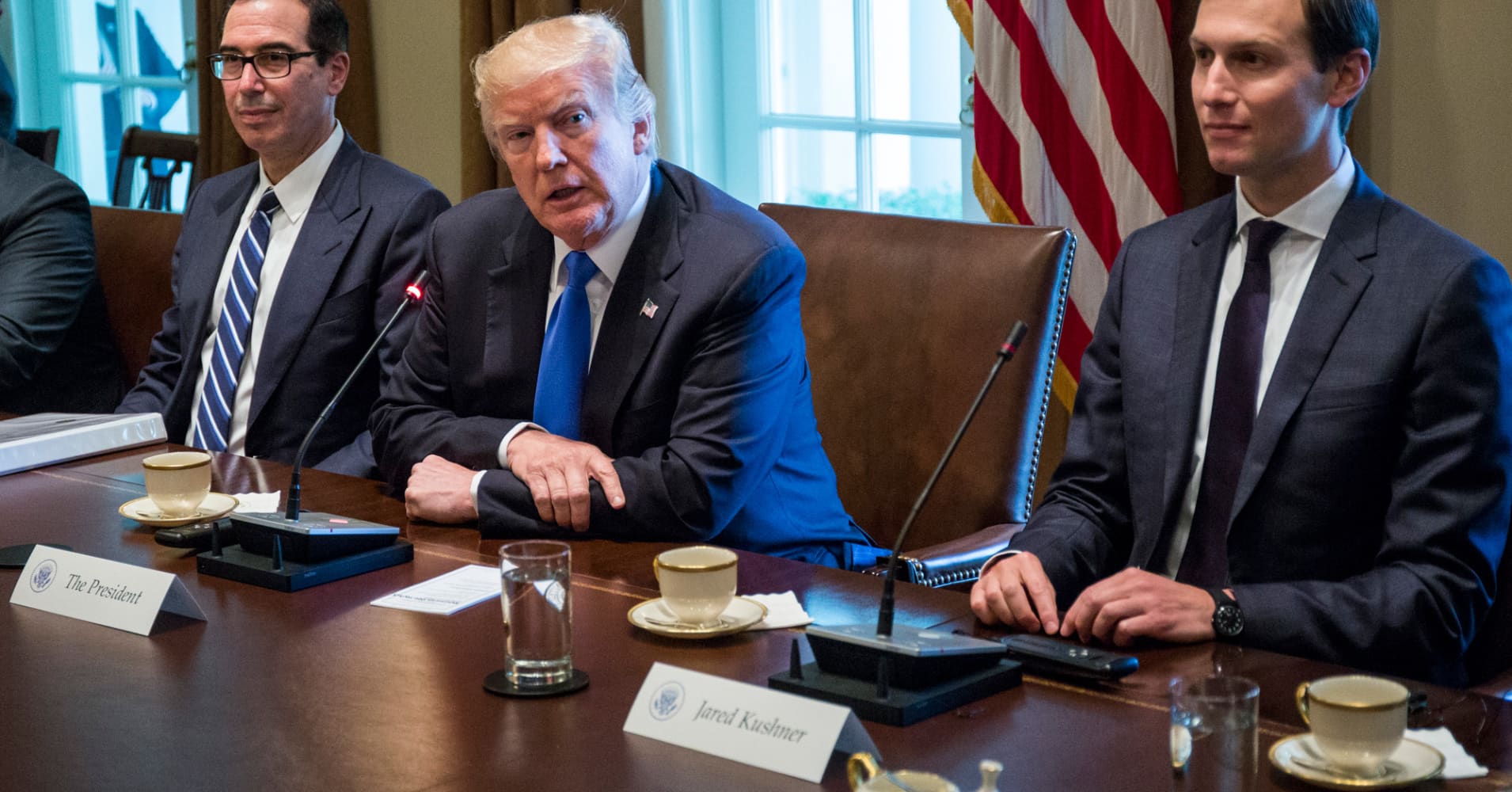
In a major bid to calm surging energy prices fueled by the US-Israel war on Iran, President Donald Trump announced Tuesday that the US military could begin escorting oil and gas tankers through the Gulf “as soon as possible.” Writing on his Truth Social platform, Trump stated that the United States will use its “economic and military might” to ensure the “free flow of energy to the world,” responding to the near-paralysis of shipping lanes following recent Iranian retaliatory strikes.
To further stabilize the sector, Trump has ordered the US Development Finance Corporation (DFC) to back insurance costs for maritime trade. The initiative will provide “political risk insurance and guarantees” at reasonable prices for all shipping lines traveling through at-risk waters, specifically targeting energy transports. The move is designed to counter the skyrocketing premiums that have threatened to drive global fuel prices to record highs in 2026.
While Trump promised that “more actions” are forthcoming, geopolitical analysts warn that direct military escorts may heighten the risk of a full-scale naval confrontation with Iranian forces, leaving the future of global energy security in a delicate balance.
Financial Times – US military prepared to escort oil tankers in the gulf — Trump
______
5. NYC Mayor Mamdani Floats 9.5% Property Tax Hike
New York City Mayor Zohran Mamdani has proposed a 9.5% increase in property taxes as part of his $127 billion preliminary budget for fiscal year 2027. Framed as a “Plan B” or last resort, the Mayor indicated the hike would only be implemented if state lawmakers in Albany refuse his preferred “Path One”—raising taxes on the city’s wealthiest residents earning over $1 million and profitable corporations. With Governor Kathy Hochul currently opposed to new wealth taxes, the property tax increase has emerged as the most likely lever to close a looming $5.4 billion fiscal deficit inherited from the previous administration.
While the levy targets property owners, housing advocates and economists warn that the most vulnerable New Yorkers will bear the brunt of the increase. Landlords typically pass higher operating costs directly to tenants through rent hikes, a move that would devastate the city’s already strained rental market. Furthermore, experts predict energy bills could soar as utilities like Con Edison pass their increased property tax burdens on to consumers. City Comptroller Mark Levine has called the current tax system “profoundly unfair and inconsistent,” arguing that a flat increase would be regressive and punish the middle class.
As the Mayor prepares for a legislative battle with a skeptical City Council, New Yorkers face a June deadline to see if this controversial proposal becomes reality in the final budget.
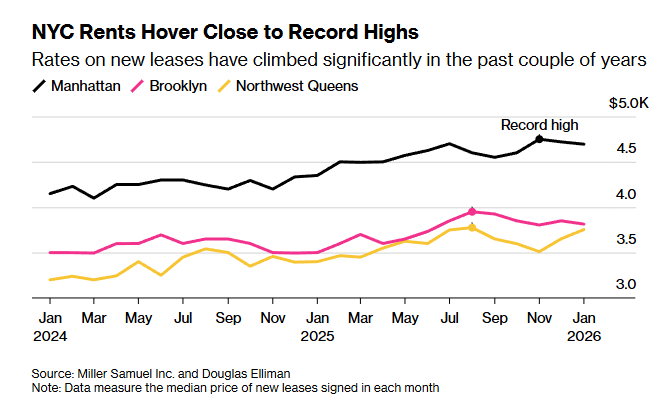
Bloomberg – Mamdani’s Tax Threat Risks Worsening NYC Housing Crisis He’s Trying to Fix
______
6. Blackstone President Dismisses Market Fears as “Ton of Noise”
Blackstone Inc. President Jon Gray pushed back against growing skepticism over the private credit market on Tuesday, labeling the current wave of anxiety a “ton of noise” during an interview with CNBC. His comments came as Blackstone shares tumbled to their lowest level since November 2023, hitting $110.20 after the firm’s flagship BCRED fund disclosed it would fulfill a record 7.9% in redemption requests. Gray acknowledged that while the situation has morphed into a media “story” that naturally rattles investors and financial advisors, the fundamental performance of the portfolio remains intact.
The unease in the sector has been amplified by high-profile failures and allegations of financial misconduct. Last week, UK-based mortgage firm Market Financial Solutions (MFS) collapsed into insolvency amid accusations of “double-pledging” assets, leaving lenders like Barclays, Wells Fargo, and Jefferies exposed to a potential $1.25 billion collateral shortfall. Gray argued that these incidents, along with the recent liquidations of Tricolor Holdings and First Brands Group, are idiosyncratic cases often tied to bank-originated credits rather than systemic flaws in private lending.
Although Blackstone and its employees injected $400 million to ensure 100% of redemption requests were met, market analysts note that the industry is entering a “hairpin turn” as AI-related disruption risks in software portfolios and tighter regulatory scrutiny weigh on the $1.8 trillion private debt market throughout 2026.
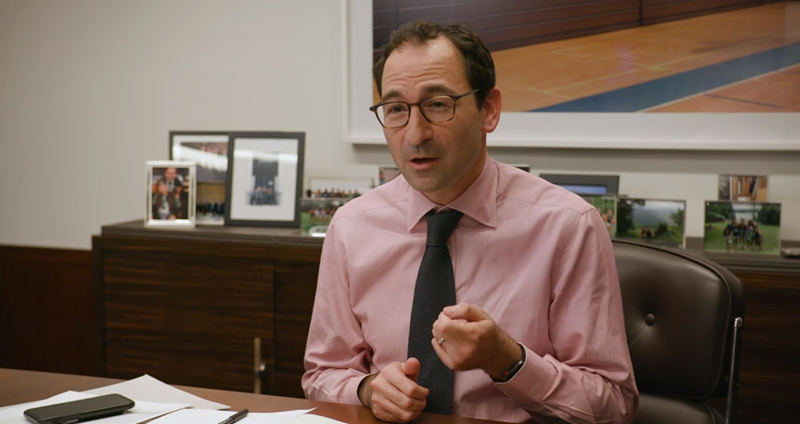
Bloomberg – Blackstone’s Gray Defends Credit Portfolio Marks as Shares Slump
______
7. Blue Owl Tumbles Below IPO Price
US bank stocks suffered their steepest single-day decline since President Trump’s “liberation day” tariff announcements rattled markets last April. The KBW bank index fell 5.8%, with Goldman Sachs dropping 7.5%, Morgan Stanley sliding 6.9%, and Wells Fargo losing 6.4%.
The selloff was driven by intensifying concerns over banks’ exposure to private credit markets. A large KKR-managed credit fund this week reported a surge in troubled loans and falling investment income, stoking broader fears about the health of private markets amid AI disruption risks. KKR, Ares, and Apollo each fell more than 5%, while Blackstone dropped 3.3%. Jim Caron, Chief Investment Officer at Morgan Stanley Investment Management, pointed squarely to private credit exposure as the central concern weighing on bank stocks.
Adding to the turmoil, Wall Street lenders were scrambling to assess losses from approximately £2 billion in financing extended to Market Financial Solutions, a UK-based mortgage lender that collapsed on Wednesday amid fraud allegations. Barclays, Jefferies, and Apollo’s structured credit arm Atlas SP Partners were among those with exposure.
The London-headquartered firm, which had previously lent to a Bangladeshi politician, is accused of double-pledging its collateral prior to its insolvency filing.
Financial Times – Blue Owl slides below listing price as private credit worries mount
______