—— Warner Bros Discovery Reopens Sale Talks with Paramount; Gemini Space Station Rocked by C-Suite Exodus; Top Fund Manager Warns of AI “Existential Threat” to Application Software; Blackstone to Acquire Champions Group for $2.5 Billion; NYC Mayor Mamdani Proposes First Property Tax Hike; Bayer Agrees to $7.25 Billion Settlement Over Roundup Cancer Suits
1. Warner Bros Discovery Reopens Sale Talks with Paramount
Warner Bros Discovery (WBD) has agreed to restart acquisition negotiations with rival studio Paramount Skydance after the suitor sweetened its proposal, setting the stage for a new showdown with Netflix. According to a statement released this Tuesday, Netflix—previously described by WBD as its preferred bidder—has granted a seven-day waiver to allow the board to discuss Paramount’s latest offer. The decision followed an informal communication from a Paramount advisor suggesting the firm would raise its bid to at least $31 per share, representing a $1 increase over its previous proposal, provided WBD returned to the table. WBD leadership is now seeking to review these updated terms and other aspects of the bid in formal writing.
WBD Chief Executive David Zaslav emphasized that the company’s priority remains maximizing value and certainty for its shareholders. While the board currently continues to recommend a $72 billion (or $27.75 per share) binding agreement to sell WBD’s movie studios and HBO Max business to Netflix, the competing $77.9 billion all-cash bid from Paramount offers a significantly higher total valuation. Unlike the Netflix deal, which involves spinning off cable assets like CNN and TNT, the Paramount offer—backed by Oracle founder Larry Ellison—seeks to acquire the entirety of the corporation. WBD has scheduled a pivotal shareholder vote on the Netflix merger for March 20.
Following the announcement, WBD shares rose 2.5% in premarket trading, while Paramount and Netflix gained 2.7% and 1.2% respectively, as investors anticipate a potential bidding war for the media giant.
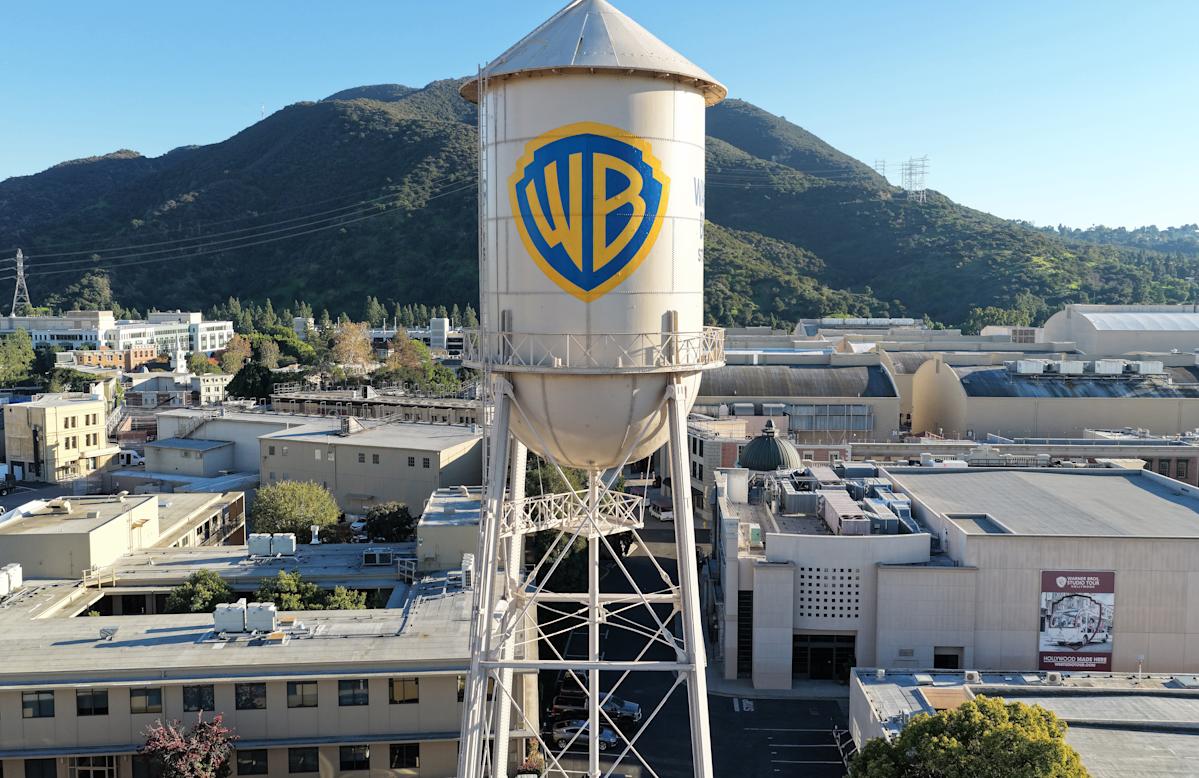
Bloomberg – Warner Bros. Reopens Talks as Paramount Signals Higher Bid
______
2. Gemini Space Station Rocked by C-Suite Exodus
Just five months after its Nasdaq debut, cryptocurrency exchange Gemini Space Station (GEMI) has announced a major leadership shake-up. Chief Operating Officer Marshall Beard, Chief Financial Officer Dan Chen, and Chief Legal Officer Tyler Meade have all departed the firm effective immediately. Beard also resigned from the company’s board of directors. Gemini stated it does not intend to appoint a successor for the COO role at this time, with co-founder Cameron Winklevoss assuming those responsibilities, while interim appointments have been made for the finance and legal heads. This abrupt exit of the core leadership team follows a massive restructuring plan announced earlier this month, which included cutting 25% of its global workforce and shuttering operations in the UK, EU, and Australia.
The executive departures coincide with a worsening financial outlook. Preliminary estimates for 2025 suggest that while net revenue may rise to between $165 million and $175 million, the firm projects a staggering net loss in the range of $587 million to $602 million due to surging personnel and regulatory costs. CEO Tyler Winklevoss has defended the pivot, arguing that a leaner structure enhanced by AI will allow Gemini to focus on high-growth areas like its new prediction markets platform. However, the market reaction has been severe; GEMI shares have plummeted more than 70% from their $28 IPO price, leaving the company with a market capitalization below $900 million.
Analysts warn that the simultaneous loss of top operational, financial, and legal talent creates significant execution risk as the firm struggles to navigate a volatile crypto landscape and reach profitability by 2026.
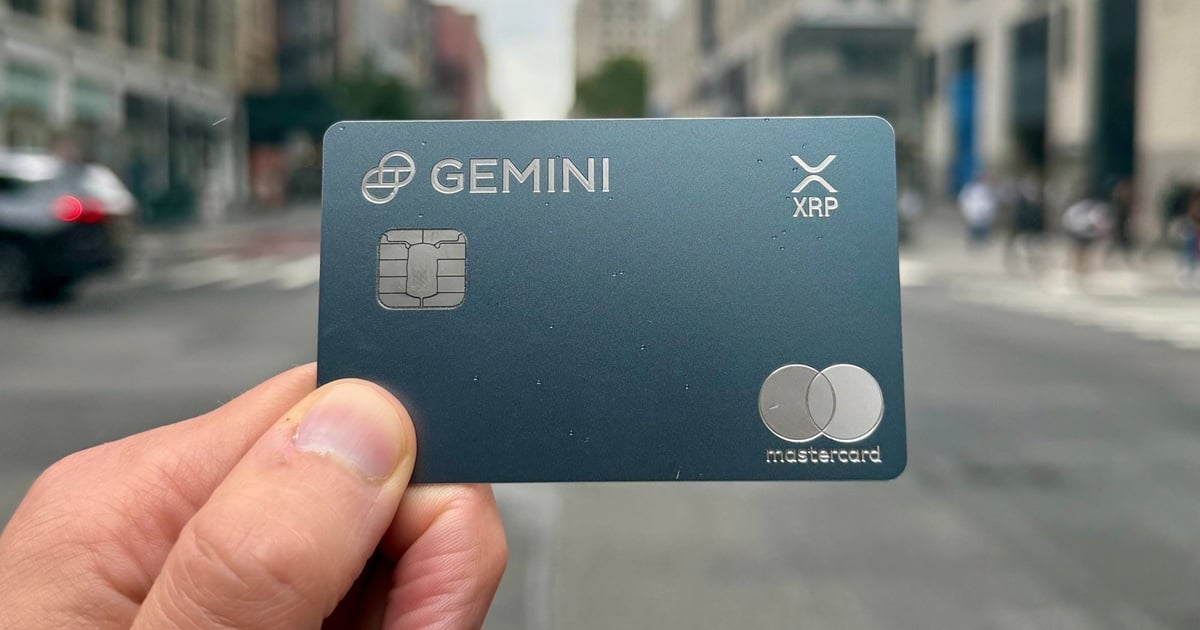
Bloomberg – Gemini Parts Ways With Three Top Executives Months After IPO
______
3. Top Fund Manager Warns of AI “Existential Threat” to Application Software
Nick Evans, a fund manager at Polar Capital, has issued a stark warning that the application software sector faces an existential threat from artificial intelligence. Evans, whose $12 billion global technology fund has outperformed 99% of its peers over the past year and 97% over five years, believes that the rise of sophisticated AI tools like Anthropic’s Claude Cowork is disrupting traditional business models. Reflecting these fears, an ETF tracking the US software sector has tumbled 22% this year, a sharp divergence from semiconductor stocks that have rallied on AI-driven computing demand.
According to Evans, AI coding tools have advanced to the point where they can replicate and modify much of today’s existing software, leaving established firms to compete against both agile AI startups and their own customers who are increasingly building internal tools. Acting on this conviction, Evans has liquidated nearly all holdings in the sector—including SAP, ServiceNow, Adobe, and HubSpot—retaining only a small position and call options in Microsoft. As of late January, seven of the fund’s top ten positions were semiconductor firms, with Nvidia accounting for nearly 10% of the portfolio. Beyond chips, Evans remains bullish on networking gear, fiber optics, and power infrastructure for data centers.
He cautioned that current valuations may not yet account for the uncertainty surrounding terminal values or the potential squeeze on free cash flow as falling stock prices force companies to increase cash-based employee compensation.
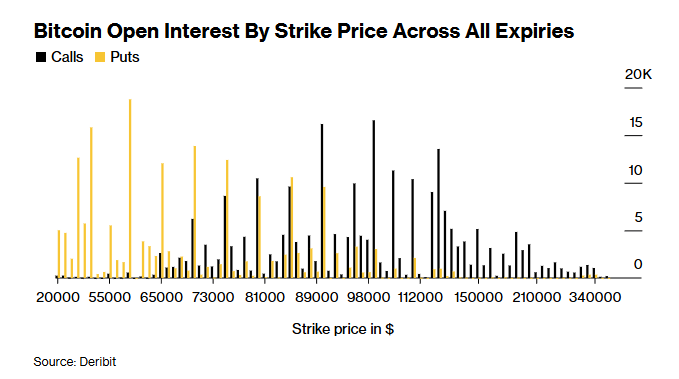
Bloomberg – Fund Beating 99% of Peers Sees Few Software Firms Surviving AI
______
4. Blackstone to Acquire Champions Group for $2.5 Billion
Blackstone Inc. has agreed to acquire residential services provider Champions Group from Odyssey Investment Partners in a deal valued at approximately $2.5 billion. Based in Orange County, California, Champions Group specializes in essential home services including heating, air conditioning, plumbing, and electrical work. The company operates an integrated model with over 1,800 field technicians and 150,000 active members. Under the terms of the agreement, Odyssey and the current management team will retain a significant minority investment alongside Blackstone.
The investment is being made through Blackstone’s retail-focused perpetual private equity strategy, known as BXPE. This acquisition highlights a growing trend among private equity firms to seek refuge in sectors perceived as less vulnerable to disruption from artificial intelligence. Residential services are considered a “recession-resilient” sector, as homeowners consistently require maintenance and repairs regardless of economic conditions. Michael Staub, Senior Managing Director at Blackstone, noted that the partnership presents an opportunity to redefine what homeowners expect from service providers through enhanced scale and quality.
The transaction is expected to close in the first half of 2026, subject to customary regulatory approvals.
Bloomberg – Blackstone Agrees to Acquire Champions for About $2.5 Billion
______
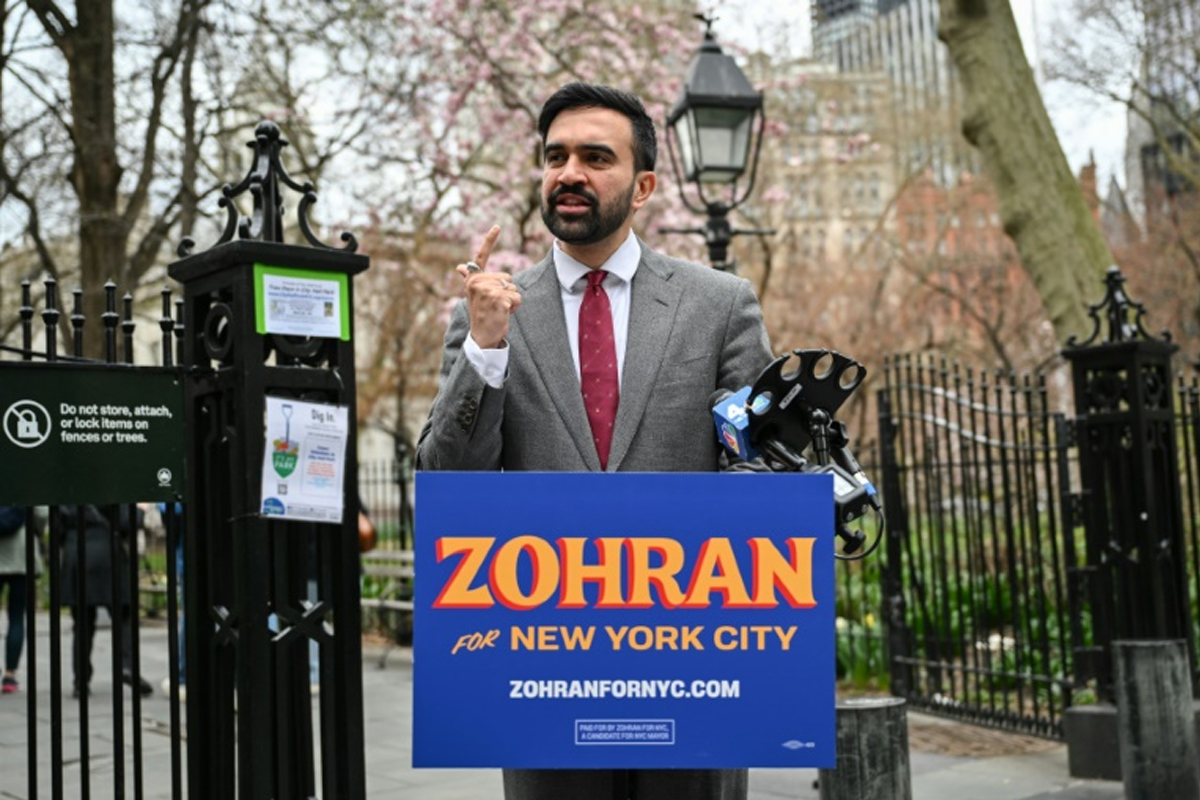
5. NYC Mayor Mamdani Proposes First Property Tax Hike
New York City Mayor Zohran Mamdani plans to propose a property tax increase for the first time in over twenty years as part of his administration’s preliminary budget proposal. The strategy aims to bridge a roughly $5 billion deficit by combining tax hikes with the utilization of city reserve funds. New York City Comptroller Mark Levine characterized the move as an “extreme option” that relies on aggressive revenue projections. The proposal follows an announcement from Governor Kathy Hochul that the state will provide $1.5 billion in additional aid over the next two fiscal years, alongside $510 million in recurring future funding to stabilize the city’s precarious financial footing.
Mayor Mamdani has attributed the city’s extraordinary $12.6 billion two-year shortfall to chronic underbudgeting by former Mayor Eric Adams’ administration, particularly in areas such as cash assistance, shelter costs, special education, and overtime. While Mamdani has advocated for higher taxes on the wealthiest residents and most profitable corporations, Governor Hochul remains opposed to such measures at the state level. This has left the mayor with few alternatives beyond property taxes—a major local revenue source that has remained relatively flat for decades.
The proposed hike marks a high-stakes political gamble for the 34-year-old democratic socialist, whose victory last November was centered on a platform of citywide affordability and populist economic reform.
Bloomberg – Mamdani Plans to Hike NYC Property Tax to Fill $5 Billion Hole
______
6. SpaceX Weighs Dual-Class Shares for Historic IPO
SpaceX is considering a dual-class share structure for its planned initial public offering later this year, according to sources familiar with the matter. The two-tier arrangement would grant select shareholders enhanced voting power, allowing billionaire founder Elon Musk to maintain dominant control over strategic decisions even with a minority equity stake. The strategy mirrors a governance approach Musk previously floated for Tesla Inc. As part of its IPO readiness, the rocket and satellite manufacturer is also expanding its board of directors to steer the public listing and drive expansion beyond its core aerospace missions.
The company aims to raise as much as $50 billion in the offering, which would position it as the largest IPO in history. The fresh capital is earmarked for ambitious projects including the construction of AI data centers in orbit and a manufacturing facility on the moon. Earlier this month, SpaceX officially acquired Musk’s AI venture xAI, transforming the company into a vertically integrated platform combining space-based internet, heavy-lift rockets, and frontier artificial intelligence. Musk has emphasized that space-based data centers can bypass terrestrial energy constraints by leveraging near-continuous solar power and orbital cooling.
With the merger complete, the combined entity’s private market valuation has surged to $1.25 trillion, while reports suggest the company is targeting a $1.5 trillion valuation for its public debut.

Bloomberg – SpaceX Is Said to Weigh Dual-Class Shares in IPO to Empower Musk
______
7. Bayer Agrees to $7.25 Billion Settlement Over Roundup Cancer Suits
German conglomerate Bayer AG has proposed a comprehensive settlement of up to $7.25 billion to resolve current and future lawsuits alleging that its Roundup weedkiller causes non-Hodgkin’s lymphoma. The proposed class-action agreement, filed in a St. Louis circuit court on Tuesday, is designed to provide closure over a 21-year period for claims involving the glyphosate-based herbicide. As part of this broader effort, Bayer has reportedly secured separate deals worth at least $3 billion to settle existing U.S. cases, including a resolution for a massive $2.1 billion verdict handed down by a Georgia jury last year.
The Roundup litigation has haunted Bayer since its $63 billion acquisition of Monsanto in 2018, with the company having already paid out more than $11 billion in previous settlements and verdicts. CEO Bill Anderson noted that the new agreement provides an “essential path out of litigation uncertainty,” allowing the company to focus on its core innovations. The move comes as the U.S. Supreme Court prepares to hear a pivotal appeal from Bayer regarding whether federal labeling laws should preempt state-based failure-to-warn claims.
Following the announcement, Bayer shares surged as much as 8.4% in Frankfurt, their largest gain in over two years, as investors cheered the prospect of a definitive cap on the company’s legal liabilities.

Bloomberg – Bayer Seeks to Pay More Than $7 Billion for Roundup Settlements
______