—— Manhattan Luxury Home Sales Surge; Alphabet Chip Business Drives Growing Investor Optimism; Kroger Cuts Full-Year Sales Outlook; US Jobless Claims Fall to Lowest in Over Three Years; Meta to Cut Metaverse Spending by Up to 30%; Microsoft lowers expectations for AI cloud marketplace sales; Japan’s 10-Year Bond Yield Hits Highest Level Since 2007
1. Manhattan Luxury Home Sales Surge
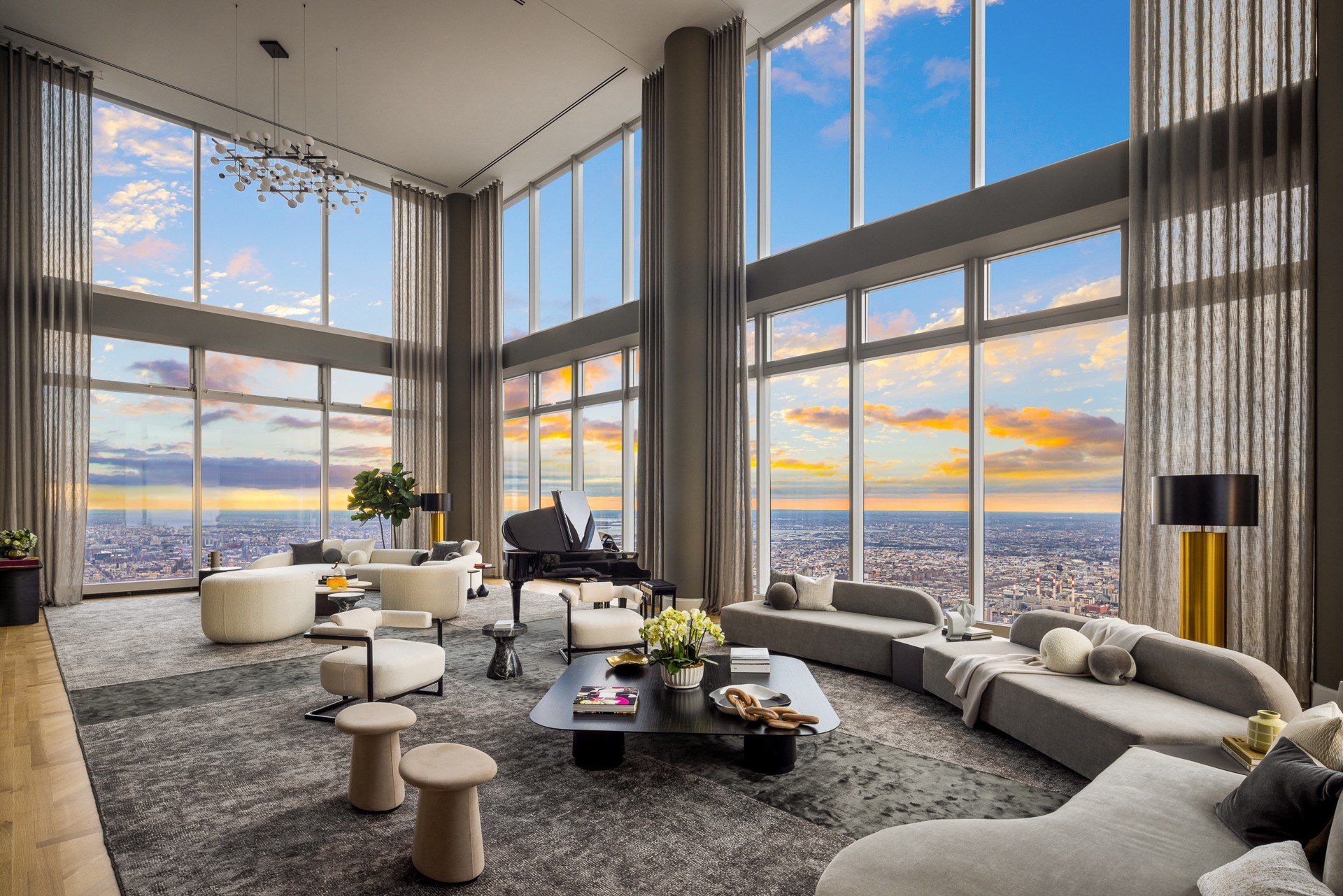
Sales of luxury homes in Manhattan jumped in November, contradicting predictions that the election of Mayor Zohran Mamdani would drive wealthy residents out of the city.
Buyers signed 176 contracts for homes priced at $4 million or more, a 25% increase from the 141 deals in October, according to Miller Samuel and Douglas Elliman. Major transactions included condos at The 74 on the Upper East Side and 53 West 53 on Billionaires’ Row, each selling for roughly $24 million.
During the mayoral race, critics warned Mamdani’s policies could prompt an exodus of high-income New Yorkers, undermining the tax base and hurting the property market. One month later, affluent buyers appear unmoved — and in some cases, even more eager. Donna Olshan of Olshan Realty said the recent stock market rally and sizable Wall Street bonuses have encouraged wealthy residents to shop for homes this fall.
“There is no Mamdani effect,” Olshan said. “The idea that people would flee New York was overblown.”
Her firm’s report showed that 41 luxury homes were signed during the week of the mayoral election, with more than half finalized after Mamdani’s victory.
With limited new supply in prime neighborhoods like the West Village and Upper West Side, buyers are still aggressively searching, said developer Naftali Group CEO Miki Naftali. “Yes, there is a new mayor and there are worries, but our clients say, ‘We love New York.’ There is no slowdown.”
Corcoran broker Noble Black added that wealthy clients are transacting “in spite of Mamdani.” Some remain wary of potential millionaire taxes, but those most concerned have already left for lower-tax states like Florida. Buyers who remain doubt such proposals will actually materialize.
Bloomberg – Manhattan Luxury Apartment Market Surges in Month After Mamdani’s Win
______
2. Alphabet Chip Business Drives Growing Investor Optimism
Alphabet Inc. investors are increasingly confident that the company’s semiconductor efforts could become a major future revenue engine.
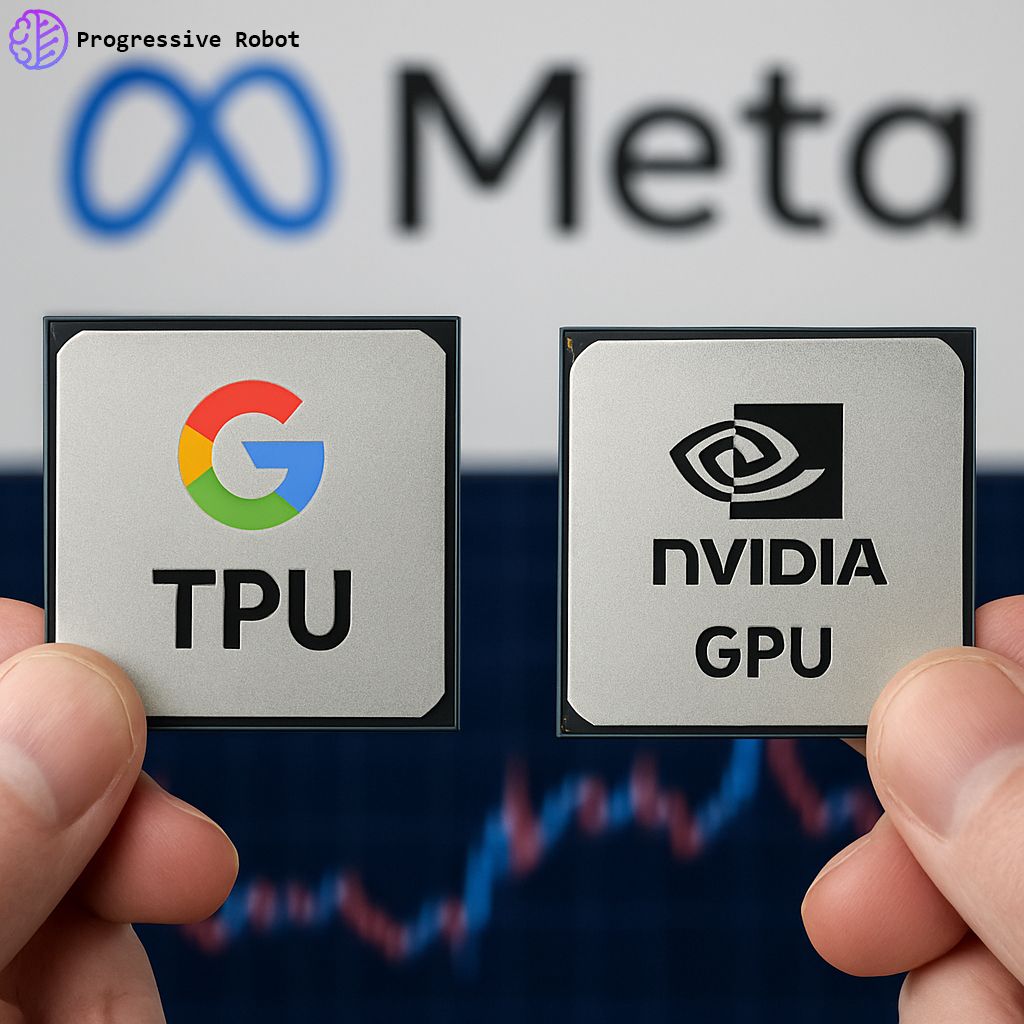
The company’s tensor processing unit (TPU) chips have been a key driver of Alphabet’s 31% fourth-quarter rally — the tenth-best performance in the S&P 500 Index. TPUs have long been viewed internally as a major strength that improves Google Cloud’s performance. Now, however, growing optimism suggests Alphabet may start selling the chips to third parties, potentially unlocking a revenue stream that could approach $1 trillion.
“If companies want to diversify away from Nvidia, TPUs are a good way to do it, and that’s why people are optimistic,” said Gil Luria, head of technology research at DA Davidson. “The chip business could ultimately be worth more than Google Cloud. But even if Alphabet never sells a single chip externally, a better chip means a better, more efficient cloud.”
Should Alphabet seriously pursue chip sales, Luria estimates that TPUs could capture 20% of the AI chip market within a few years — roughly a $900 billion opportunity.
Alphabet declined to comment. A Nvidia spokesperson pointed to a recent remark by CEO Jensen Huang: “As a company, you’re competing against teams. And there just aren’t that many teams in the world who are extraordinary at building these incredibly complicated things.”
In late October, Alphabet announced it would supply tens of billions of dollars worth of chips to Anthropic, sending the stock up more than 6% over two sessions. A month later, The Information reported that Meta Platforms Inc. is in talks to spend billions for TPU access, triggering another jump in Alphabet shares.
TPUs are application-specific integrated circuits (ASICs), purpose-built to accelerate machine-learning tasks. That makes them less flexible than Nvidia GPUs but also cheaper, an advantage at a time when investors are scrutinizing AI spending.
“Nvidia chips are much more costly and hard to get, but if you can use an ASIC, Alphabet is right there — and it leads that market by far,” said Mark Iong, equity portfolio manager at Homestead Advisers. “It won’t dominate the entire market, but this is part of the stock’s secret sauce.”
The launch of Alphabet’s latest Gemini AI model — optimized to run on TPUs and widely praised — further validated the value of the chips.
Bloomberg – Alphabet’s AI Chips Are a Potential $900 Billion ‘Secret Sauce’
______
3. Kroger Cuts Full-Year Sales Outlook
Kroger Co. lowered the top end of its full-year sales forecast, signaling intensifying competition among food retailers as consumers become more discerning with their spending.
The largest US supermarket operator said comparable sales excluding fuel are now expected to rise 2.8% to 3%, compared with its prior outlook of 2.7% to 3.4%. Even for essentials like groceries, shoppers are seeking ways to stretch their budgets by buying more private-label items and focusing on discounts. With inflation and job-market concerns lingering, consumers have cut back on discretionary spending and are becoming increasingly selective about what they buy.
Kroger shares fell 1.4% in New York premarket trading Thursday. The stock is up about 8% this year, trailing the S&P 500’s 16% gain.
The company is emphasizing value by bringing back paper coupons, improving fresh food assortments, and expanding its private-label lineup. While overall food inflation has held in the low-single-digit range, items such as beef and coffee have seen much steeper price increases.
Kroger said it is also investing to keep prices competitive. Rival retailers are doing the same: Walmart Inc. noted last month that more than half of its rollbacks are in grocery, while Target Corp. is lowering prices on thousands of food, beverage, and household items.
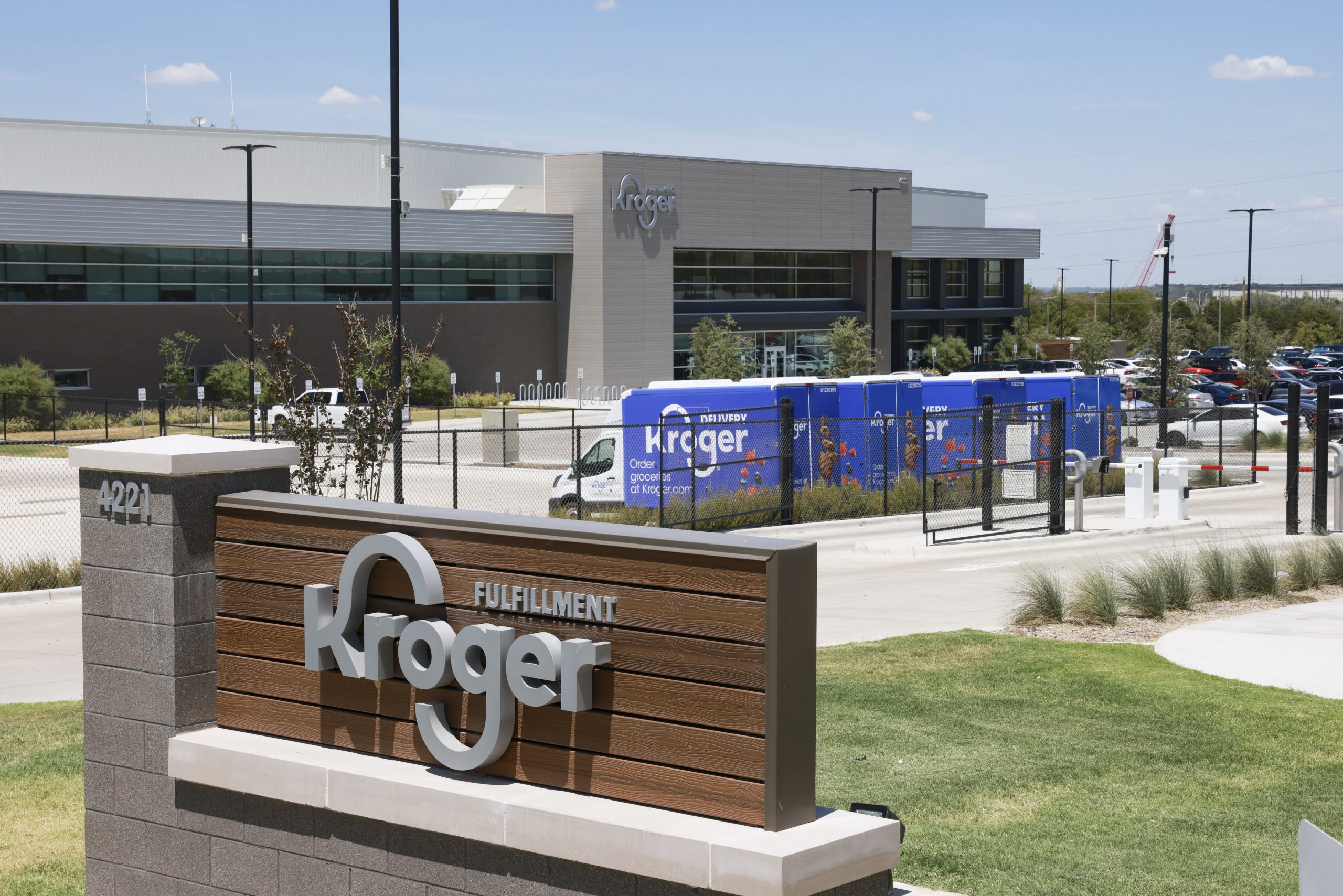
The company also announced last month that it will close several e-commerce fulfillment centers, resulting in $2.6 billion in impairment and related charges in the most recent quarter. The Ocado-built facilities are set to shut down in January, with Kroger instead expanding partnerships with delivery providers such as Instacart.
Bloomberg – Kroger Cuts Guidance as Shoppers Get Choosy About Spending
______
4. US Jobless Claims Fall to Lowest in Over Three Years
Applications for US unemployment benefits fell last week to the lowest level in more than three years, indicating that employers are still holding onto workers despite a wave of recent layoff announcements.
Initial claims dropped by 27,000 to 191,000 in the week ended Nov. 29, which included the Thanksgiving holiday. The median forecast in a Bloomberg survey had called for 220,000. Claims data often show volatility around holidays.
Continuing claims — the number of people receiving unemployment benefits — fell to 1.94 million in the prior week, according to Labor Department data released Thursday. While companies such as HP Inc. and FedEx Corp. have announced job cuts, the latest numbers indicate that actual layoffs remain limited, helping ease concerns of a rapid labor-market deterioration.
Still, continuing claims remain near the highest levels since 2021. The “low-hire, low-fire” dynamic has kept initial claims in check but has also made it harder for unemployed Americans to secure new jobs.
Separately, ADP Research reported that US companies shed payrolls in November by the most in more than two years, driven largely by small businesses. That report, alongside the weekly jobless claims data, will help inform Federal Reserve officials as they weigh whether to cut interest rates for a third straight meeting next week.
Another report out Thursday showed that announced layoffs fell back in November after a spike in October, but remained the highest for any November in three years.

Bloomberg – US Jobless Claims Fell to Three-Year Low Over Thanksgiving
______
5. Meta to Cut Metaverse Spending by Up to 30%
Meta Platforms Inc. Chief Executive Officer Mark Zuckerberg is expected to significantly reduce resources allocated to building the so-called metaverse — an effort he once described as the company’s future and the reason behind rebranding Facebook Inc. to Meta.
Executives are considering potential budget cuts of as much as 30% for the metaverse group next year, including the virtual-worlds product Meta Horizon Worlds and the Quest virtual-reality device unit, according to people familiar with the matter. Cuts of this scale would likely include layoffs as early as January, though no final decision has been made.
The proposed reductions are part of Meta’s 2026 fiscal-year planning process, which included a series of meetings at Zuckerberg’s compound in Hawaii last month. For several budget cycles, Zuckerberg has asked all divisions to look for 10% cuts, but the metaverse group was asked to go deeper this year because the company has not seen the industry-wide momentum it once anticipated.
Most of the cuts are expected to hit Meta’s virtual-reality group, which accounts for the bulk of its metaverse spending. Horizon Worlds is also likely to be scaled back. The entire metaverse initiative has drawn criticism from investors — who view it as a costly distraction — and from watchdogs arguing that Meta’s virtual worlds fail to adequately protect children’s privacy and safety.
Meta shares jumped as much as 5.7% in early New York trading, the biggest intraday gain since July 31.
Bloomberg – Meta’s Zuckerberg Plans Deep Cuts for Metaverse Efforts
______
6. Microsoft lowers expectations for AI cloud marketplace sales
Microsoft Corp. shares fell on Wednesday after The Information reported that the software giant has reduced expectations for getting business customers to spend on the Azure cloud marketplace for artificial intelligence models and agents.
According to the report, several divisions inside Microsoft lowered quotas for how much sales teams were expected to grow certain AI products, after many failed to meet their targets in the fiscal year that ended in June. The unusual shift reflects persistent resistance among corporate customers to increase spending on AI tools, the publication said.
A Microsoft spokesperson disputed the characterization, saying in an emailed statement: “The Information’s story inaccurately combines the concepts of growth and sales quotas. Aggregate sales quotas for AI products have not been lowered.” CNBC later reported Microsoft’s denial.
Microsoft shares fell as much as 3% in early New York trading before paring losses as analysts and investors assessed the report. In a research note, Jefferies wrote that the publication “completely missed the point in its article,” adding that its analysts had spoken with Microsoft’s management.
Jefferies also said the company urged investors to focus on accelerating remaining performance obligations — a key indicator of future revenue — and that channel checks continue to show strong adoption of Microsoft’s Copilot AI assistants.
Bloomberg – Microsoft Slips on Report of Lower Demand for Some AI Tools
______
7. Japan’s 10-Year Bond Yield Hits Highest Level Since 2007
Yields on Japan’s benchmark government bonds climbed to their highest levels since 2007 on Thursday, as investors grew increasingly nervous about Prime Minister Sanae Takaichi’s spending plans and braced for a potential interest rate hike by the Bank of Japan.
The 10-year JGB yield rose 0.03 percentage points to 1.92%, approaching thresholds at which analysts say domestic banks may begin fundamentally adjusting their bond-buying strategies.
The move pushes yields back to levels last seen before the collapse of Lehman Brothers, which triggered a global financial crisis and ushered in an era of near-zero interest rates.
Broad global bond-market jitters have intensified speculation that the BOJ may raise rates at its December 18–19 meeting.
Yields on 30-year JGBs briefly reached a record 3.44% ahead of a government auction. The ¥700 billion ($4.5 billion) sale attracted the strongest demand since 2019, pulling yields back to 3.39%.
Unexpected demand from Japanese pension funds and foreign investors helped stabilize the auction, though major life insurers remain cautious.
Government spokesperson Minoru Kihara said the administration is “closely watching” long-term rate movements and assessing the economic impact.
Two-year JGB yields — most sensitive to rate expectations — held at 1.01%, the highest in 17 years.

Financial Times – Japanese 10-year bond yields rise to highest level since 2007
______